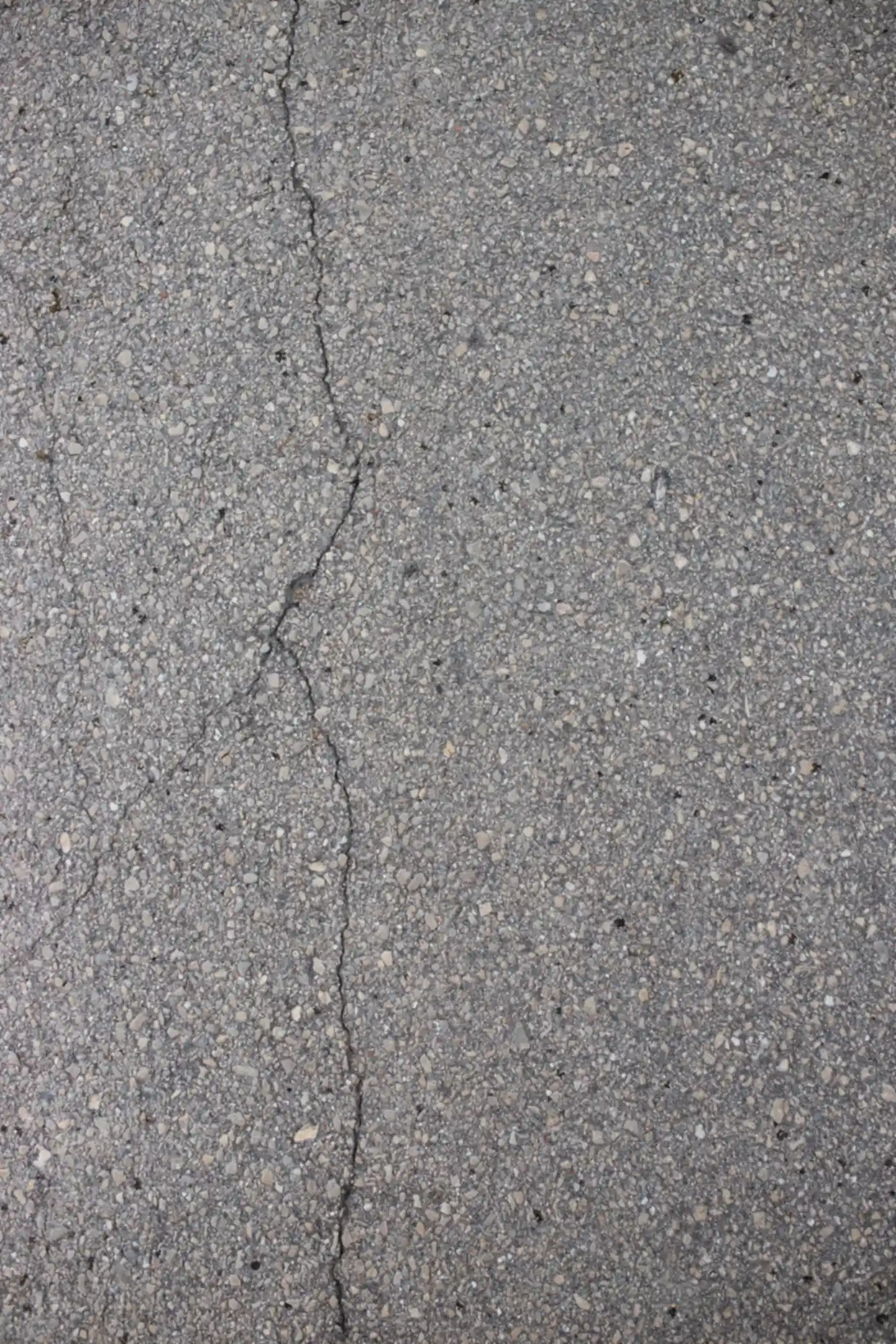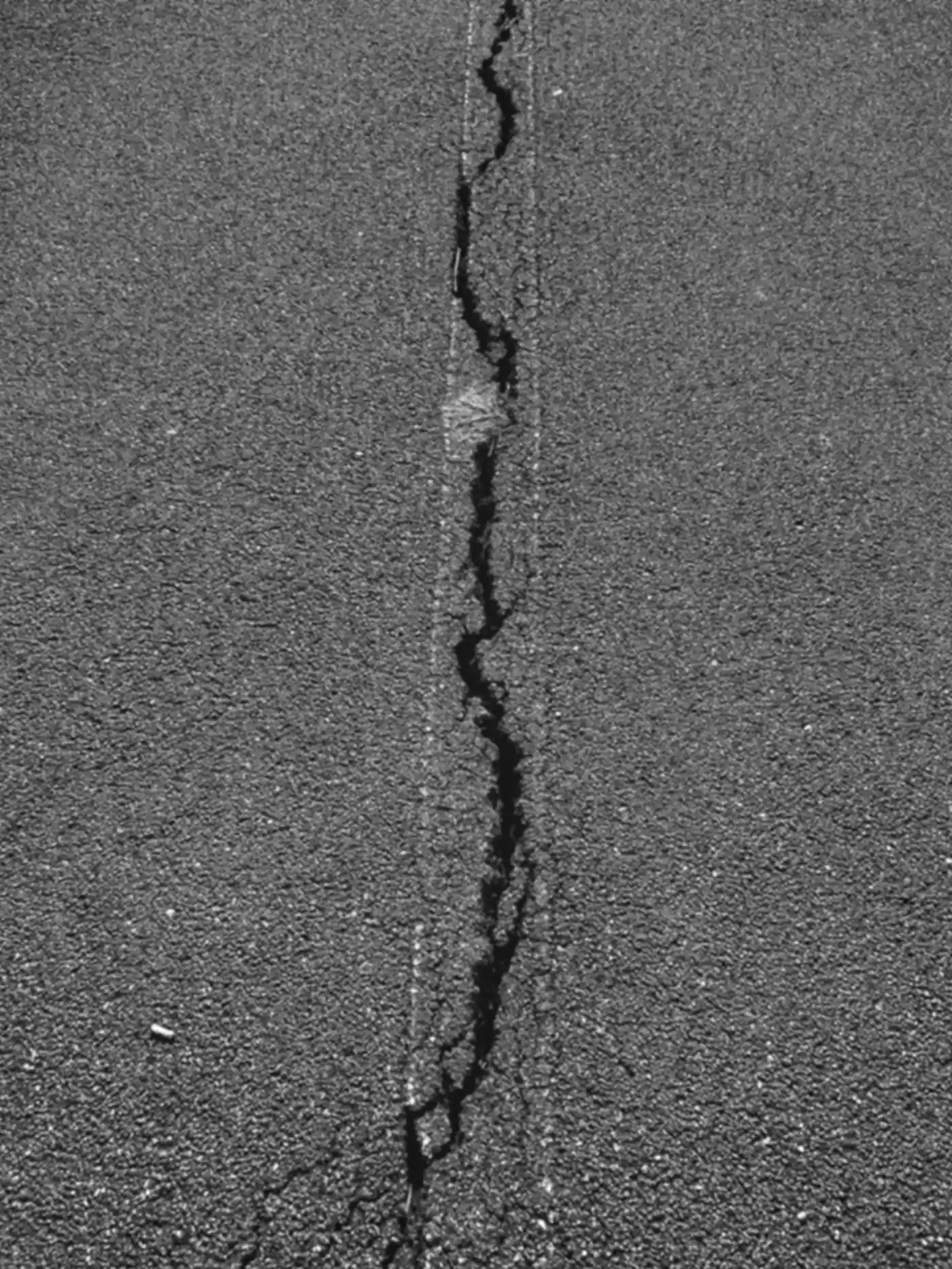
If you manage a commercial property, an HOA, or a business with a parking lot in Las Vegas, cracks are part of the landscape. You see them along curb lines, around light pole bases, in drive aisles, and at every spot where delivery trucks turn. Most of the time they don't look urgent. That's exactly why they get ignored.
But in a parking lot, cracks aren't just a maintenance item. They're the start of potholes, trip hazards, tenant complaints, and eventually a far bigger repaving bill. Here's what's happening inside those cracks, why Las Vegas speeds it up, and how proper crack repair keeps your lot in service.
Why Parking Lots Crack Faster Than Driveways
A residential driveway sees a couple of cars a day. A commercial lot sees hundreds or thousands of vehicles, plus delivery vans, trash trucks, and service vehicles. Every vehicle flexes the pavement a tiny bit. Add desert conditions and the stress multiplies:
- UV and heat dry out the asphalt binder, making the surface brittle.
- Thermal cycling expands the pavement on hot afternoons and contracts it at night, over and over.
- Turning traffic twists the surface in drive aisles and at entrances.
- Heavy vehicles concentrate load on dumpster pads, loading zones, and fire lanes.
Cracks show up first in the places that take the most abuse. If you want to see where your lot will fail next, look at where your cracks are now.
What Happens After a Crack Opens
An open crack is a channel straight to the base. In Las Vegas, water doesn't trickle in gently. Monsoon storms dump a lot of rain in a short time, and parking lots collect and channel that water across large areas. It runs right into every open crack.
Once water reaches the aggregate base under the asphalt, the base loses strength. Traffic keeps flexing the surface over that soft area. The cracks multiply into alligator cracking, pieces break loose, and a pothole forms. In a busy lot, that progression moves fast.
We cover the pothole side of this in why pothole repairs fail in Las Vegas.
The Liability Side of Cracks
For a commercial property, damaged pavement isn't only an expense. It's a risk.
- Wide cracks and broken edges catch heels, wheels, and walkers.
- Potholes damage tires and rims, and customers notice.
- Raised or crumbling areas near entrances and accessible stalls create real hazards.
- A neglected lot gives tenants, guests, and customers a bad first impression.
Sealing cracks while they're small is one of the simplest ways to reduce those risks across the whole property.
How Professional Parking Lot Crack Repair Works
Commercial crack sealing is straightforward when it's done correctly:
- Assess the lot. We map out where the cracks are, how wide they are, and whether any areas have moved past crack sealing into base failure.
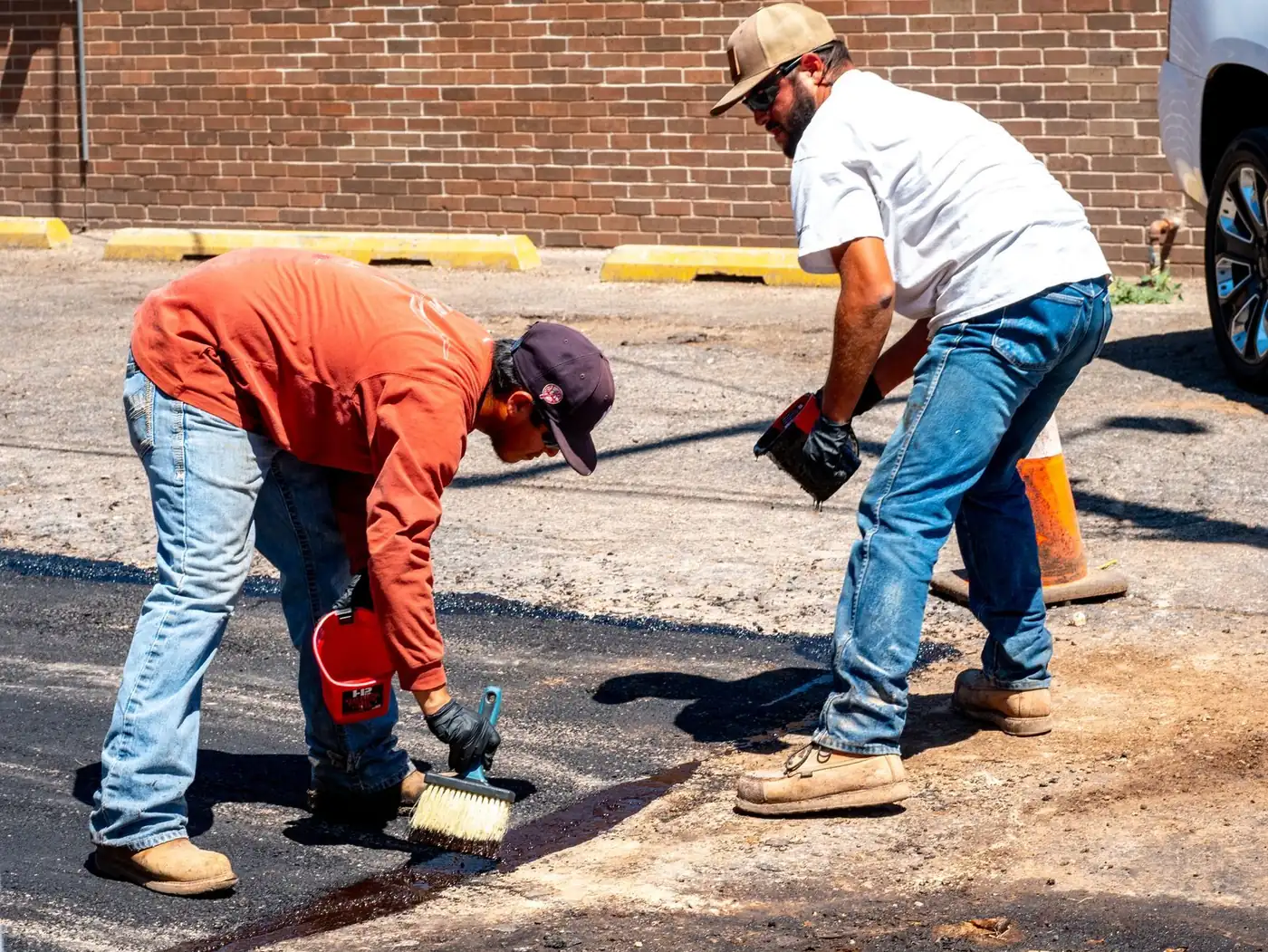
- Clean the cracks. Compressed air blows out dirt, sand, debris, and loose material so the sealant bonds to solid crack walls.
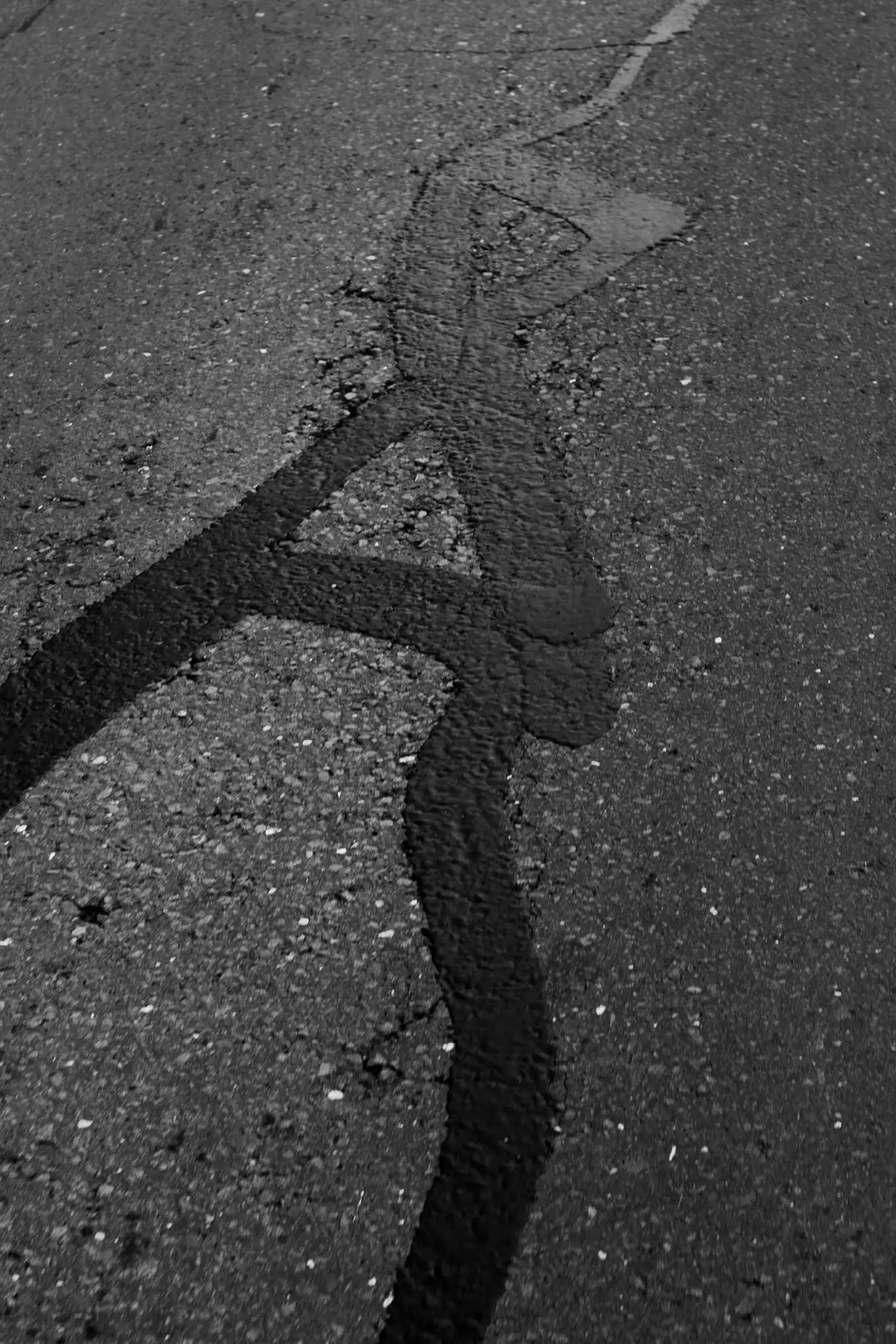
- Apply hot rubberized crack sealant. The sealant goes in hot and fills the crack, creating a flexible, watertight barrier.
- Address failed areas separately. Spots with alligator cracking or potholes get cut out, the base repaired if needed, and fresh asphalt compacted in place.
- Protect the surface. In most cases, we follow crack repair with sealcoating and restriping so the lot is protected and reopens looking sharp.
Hot rubberized sealant matters in Las Vegas because it stays flexible. Cheaper fillers harden and pull away from crack walls as the pavement expands and contracts. Once they separate, water gets right back in.
When to Schedule Crack Repair
The short answer is: when the cracks are still small. The longer answer for Las Vegas:
- Before monsoon season. Getting cracks sealed before summer storms keeps that first burst of water out of the base.
- In the fall. After a summer of heat, cracks are often at their widest and easiest to fill completely. Sealing them before the colder nights of winter prevents more widening.
- In winter. Unlike colder parts of the country, Las Vegas lets us do crack repair year-round. Our article on why winter is a great time for crack repair explains why.
Any season beats waiting.
Working Around Your Business
The biggest concern we hear from property managers is downtime. A lot that's closed is a lot that isn't earning. Crack sealing is one of the least disruptive pavement services there is. It can often be done in sections, so most of the lot stays open while each area is treated.
When crack repair is paired with sealcoating and striping, we plan the full job with you ahead of time. Larger lots can be sequenced in sections, and we give you clear timing to share with tenants, residents, or customers.
Crack Repair Versus Repaving: The Budget Math
Crack sealing a commercial lot costs a small fraction of repaving it. That's not an exaggeration for effect. It's the reason every pavement maintenance program in the country starts with crack sealing.
Every crack you seal is a crack that won't turn into a pothole this year. Every pothole you prevent is a repair you don't pay for. And every year you add to the life of the pavement pushes the big repaving expense further out. Properly installed and maintained asphalt lasts 15 to 20 years. Lots that skip crack sealing in this climate rarely make it that far.
For the bigger picture on commercial pavement spending, see is sealcoating worth the cost for commercial parking lots.
Where to Look First on Your Lot
If you want a quick sense of your lot's condition, walk these spots: entrances and exits where traffic turns, the area around dumpster enclosures, fire lanes where heavy trucks stop, curb lines and gutter pans where water collects, and the bases of light poles. Cracks in those places almost always show up first and grow fastest.
Questions Property Managers Ask
How long does crack sealing take on a commercial lot?
It depends on the size of the lot and the amount of cracking. Many lots can be done in a day or less, often in sections so the property stays open.
How soon can traffic drive over sealed cracks?
Hot rubberized sealant sets up quickly. We'll give you specific guidance for your job, especially if sealcoating follows.
Will crack sealing fix alligator cracking?
No. Alligator cracking means the base under that area has weakened. Those areas need to be cut out and repaired, not just sealed.
Should we sealcoat after crack repair?
In most cases, yes. The same UV, heat, and water that caused the cracks are still working on the rest of the lot. Sealcoating after crack repair protects the whole surface.
How often should a commercial lot get crack sealing?
Inspect at least once a year and seal new cracks as they appear. Many properties pair crack sealing with a sealcoat every 2 to 3 years, or more often for high-traffic lots.
Get Your Lot Assessed
Seal It Up! Asphalt & Sealcoating works with HOAs, property managers, retail centers, casinos, resorts, and industrial properties across Las Vegas, Henderson, Summerlin, North Las Vegas, Boulder City, Pahrump, Paradise, and Spring Valley. We'll walk your lot, show you where the cracks are headed, and give you a straight plan to stop them.
Call 702-915-6591 or request a free estimate. Learn more about our crack and pothole repair service.
Get a straight answer on your pavement
Call 702‑915‑6591 or request a free estimate. We serve Las Vegas, Henderson, Summerlin, North Las Vegas, Boulder City, Pahrump, Paradise, and Spring Valley. Learn more about our crack & pothole repair service.