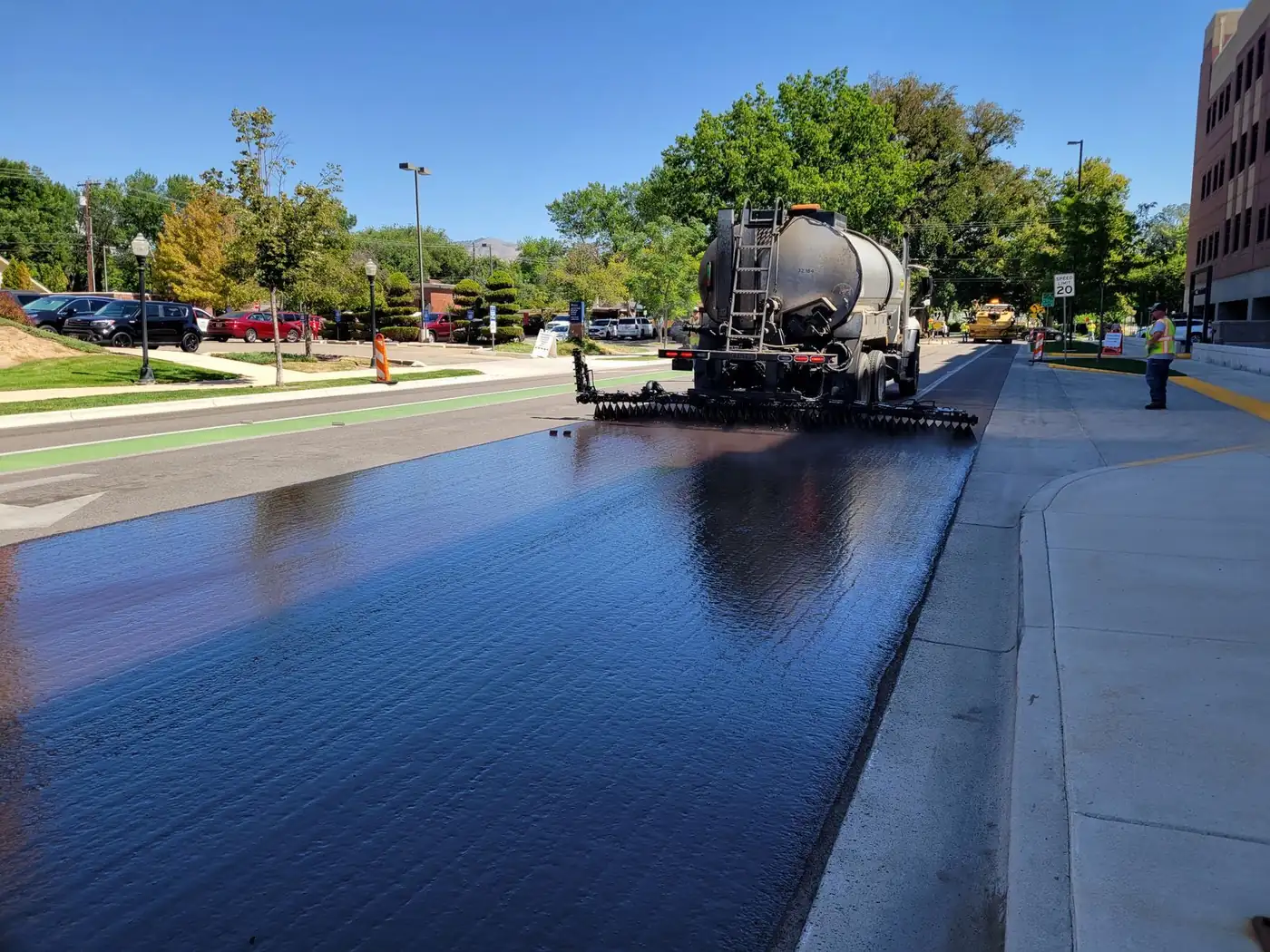
Driveways · HOA lots · Commercial parking
Sealcoating in Las Vegas, NV
Sunscreen for your pavement. Our UV-resistant sealcoat is formulated for desert heat, so your driveway or lot stays black, flexible, and watertight instead of fading to gray and cracking apart.
Why Las Vegas asphalt goes gray so fast
Asphalt is rock held together by a petroleum binder. That binder is what keeps the surface dark, flexible, and waterproof. In Las Vegas, the binder is under attack every single day: intense UV light breaks it down, summer surface temperatures bake it dry, and the swing from hot afternoons to cool nights makes the pavement expand and contract over and over.
Once the binder dries out, the surface oxidizes. You see it as the color shift from deep black to charcoal to chalky gray. Loose stones start showing up on the surface. Then hairline cracks appear, usually along edges and at the joints where slabs meet concrete. When a monsoon storm rolls through, water runs into those cracks and softens the base underneath. That's how a driveway goes from faded to failing.
Sealcoating stops that cycle at the start. A fresh coat puts a new protective layer over the binder, blocks UV, sheds water, and resists oil and gas spills. It's the single cheapest thing you can do to make asphalt last.
What our sealcoating service includes
- A walk-through and free estimate with a straight answer on whether sealcoat alone will do the job
- Cleaning the surface: sweeping, blowing out debris, and treating oil spots so the sealer bonds
- Hot rubberized crack sealing on open cracks before we coat
- Pothole and failed-spot patching where the surface has broken down
- UV-resistant sealant formulated specifically for desert conditions
- Even application by squeegee and spray, including edges and transitions
- Barricades and clear guidance on when you can walk and drive on it
- Restriping of stalls, arrows, and fire lanes on commercial and HOA lots
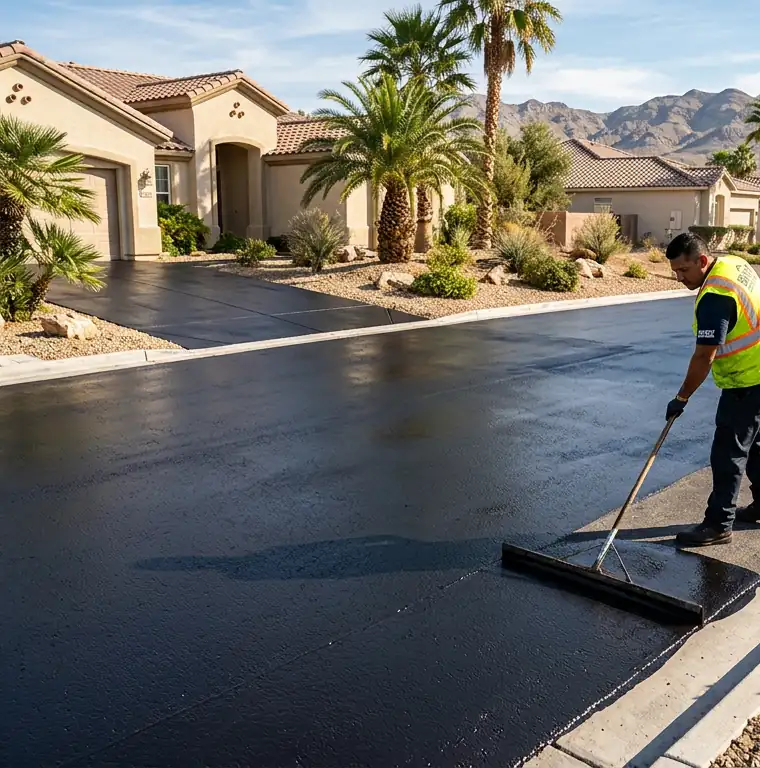
The difference
Desert-formulated, not borrowed from milder climates
A lot of sealer on the market is made for places where the biggest threats are snow and road salt. Those products don't hold up to a Southern Nevada July. We use specialized UV-resistant sealants and materials formulated for desert conditions, because that's what actually keeps a Las Vegas surface from graying out in a couple of summers.
We recommend resealing every 2 to 3 years for most driveways and lots. High-traffic commercial lots, drive-thru lanes, and areas with tight turning traffic wear through the coating faster and often need it more often. We'll tell you which category your pavement falls into.
How it works
Our sealcoating process
-
Inspect and quote
We look at the surface, the cracks, and the drainage, then give you a free estimate and a plain explanation of what's needed.
-
Clean and repair
Sweep, blow, and edge the surface. Seal cracks with hot rubberized sealant and patch failed areas first.
-
Apply the sealcoat
A residential driveway usually takes a few hours. A commercial lot usually takes about a day.
-
Cure and reopen
Stay off it for 24 to 48 hours. Then we restripe commercial and HOA lots so they're ready to use.
How long sealcoating takes and when you can use it
Most residential driveways are sealed in a few hours. A typical commercial lot takes about a day, and we can plan larger lots in sections so part of the property stays open. After the final coat, give it 24 to 48 hours before vehicle traffic. Heat helps the sealer cure, which is one advantage of working in the desert, but driving on it too early leaves tire marks and scuffs that don't come out.
For HOAs and businesses, we talk through the schedule with you before the job starts, so residents, tenants, and customers know which areas close and when.
FAQ
Sealcoating questions, answered
How often should I sealcoat my driveway in Las Vegas?
Every 2 to 3 years for most driveways. Desert UV and heat break down sealant faster than in milder climates, so waiting much longer lets the asphalt start oxidizing again.
How long does sealcoat need to dry?
Plan on 24 to 48 hours before driving on it. Foot traffic is usually fine much sooner. We'll give you specific timing for your job and the weather that week.
Can you sealcoat over cracks?
Sealcoat alone does not fix cracks. We clean open cracks and fill them with hot rubberized crack sealant first, then sealcoat over the whole surface. Skipping that step just paints over the problem.
Will sealcoating fix a driveway that is already crumbling?
No. If the base has failed and the surface is breaking into pieces, the area needs patching or full repaving first. We'll tell you honestly when sealcoat won't help.
Is sealcoating worth the money?
Yes, when the asphalt is still structurally sound. It costs a fraction of repaving and helps asphalt reach its full 15 to 20 year life instead of failing years early in the desert sun.
Where we work
Sealcoating across the Las Vegas Valley
We bring the same desert-formulated materials and straight answers to every community we serve.
-
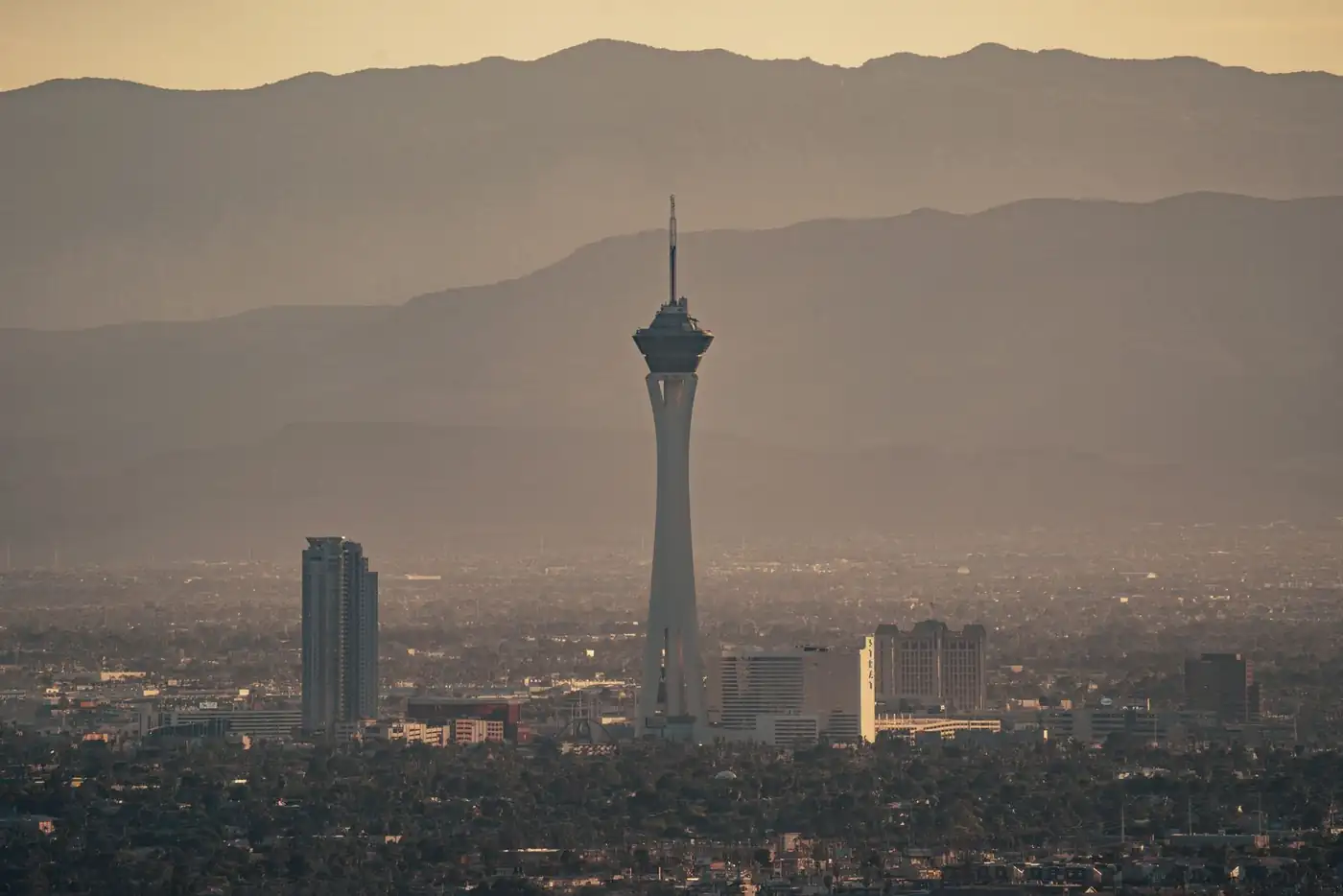
Las Vegas
Older neighborhoods, busy commercial corridors, and driveways that have baked through decades of summers.
Paving in Las Vegas -
Henderson
Master-planned communities, hillside driveways, and HOA lots that need predictable maintenance cycles.
Paving in Henderson -
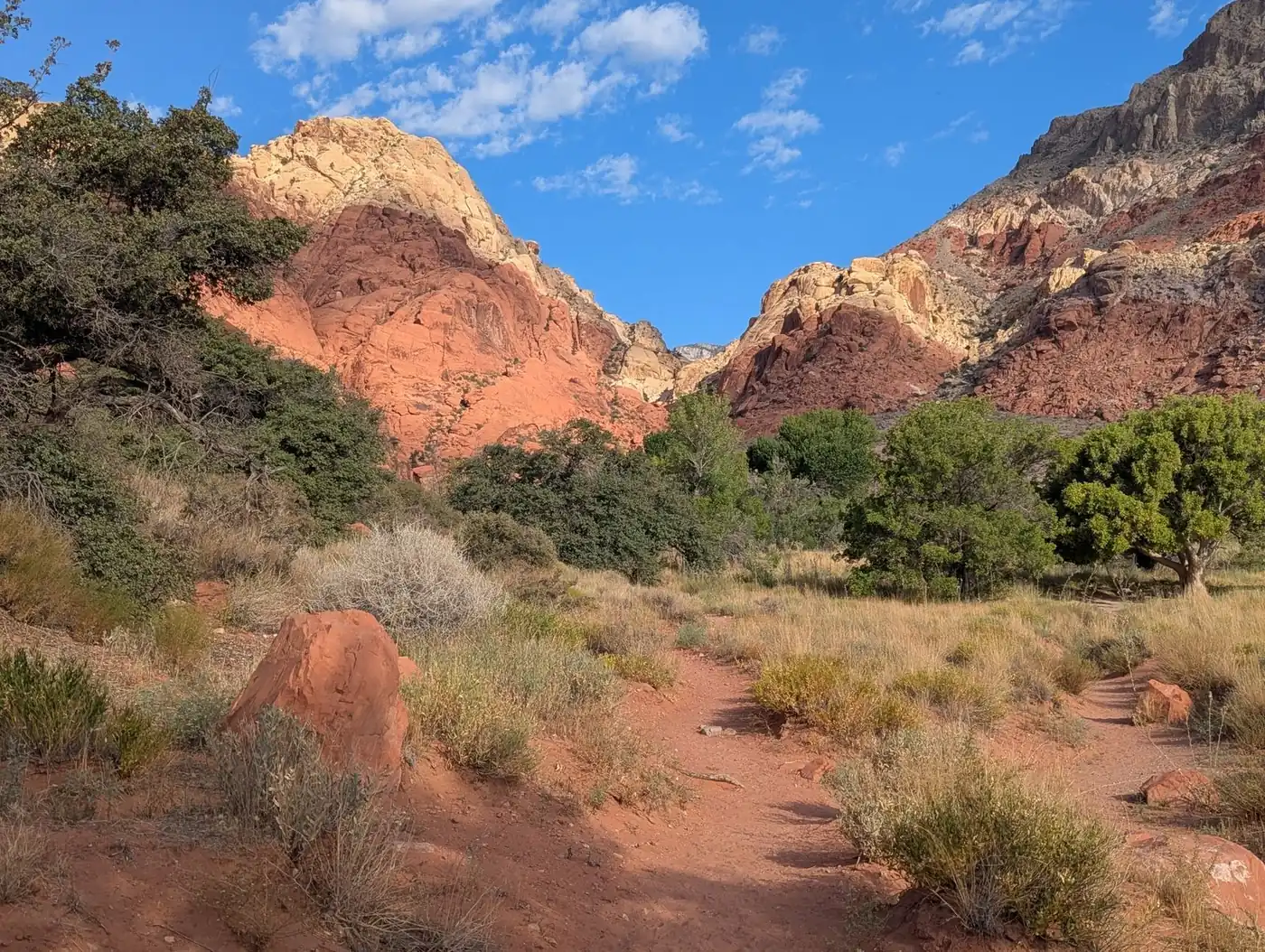
Summerlin
HOA streets, village retail centers, and bigger day-to-night temperature swings at the edge of Red Rock.
Paving in Summerlin -
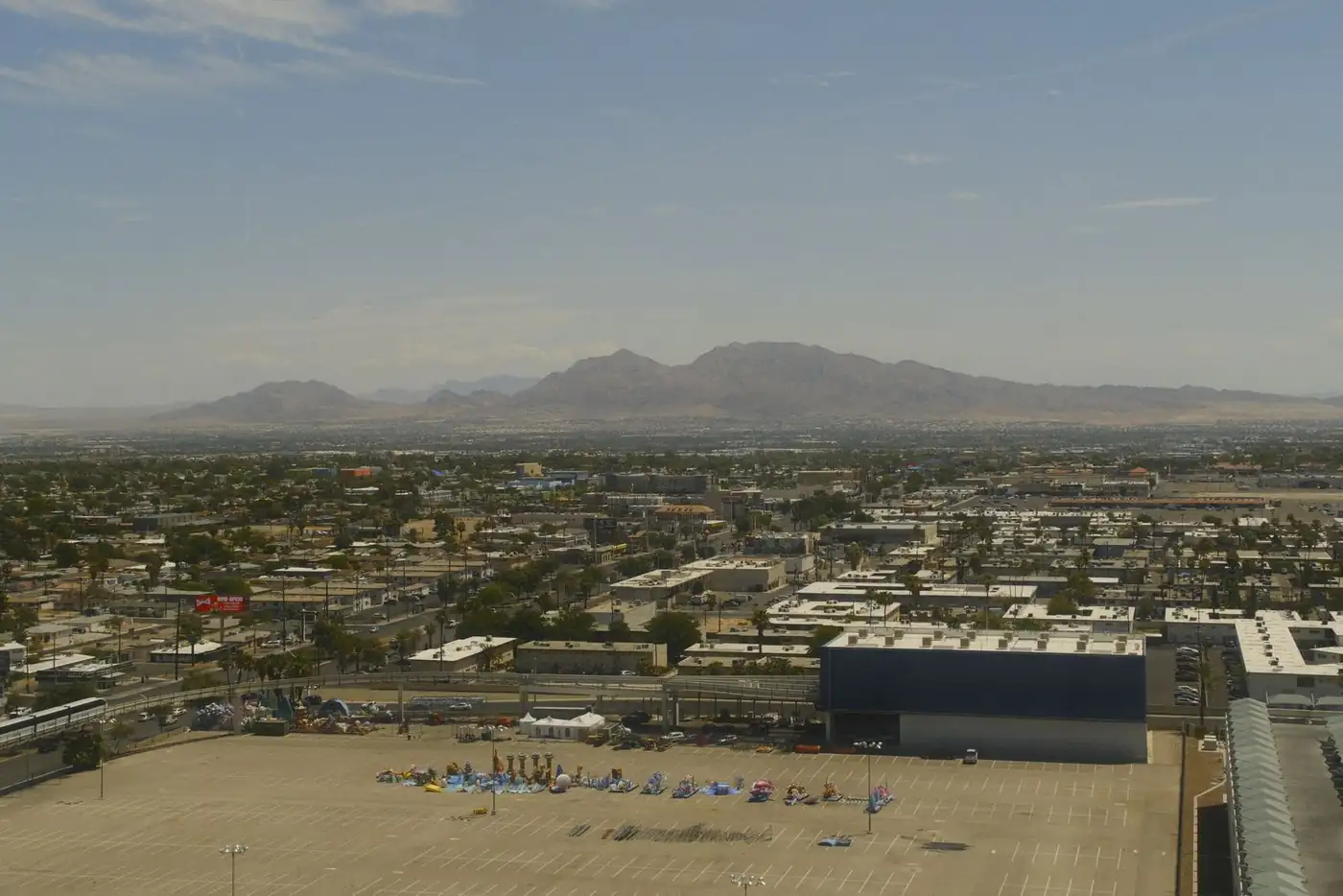
North Las Vegas
Warehouses, logistics yards, and fast-growing neighborhoods where heavy trucks punish every weak spot.
Paving in North Las Vegas -
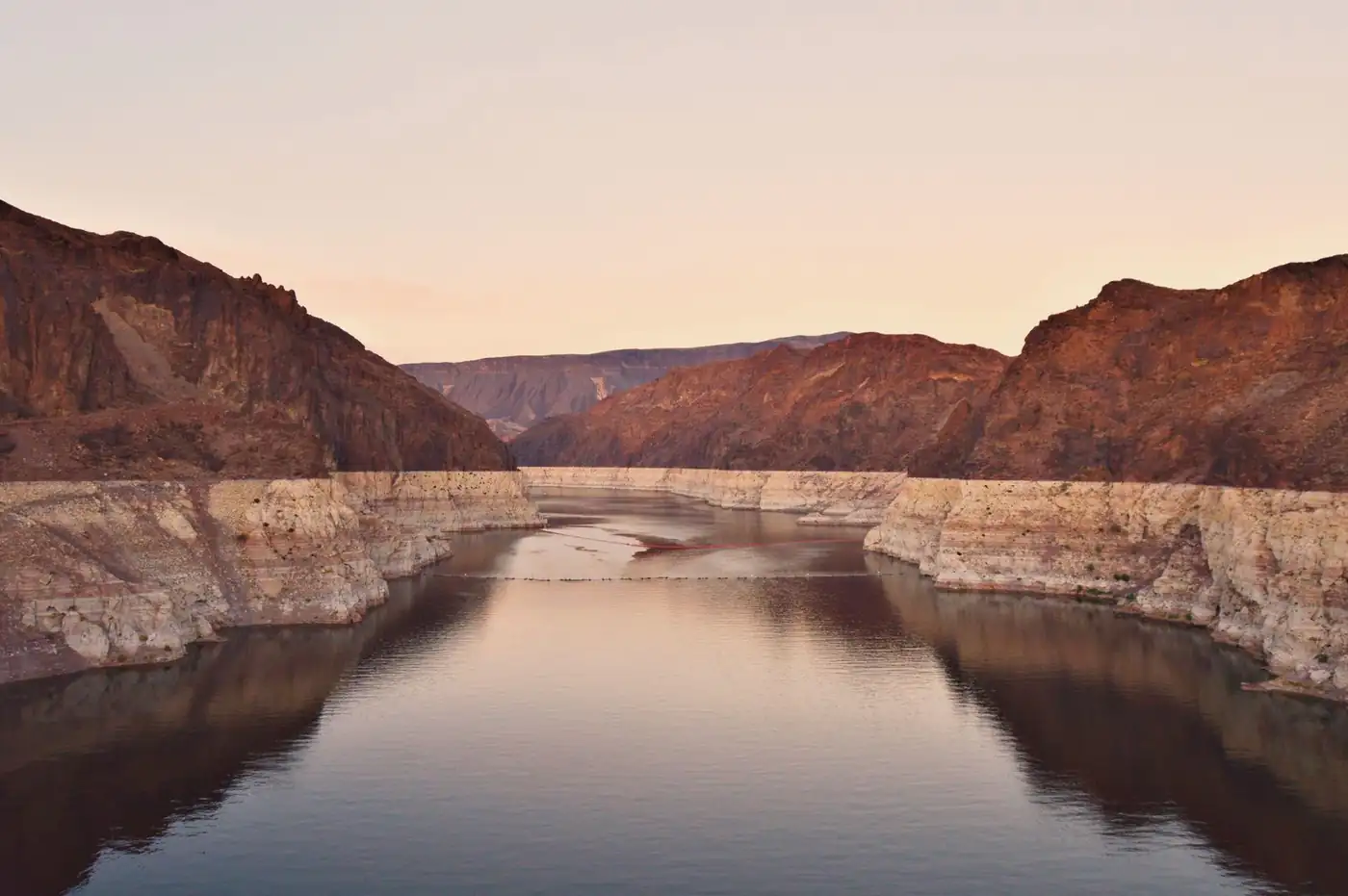
Boulder City
Established homes, small businesses, and long driveways near Lake Mead and the Hoover Dam corridor.
Paving in Boulder City -
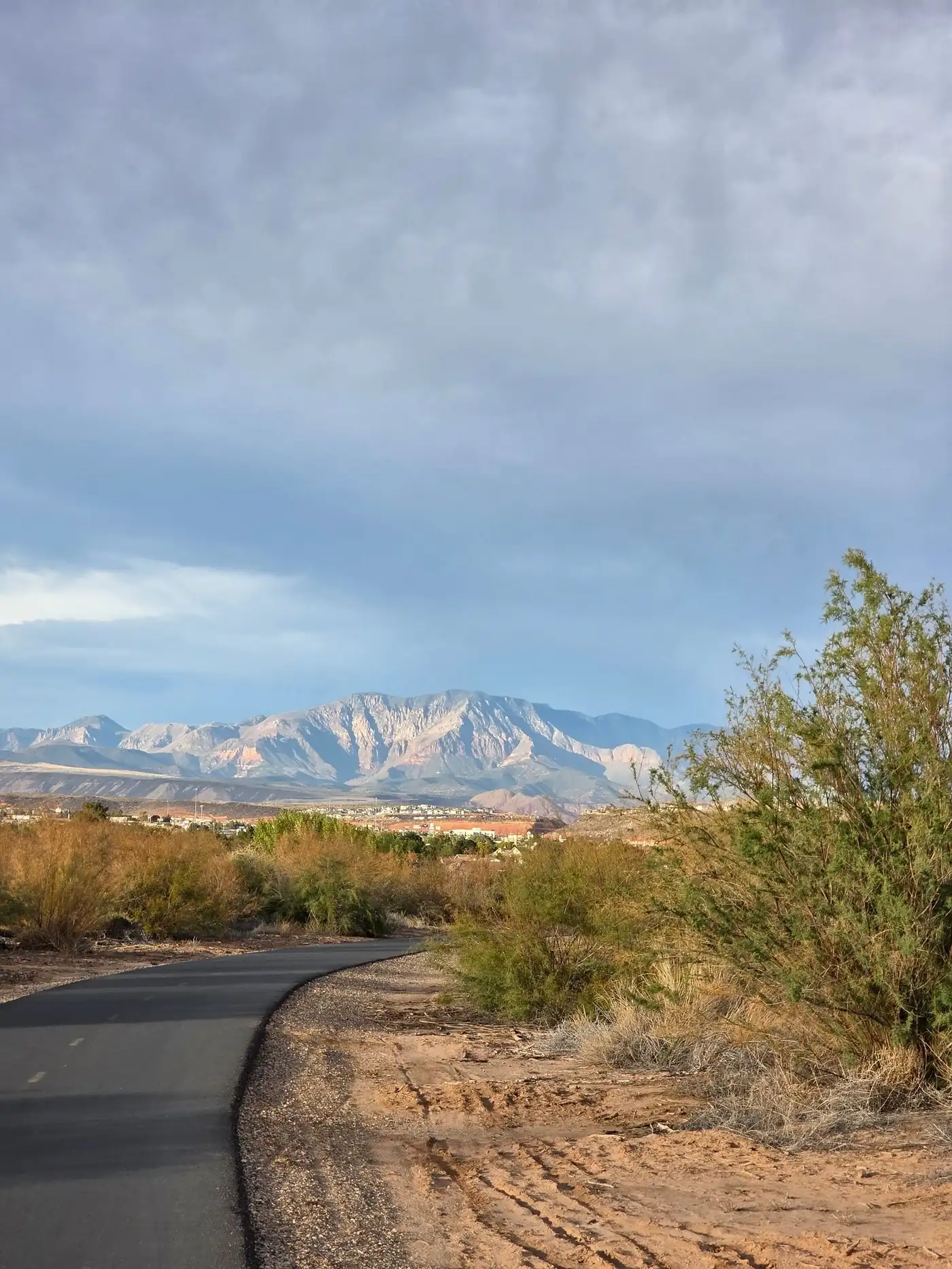
Pahrump
Rural acreage, long private drives, and wide-open lots over the Spring Mountains where chip seal shines.
Paving in Pahrump -

Paradise
Casinos, resorts, and around-the-clock commercial lots near the Strip and Harry Reid International Airport.
Paving in Paradise -
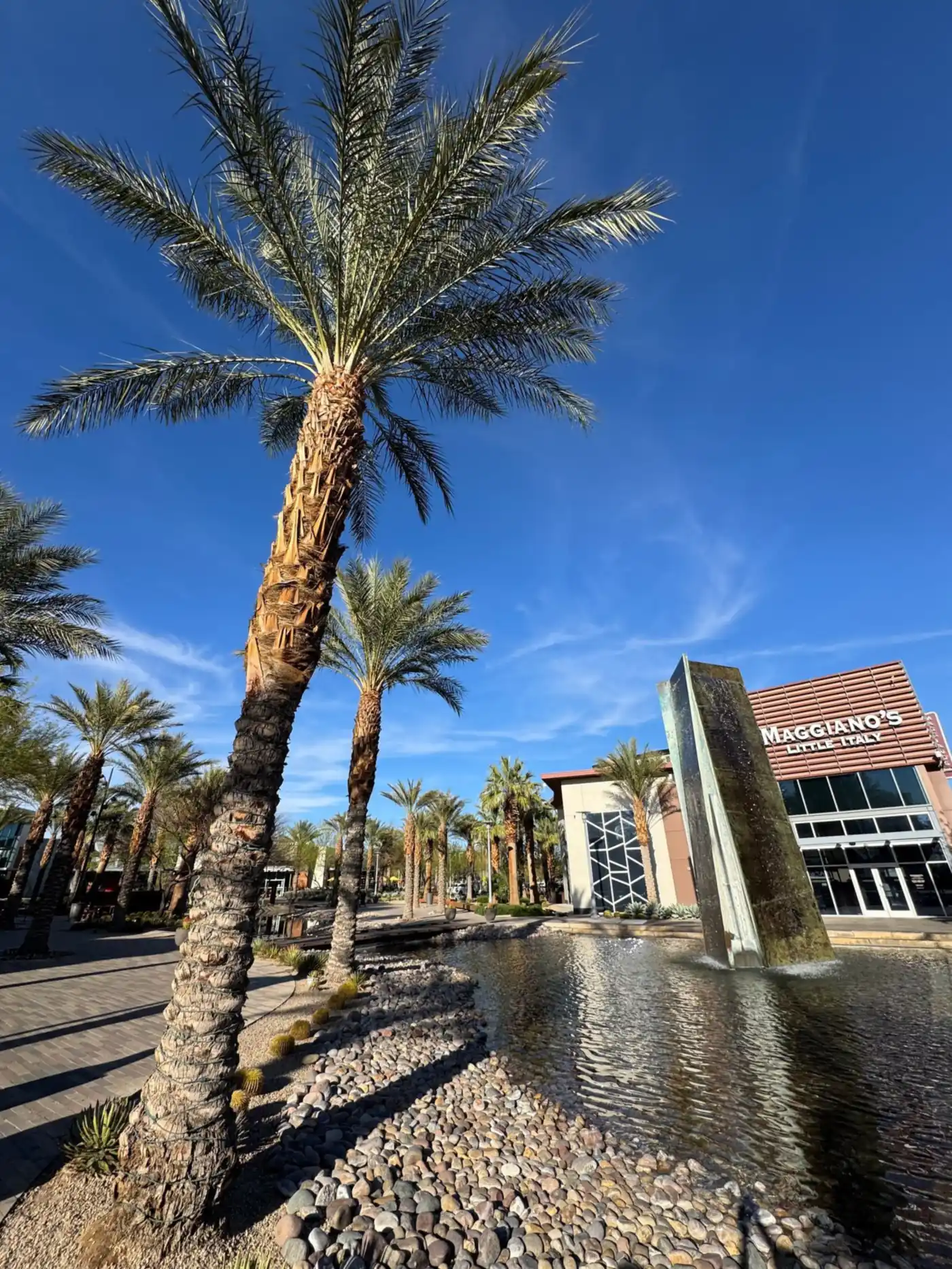
Spring Valley
Dense apartment communities, townhome HOAs, and retail centers on the west side of the valley.
Paving in Spring Valley
Learn more
Sealcoating guides
-
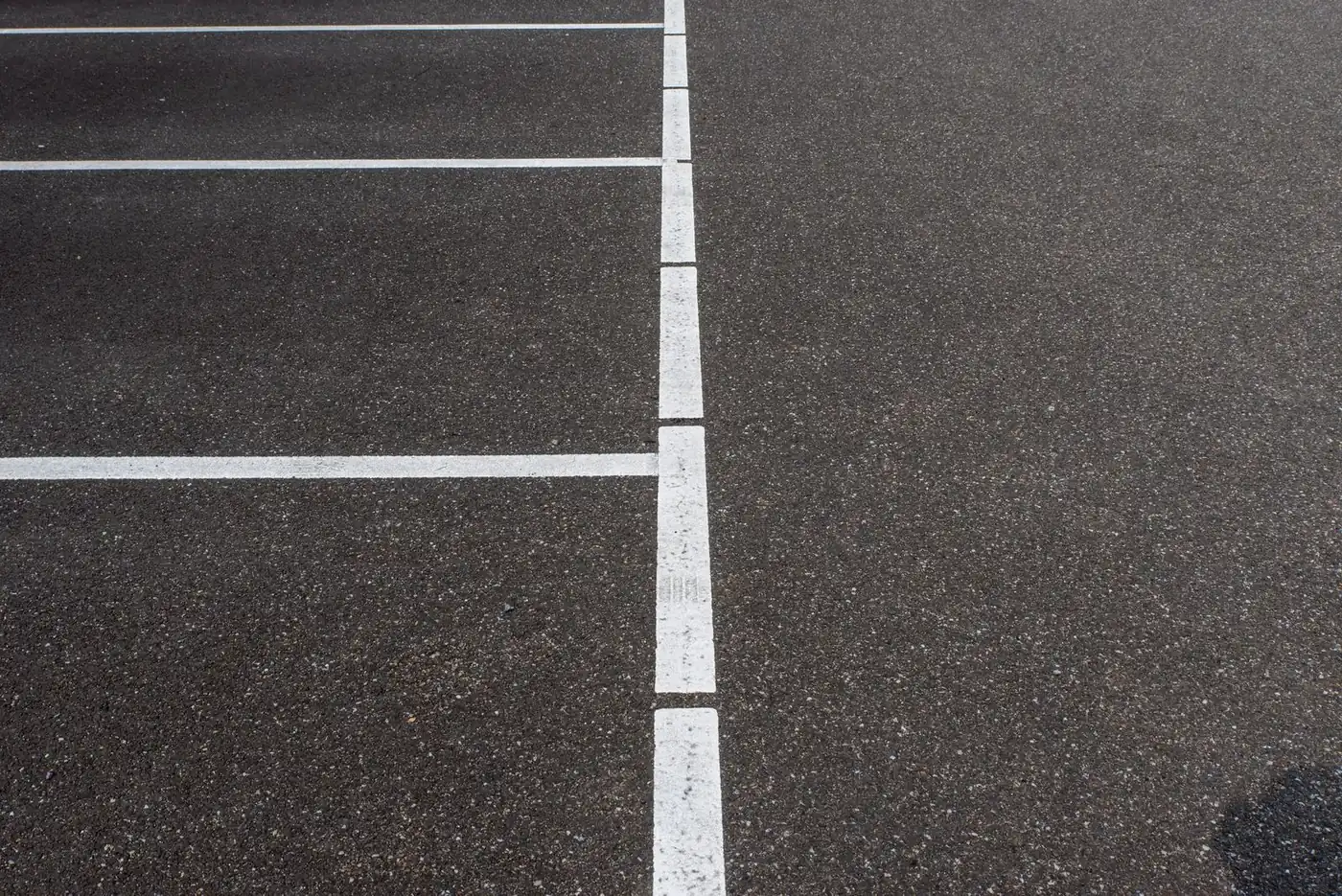
How Long Does Sealcoating Really Last in Las Vegas?
The short answer: in Las Vegas, plan on resealing every 2 to 3 years for most driveways and parking lots, and more often for high-traffic commercial areas.
Read the article -
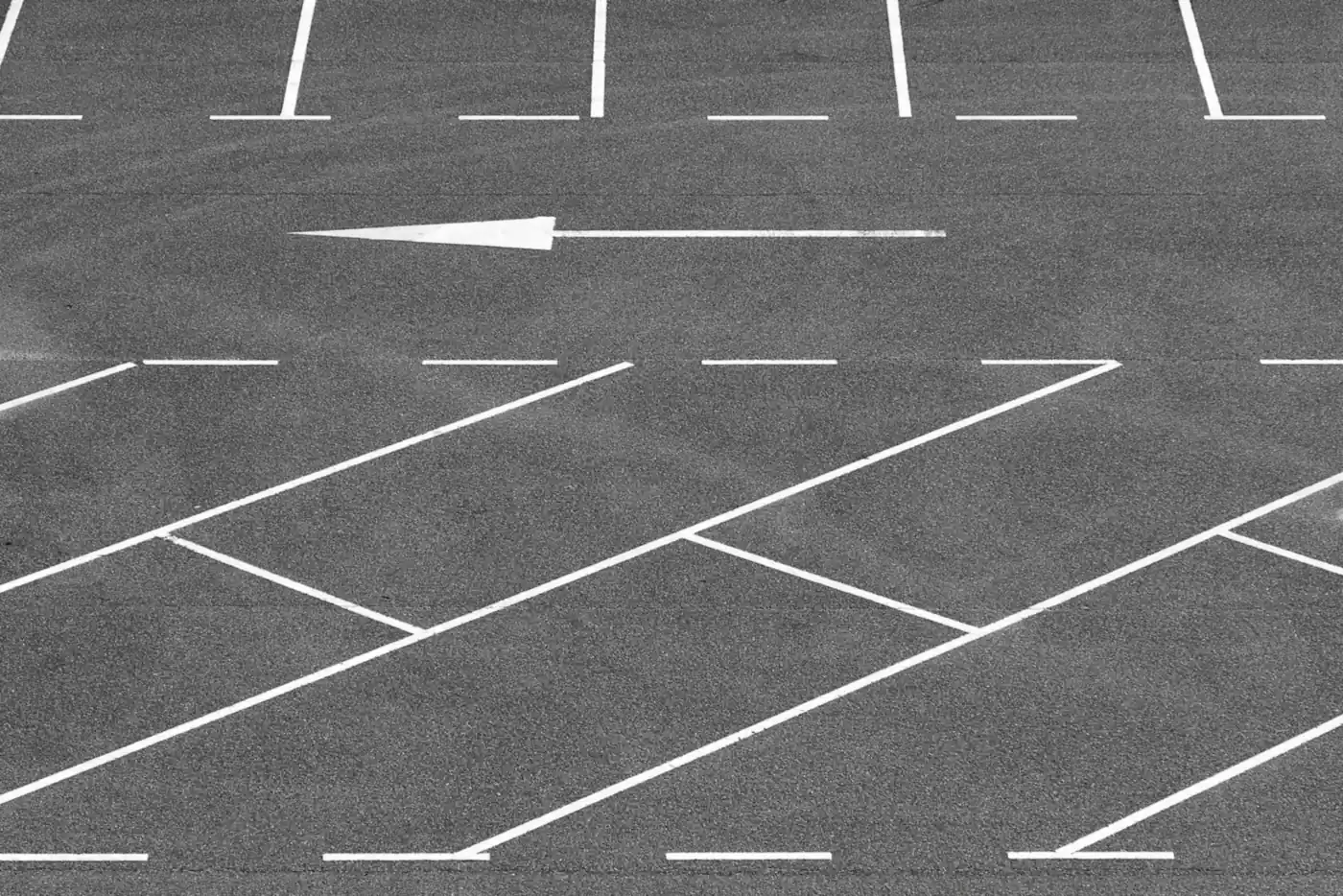
How Much Does Sealcoating Cost in Las Vegas?
It's the first question almost everyone asks, and it's a fair one. You want to know whether you're looking at a small expense or a big one before you pick up the phone.
Read the article -
Professional Sealcoating vs. DIY in Las Vegas: An Honest Comparison
Every spring, home improvement stores across the valley stack buckets of driveway sealer by the door. The pitch is simple: a squeegee, a weekend, and your gray...
Read the article
Other services
More ways we protect your pavement
-
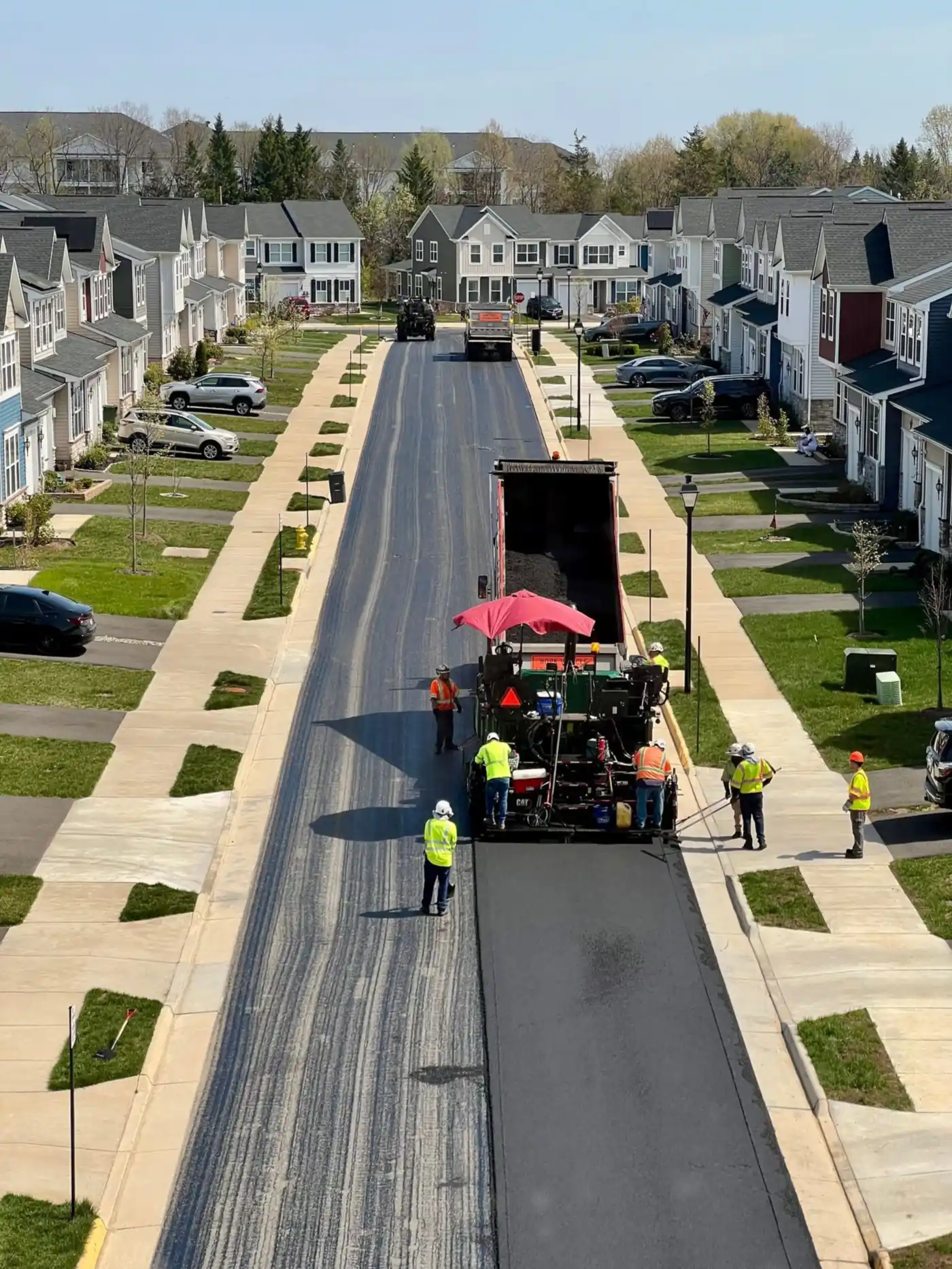
Asphalt Paving
New driveways, parking lots, and full replacements built on a graded, compacted base that lasts 15 to 20 years.
See asphalt paving -
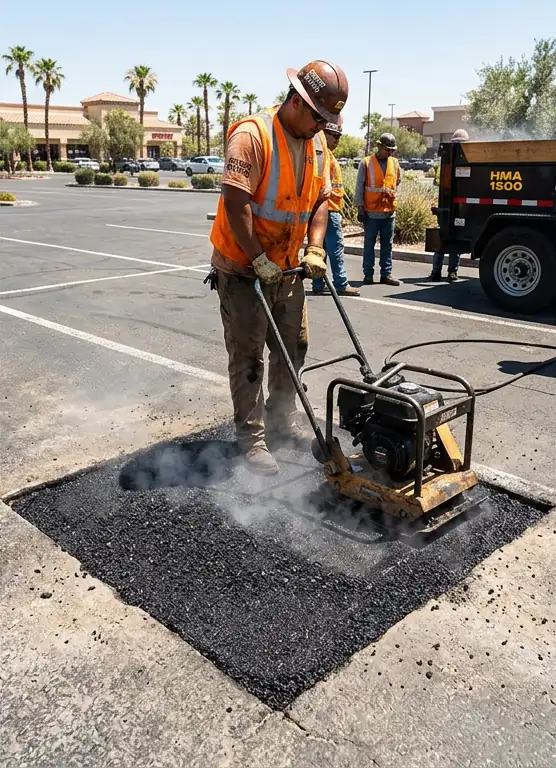
Crack & Pothole Repair
Hot rubberized crack sealing and full-depth pothole patching that stops water before it reaches the base.
See crack & pothole repair -
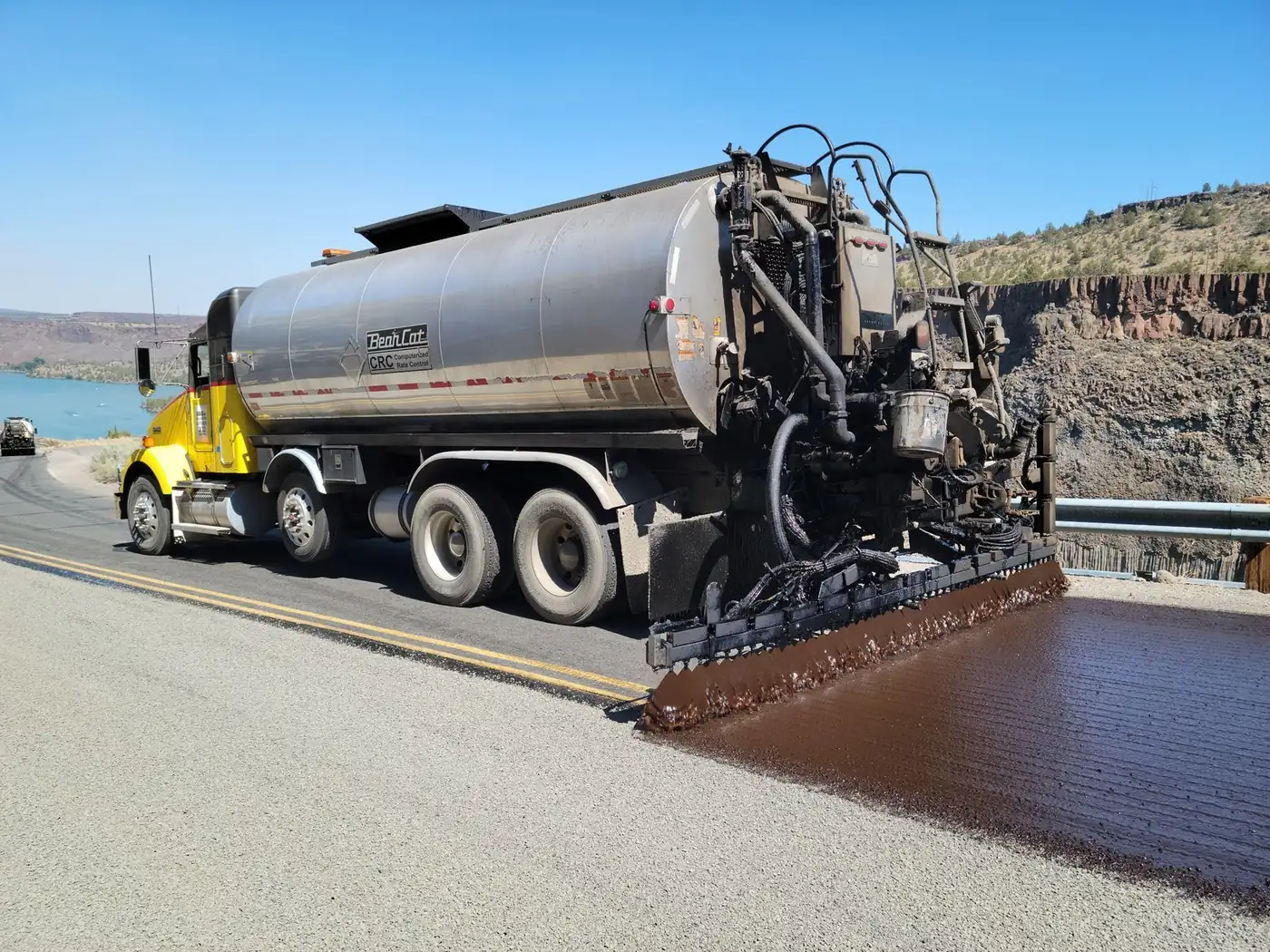
Chip Seal Paving
A tough, textured surface treatment for long rural driveways, private roads, and low-traffic lots.
See chip seal paving -
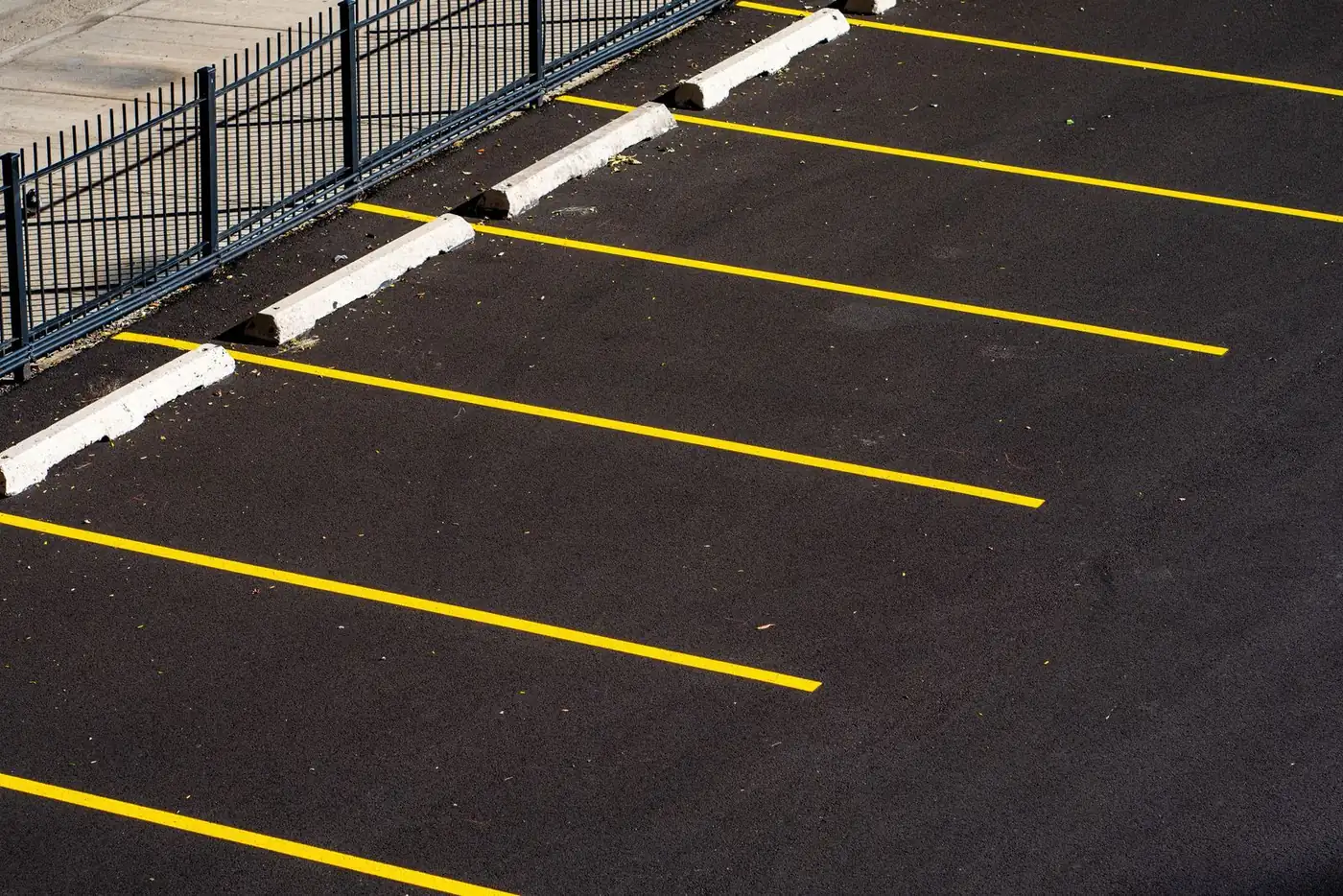
Line Striping & Markings
Crisp parking stalls, fire lanes, arrows, and accessible stalls for HOA, retail, and commercial lots.
See line striping & markings
Your pavement is aging right now. Let's look at it.
Call for a free, no-pressure estimate. We walk the surface, tell you what it actually needs, and give you a straight number before any work starts.