In most of the country, winter is the season when pavement work stops. Snow, ice, and freezing temperatures shut down paving crews for months, and property owners get used to the idea that pavement repairs wait until spring.
Las Vegas isn't most of the country. Our winters are mild enough that crack sealing and pothole repair continue year-round. And winter isn't just possible for crack repair here. In a lot of ways, it's one of the smartest times to do it. Here's why.
What Winter Does to Open Cracks
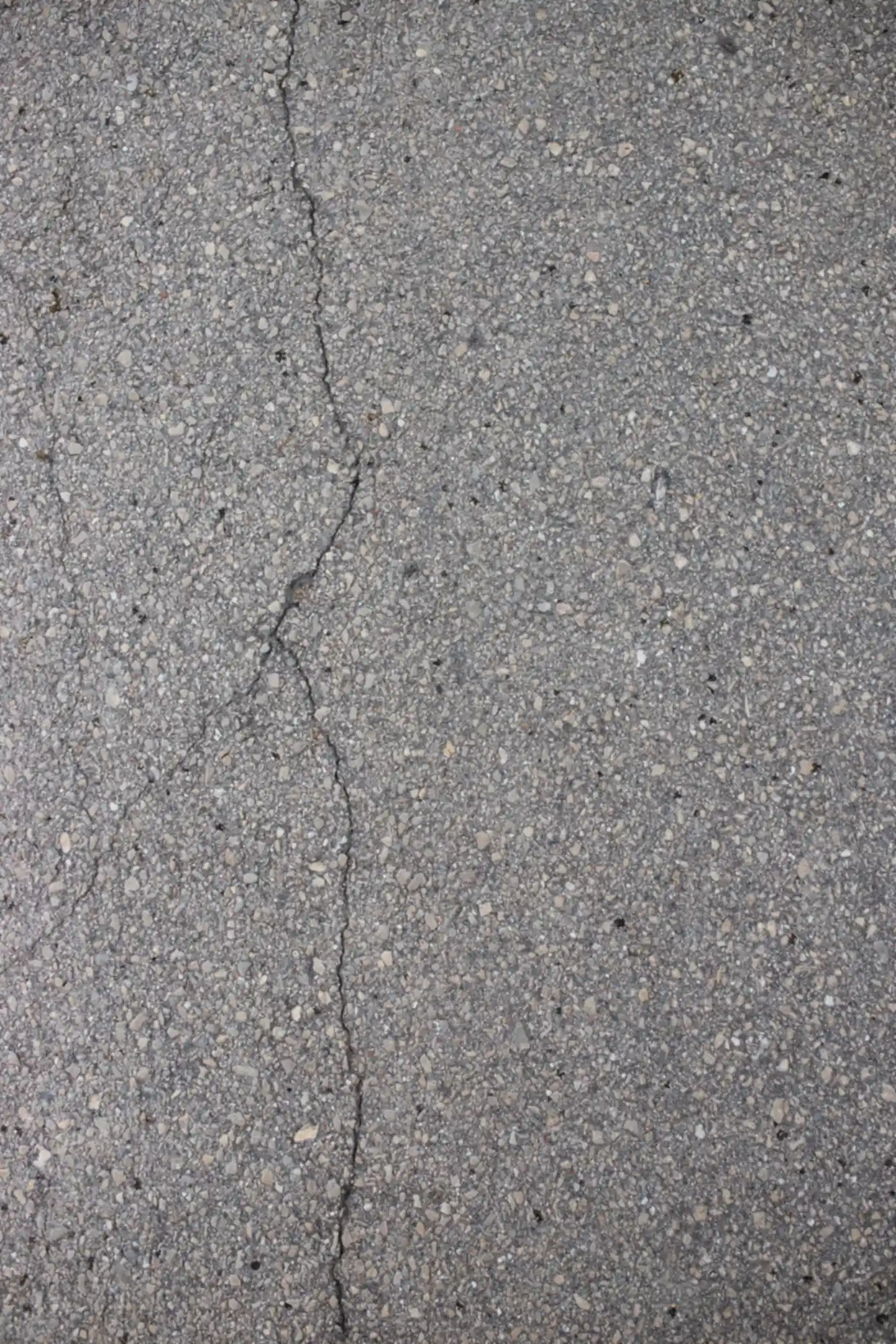
Even without snow, Las Vegas winters are hard on cracked asphalt. The main reason is the gap between daytime and nighttime temperatures. Winter days in the valley can be pleasant, while nights get cold, and in higher areas like Summerlin and Pahrump they get colder still.
Asphalt contracts as it cools and expands as it warms. On cold nights, the pavement shrinks and cracks open wider. On sunny days, it expands again. Every one of those cycles pulls on the crack and works its edges loose. Over a winter, that's a lot of cycles.
On the occasional nights when temperatures dip near or below freezing, any water sitting in a crack can freeze and expand, pushing the crack walls apart even more.
Winter Storms Still Bring Water
Monsoon season gets the headlines, but winter storms bring rain to the valley too. That water runs into open cracks and down to the aggregate base. A wet base loses strength, and the asphalt above it starts to flex and break under traffic. That's how a crack in November becomes a pothole by spring.
We wrote about this progression in detail in what happens to unrepaired cracks over a Las Vegas winter.
Reason 1: Cracks Are Easier to See and Fill
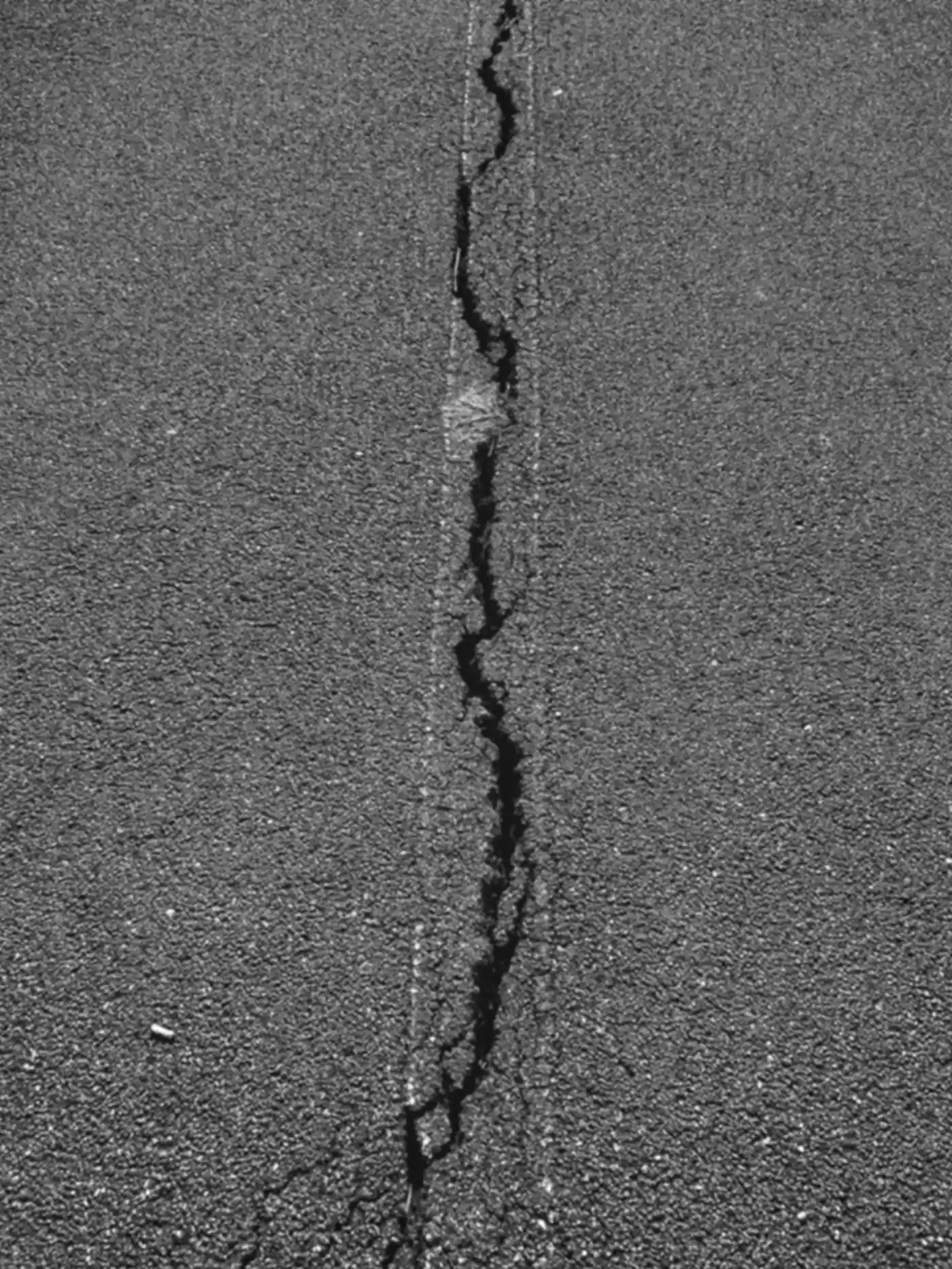
After the summer heat, and as temperatures drop, asphalt contracts and cracks open to their widest. That's exactly when you want to fill them. Sealant placed into a fully open crack fills it completely. As the pavement expands again in warmer weather, the flexible sealant compresses and stays tight against the crack walls.
Fill a crack in the peak of summer, when the pavement is expanded and the crack is at its narrowest, and you put less sealant in. When winter comes and the crack opens up, the seal is under more strain.
Reason 2: You Stop the Damage Before Spring
Every week a crack stays open through winter is another week of temperature cycles and possible water intrusion. Sealing in winter stops that immediately. By the time spring arrives, your pavement has spent the hardest part of the cold season protected instead of deteriorating.
Waiting for spring doesn't improve the repair. It just gives the damage a head start.
Reason 3: Scheduling Is Easier
Spring is one of the busiest times of year for pavement contractors in Las Vegas. Everyone who put off their pavement work all winter calls at once. Booking in winter often means more scheduling flexibility, and your job happens on your timeline rather than whenever the calendar opens up.
Reason 4: Better Timing for Budgets
For HOAs and commercial properties, winter work can line up well with budget cycles. Getting crack sealing done early in the year protects the pavement before the heavier spring and summer seasons, and sets up a sealcoat for spring when conditions are ideal.
Reason 5: Get Ahead of Monsoon Season
The best time to seal cracks is well before the summer monsoon storms arrive. Winter crack sealing makes sure every crack is closed long before those heavy bursts of rain show up. Combined with a spring sealcoat, it gives your pavement the strongest possible defense going into summer.
How Winter Crack Repair Works
The process is the same as any time of year:
- Inspect the pavement, noting crack width, edges, and any signs of base failure.
- Clean cracks out with compressed air so sealant bonds to solid crack walls.
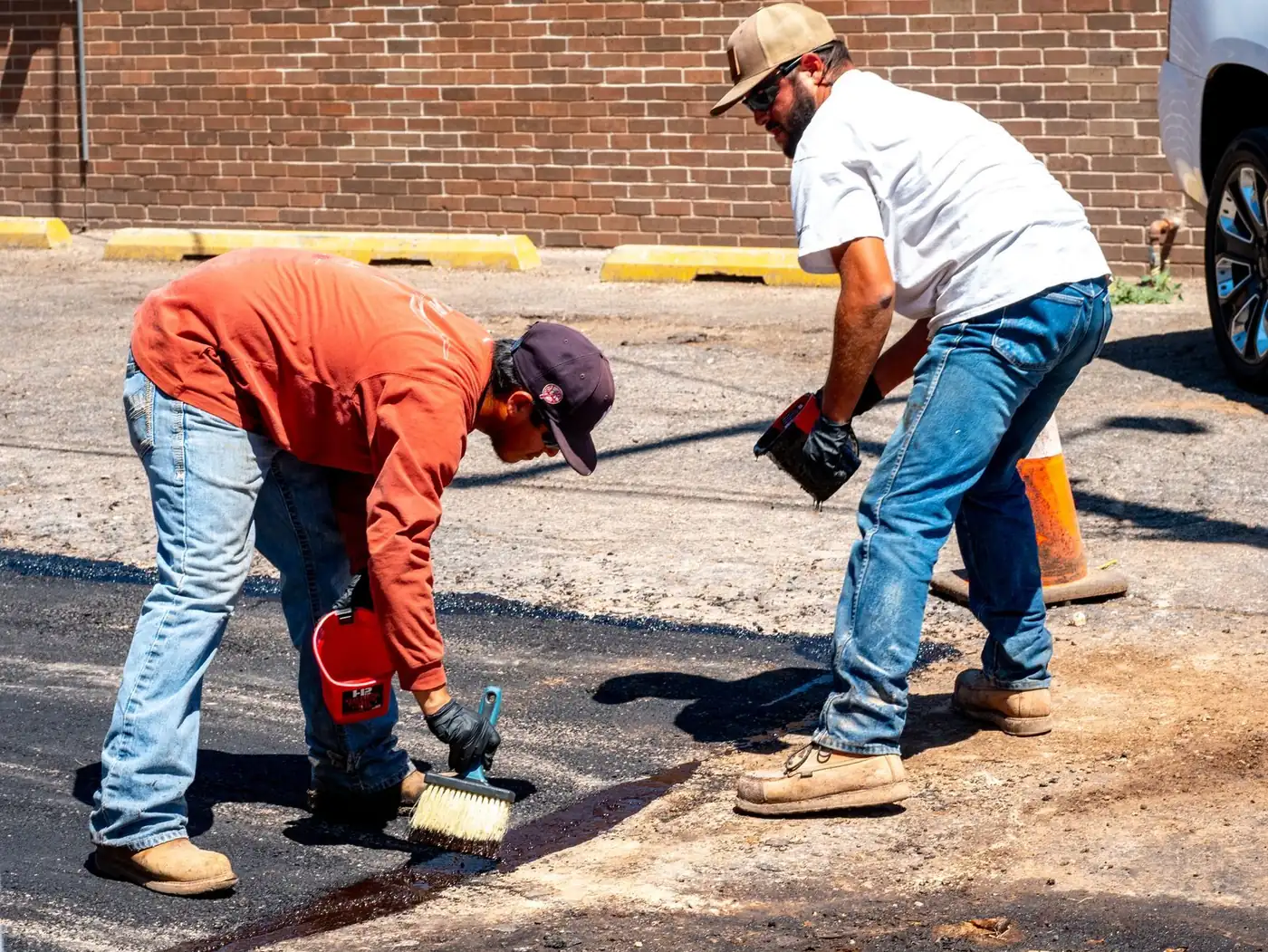
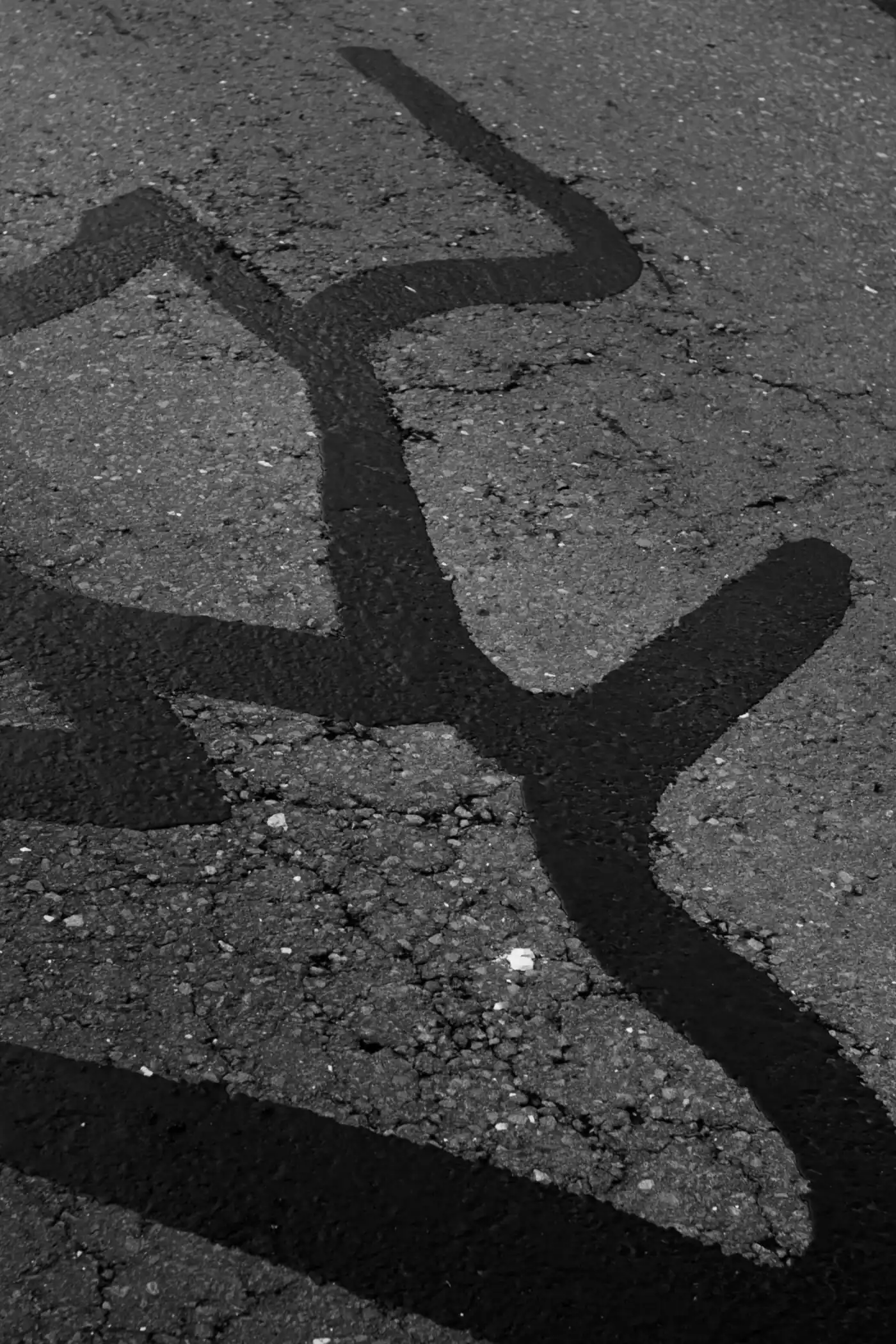
- Apply hot rubberized crack sealant, which flows into the crack and cures into a flexible, watertight seal.
- Repair failed areas like potholes and alligator cracking separately, including the base where needed.
Hot rubberized sealant is ideal for Las Vegas winters because it stays flexible through cold nights and warm days. Rigid fillers crack and pull away. Learn more on our crack and pothole repair page.
What About Weather Days?
We schedule around the forecast. Sealant needs dry cracks to bond, so we avoid rainy days and work when the pavement is dry. On the coldest mornings, we may adjust the start time. Mild winter days in the valley are usually perfect working conditions.
Pothole Repair in Winter
Potholes can also be repaired in winter. Daytime temperatures in the valley are typically workable for placing and compacting hot mix asphalt properly. A pothole left open through winter only gets bigger, and it's a hazard the whole time. Read why pothole repairs fail in Las Vegas to understand what makes a winter patch hold.
Pairing Winter Crack Repair With Spring Sealcoat
A smart yearly rhythm for many properties looks like this:
- Winter: seal cracks and repair failed areas.
- Spring: sealcoat when conditions are ideal, then restripe commercial lots.
- Summer: pavement is protected through peak UV and monsoon storms.
- Fall: inspect and catch any new cracks.
That keeps cracks sealed through the hardest months and the surface protected through the hottest ones.
What Winter Crack Repair Is Not
Crack sealing in winter is about closing cracks and keeping water out. It won't reverse alligator cracking or fix a pothole on its own. Areas where the base has already failed need full-depth repair: cutting out the damaged asphalt, fixing the base, and compacting fresh asphalt. During a winter visit, we'll point those areas out and handle them so they don't keep spreading. If the surface is badly faded, we'll also recommend scheduling a sealcoat in spring when conditions are ideal.
Who Benefits Most From Winter Crack Repair?
- Homeowners who noticed cracks widening during fall
- HOAs that want work done ahead of the spring rush and within the new budget year
- Commercial properties that want cracks closed before potholes become liability issues
- Properties in Summerlin and Pahrump, where colder nights widen cracks faster
Common Questions
Is it too cold in Las Vegas winter for crack sealing?
Generally no. Valley winters are mild enough for crack sealing year-round. We work on dry days and adjust around the coldest mornings.
Will winter-sealed cracks hold up in summer?
Yes. Hot rubberized sealant is flexible and handles both cold nights and hot summer days.
Can I sealcoat in winter too?
Often on mild days, though spring and fall are ideal for sealcoating. Crack repair is the bigger winter priority.
How do I know if my cracks need sealing now?
If they're wider than a hairline, growing, or have crumbling edges, seal them now.
Is pothole repair possible in winter?
Yes, and waiting usually makes the hole bigger.
Don't Wait for Spring
Seal It Up! Asphalt & Sealcoating is locally owned and serves Las Vegas, Henderson, Summerlin, North Las Vegas, Boulder City, Pahrump, Paradise, and Spring Valley year-round. Call 702-915-6591 or request a free estimate and get your cracks sealed before they spend another winter growing.
Get a straight answer on your pavement
Call 702‑915‑6591 or request a free estimate. We serve Las Vegas, Henderson, Summerlin, North Las Vegas, Boulder City, Pahrump, Paradise, and Spring Valley. Learn more about our crack & pothole repair service.