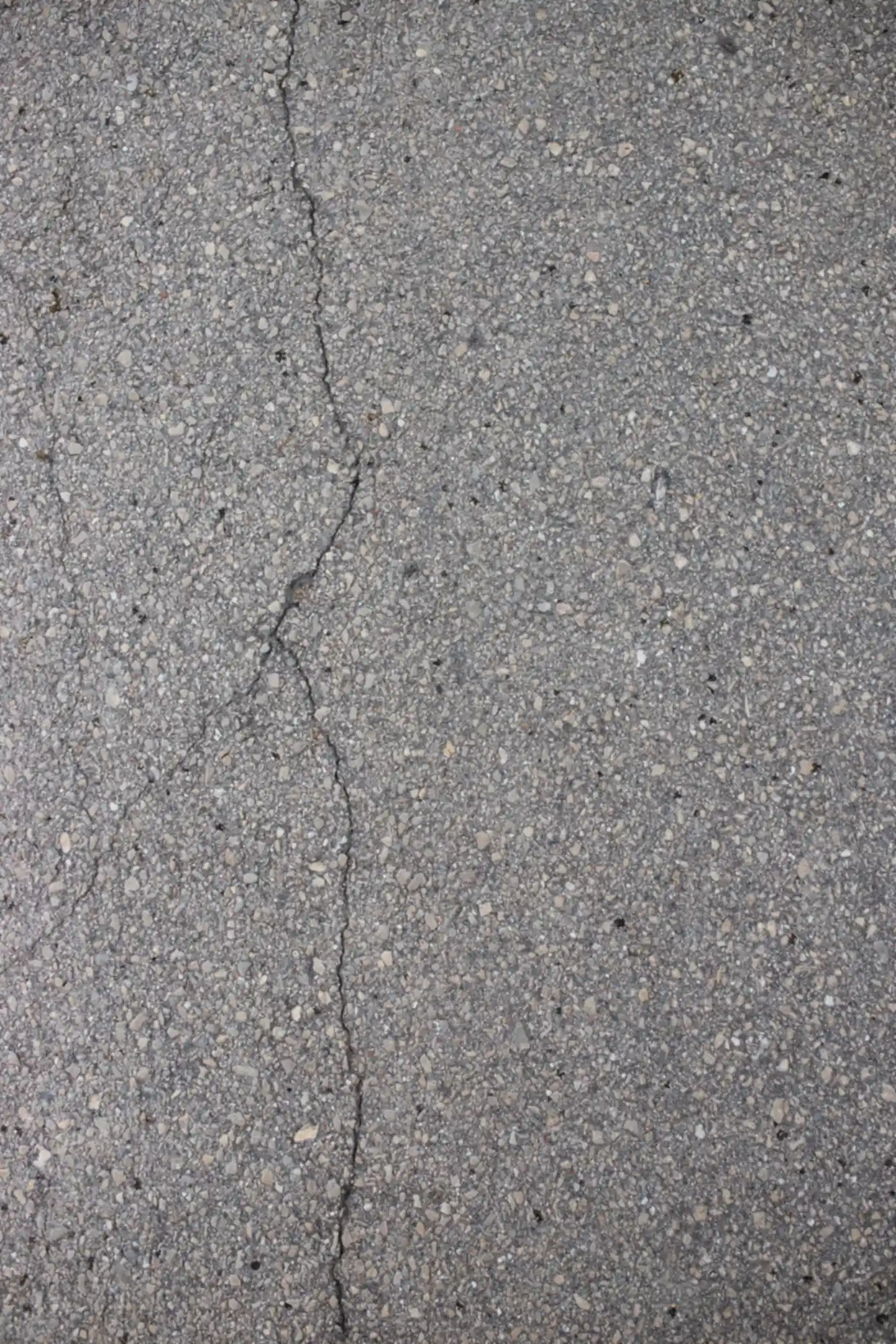
By October, most Las Vegas driveways and parking lots are showing the scars of another summer. The surface is a shade grayer than it was in spring. Hairline cracks have opened along the edges, at the seams, and in the tire paths. The heat has finally broken, and it's tempting to think the pavement gets a break too.
It doesn't. A Las Vegas winter is mild for people, but it's a busy season for cracks. Here's what happens to unrepaired cracks between now and spring, and why fall is the moment to stop it.
October: Cracks Are at Their Widest
After a long summer, asphalt has been baked and dried out. As temperatures fall in autumn, the pavement contracts. Cracks that were tight in July open wider in October. That's bad news if they stay open, but good news if you seal them now, because a wide-open crack takes sealant completely and seals tight.
November and December: The Swing Starts Working
Las Vegas winter days can be pleasant, but nights get cold, and in higher areas like Summerlin and Pahrump they get colder still. That gap between day and night is the engine of winter crack damage.
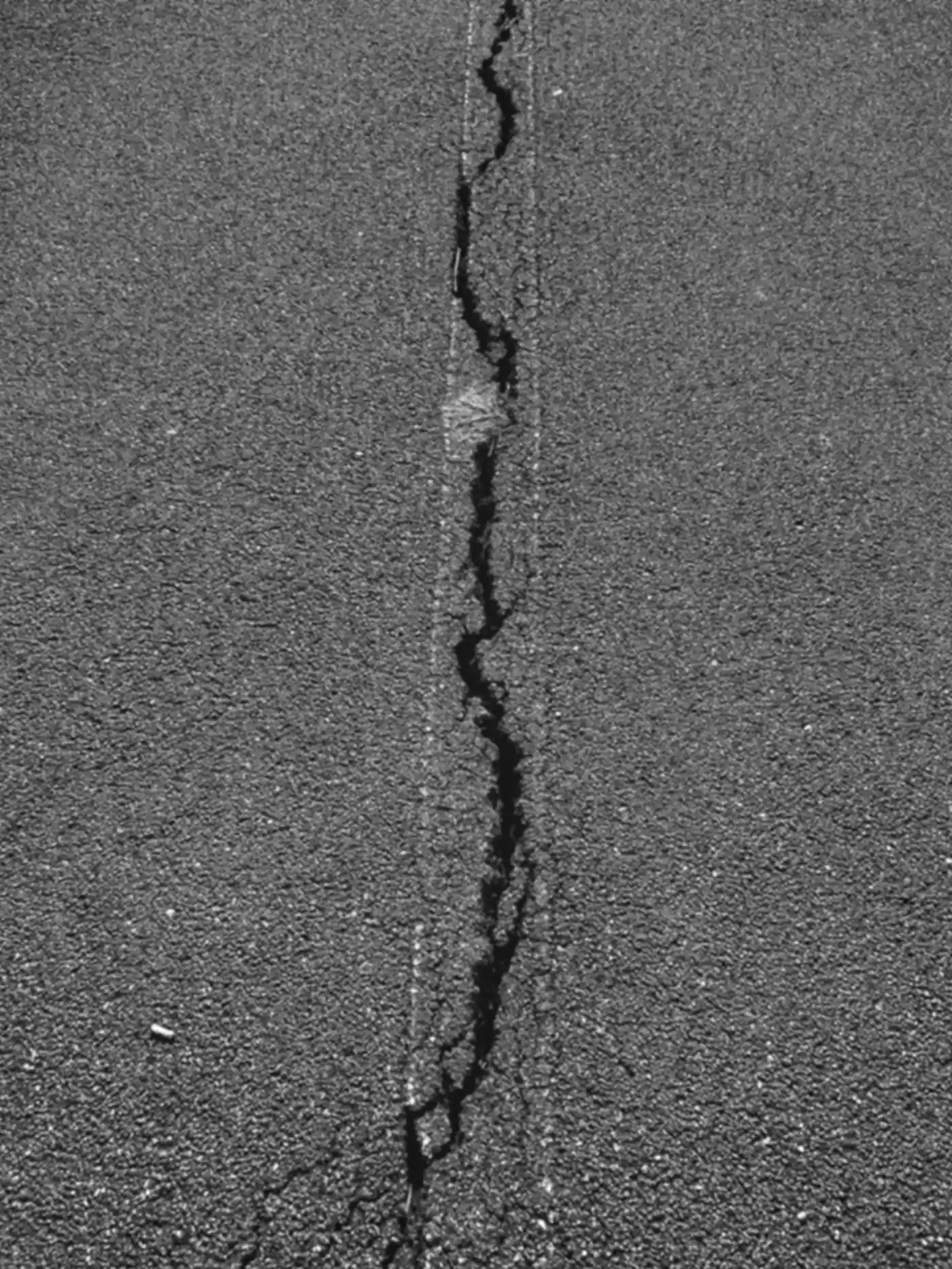
Each cold night, the asphalt shrinks and the crack opens. Each sunny afternoon, the pavement warms and expands, pushing the crack walls back together. The edges grind against each other and loosen. Small pieces break off. The crack gets a little wider and a little more ragged every cycle.
Over a full winter, that adds up to a lot of cycles, and a crack that started as a thin line can end the season noticeably wider with crumbling edges.
Winter Rain Finds the Cracks
The valley doesn't get much rain in winter, but it does get storms. When it rains, water runs across the pavement and into every open crack. It soaks down through the asphalt to the aggregate base below.
A dry, compacted base is strong. A wet base loses strength. Now the pavement over that crack has less support, and every car that drives over it flexes the surface more than it should.
Freezing Nights Add Pressure
Hard freezes are not an everyday thing on the valley floor, but cold snaps happen, and higher areas see them more often. When water trapped in a crack freezes, it expands and pushes the crack walls apart from the inside. Even a few of those nights can widen cracks and loosen edges further.
January and February: Cracks Become Networks
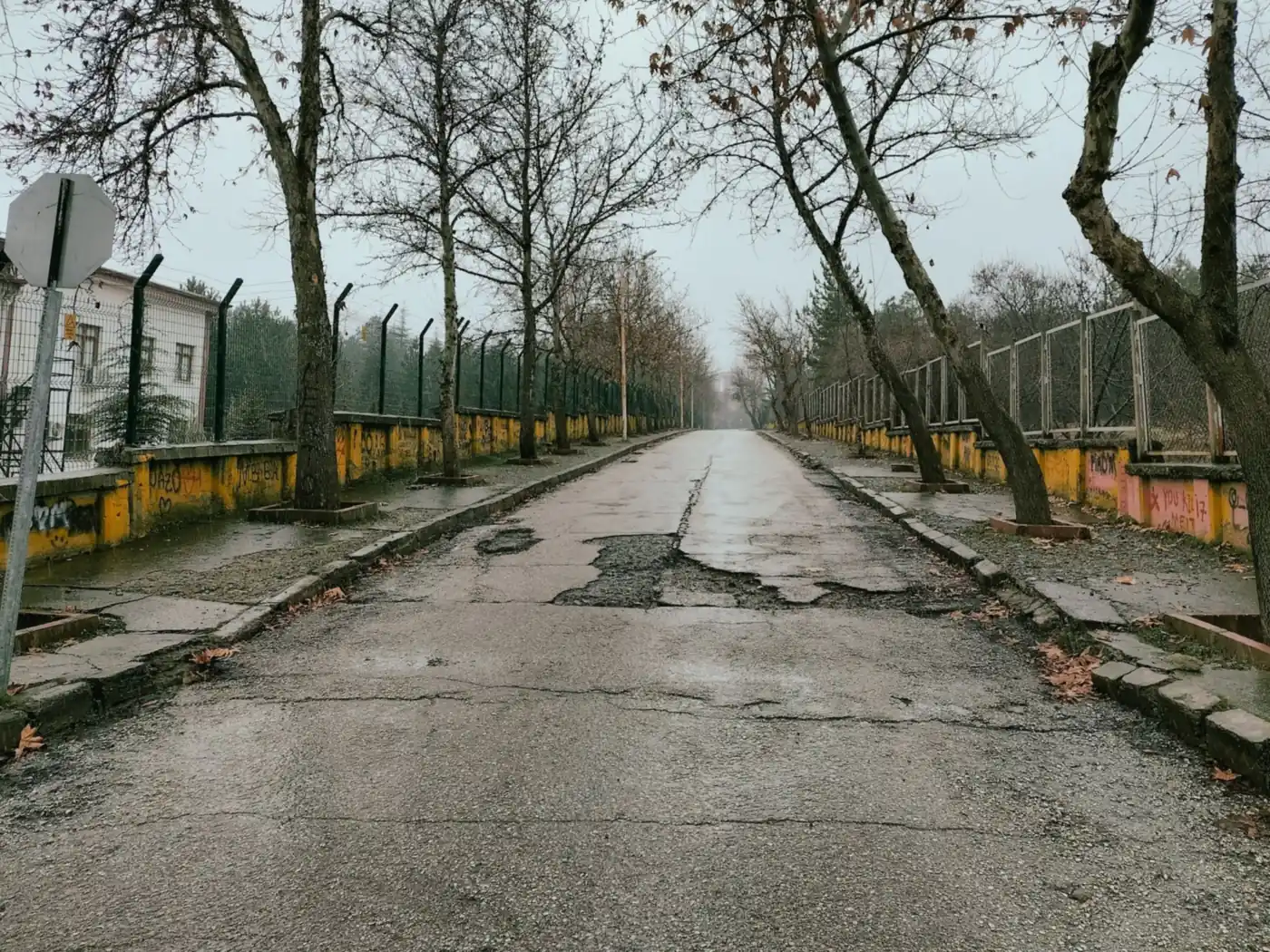
Once the base under a crack has softened and the edges are breaking down, new cracks branch off the old one. Traffic flexing the weakened area creates more cracks around it. Over time they connect into the pattern called alligator cracking.
Alligator cracking is the point where crack sealing stops being enough. The base underneath has failed in that area, and the repair now means cutting out the damaged pavement, fixing the base, and compacting fresh asphalt.
March: Potholes Appear
By late winter, some of those alligator-cracked areas break loose entirely. A piece pops out under a tire, then another, and a pothole forms. On a driveway, it usually shows up near the street or in the tire path. On a parking lot, it shows up at entrances, in drive aisles, and near dumpster pads.
That pothole started as a crack that was easy and inexpensive to seal back in October.
Spring: The Bill Arrives
In spring, the pavement that went into winter with sealable cracks comes out of it needing patching and base repair. Spring is also when everyone else calls their pavement contractor at once, so scheduling is tighter. Then monsoon season arrives a few months later and sends far more water into whatever cracks are still open.
What Sealing Cracks in Fall Prevents
Sealing cracks before winter breaks that whole chain at the first link:
- Hot rubberized sealant fills the crack completely while it's wide open.
- It stays flexible through cold nights and warm afternoons, moving with the pavement instead of pulling away.
- It keeps winter rain out of the base, so the base stays strong.
- It stops crack edges from grinding and crumbling through temperature swings.
The result is pavement that comes out of winter in the same shape it went in, instead of with a new list of repairs. Learn more about our crack and pothole repair service.
How Our Crack Sealing Works
- Walk the pavement and identify which cracks need sealing and which areas, if any, have already failed.
- Blow out every crack with compressed air so sealant bonds to clean crack walls.
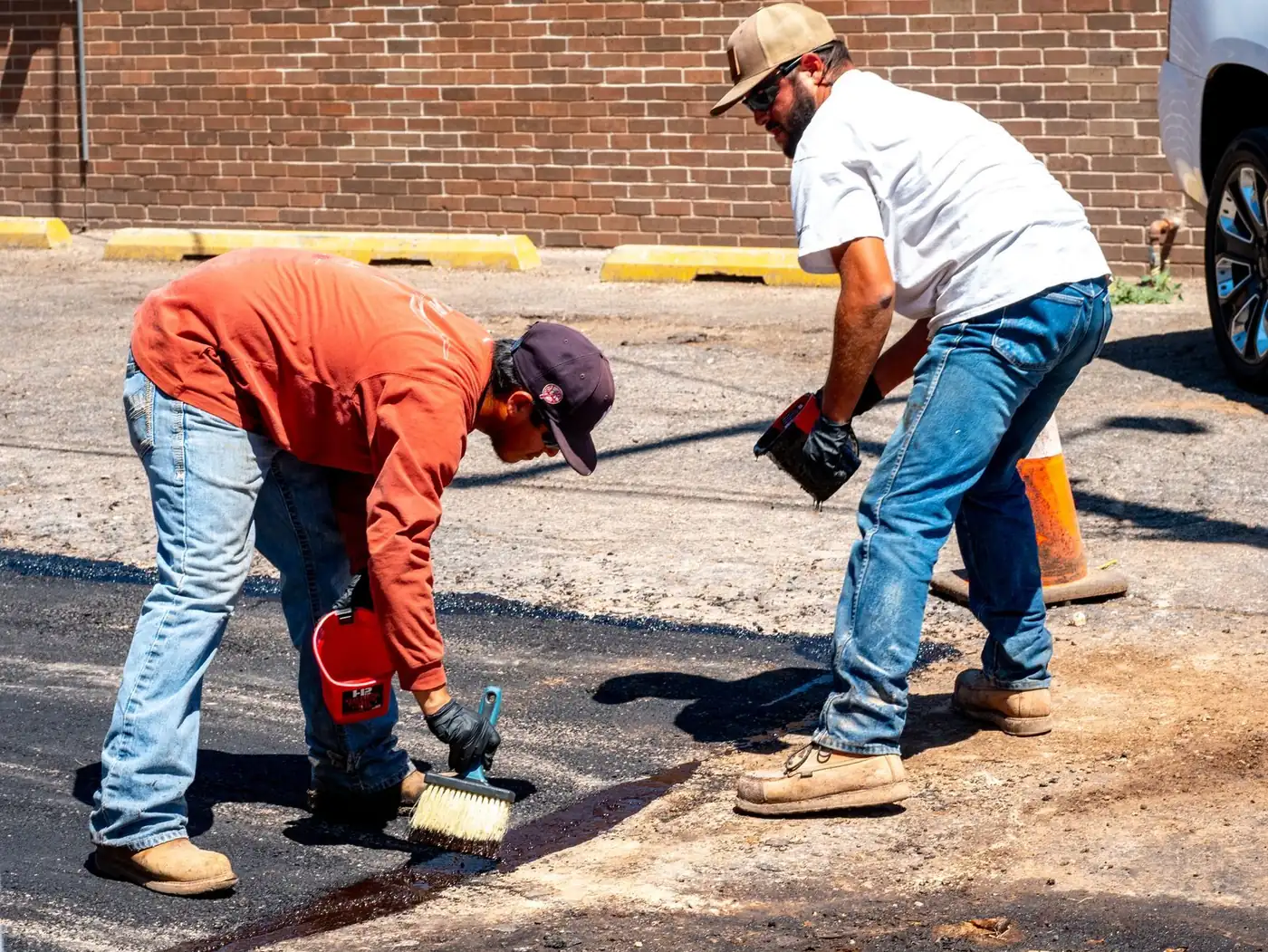
- Apply hot rubberized crack sealant into each crack.
- Repair failed areas with full-depth patching and base repair where needed.
- Recommend a sealcoat if the surface needs protection, either now or in spring.
Why Not Wait Until Spring?
Las Vegas allows crack repair year-round. Waiting doesn't make the repair work better. It just gives winter more time to widen cracks and soften the base. Fall and winter sealing means the pavement spends the hardest part of the cold season protected. Read more in why winter is the perfect time for crack repair.
Driveways vs. Parking Lots in Winter
The same winter process plays out on both, but at different speeds. A home driveway sees a few vehicles a day, so a weakened spot under a crack might hold together through a mild winter. A parking lot, HOA street, or apartment community sees constant traffic, so every soft spot gets flexed hundreds or thousands of times a week. Cracks on busy commercial pavement move from open to alligator to pothole much faster, and they create trip hazards along the way. If you manage a lot, winter is the season to get ahead of it. See parking lot crack repair in Las Vegas.
What You Can Check Right Now
Take a walk around your driveway or lot this week. Look for:
- Cracks along edges, seams, and where the asphalt meets concrete
- Cracks you can slide a coin into
- Crumbling crack edges or loose pieces
- Weeds or debris growing in cracks
- Areas where cracks connect into a web pattern
If you see any of these, sealing them before winter is the cheapest fix you'll get all year. Our guide to signs your driveway needs asphalt repair shows each stage.
Common Questions
Is it too late in the year to seal cracks?
No. Las Vegas winters allow crack sealing on dry days throughout the season.
Will sealed cracks hold up through cold nights?
Yes. Hot rubberized sealant is designed to stay flexible through temperature swings.
What if I already have alligator cracking?
Those areas need cut-out repair and base work. The rest of the cracks can still be sealed.
Should I sealcoat before winter too?
If the surface is faded and conditions allow, yes. If not, seal cracks now and plan the sealcoat for spring.
How long does crack sealing take?
Many driveways take a short visit. Commercial lots depend on size and the amount of cracking.
Seal Them Before Winter Does the Damage
Seal It Up! Asphalt & Sealcoating is locally owned and serves Las Vegas, Henderson, Summerlin, North Las Vegas, Boulder City, Pahrump, Paradise, and Spring Valley. Call 702-915-6591 or request a free estimate. We'll walk your pavement, seal the cracks that matter, and give you a straight answer on anything that needs more.
Get a straight answer on your pavement
Call 702‑915‑6591 or request a free estimate. We serve Las Vegas, Henderson, Summerlin, North Las Vegas, Boulder City, Pahrump, Paradise, and Spring Valley. Learn more about our crack & pothole repair service.