When people think about the environmental side of pavement, they usually think about building it: excavators, dump trucks, hot asphalt plants, and big rollers. That's where most of the energy, materials, and emissions are. What gets overlooked is that maintenance determines how often all of that has to happen.
Every year you add to the life of an existing driveway or parking lot is a year you don't need to tear it out and rebuild it. Seen that way, sealcoating and crack repair aren't just cost-saving steps. They're one of the most practical ways a property owner can reduce the environmental footprint of their pavement.
The Footprint of Building Pavement
A new asphalt surface or a full reconstruction involves a long chain of activity:
- Removing the old pavement, which means demolition equipment and hauling the debris away
- Quarrying and crushing aggregate for the base and the asphalt mix
- Producing hot mix asphalt, which requires heating materials at a plant
- Trucking material from the plant and quarry to the site, often many loads
- Running heavy equipment for grading, paving, and compaction
All of that uses fuel, energy, and raw materials. None of it is wrong. Pavement has to be built. But the less often it has to be rebuilt, the smaller the total footprint over the years.
How Maintenance Shrinks That Footprint
Properly installed and maintained asphalt lasts 15 to 20 years. Neglected asphalt in the desert often fails far sooner. The gap between those two outcomes is where the environmental savings live.
Maintenance work uses a small fraction of the material and equipment of reconstruction:
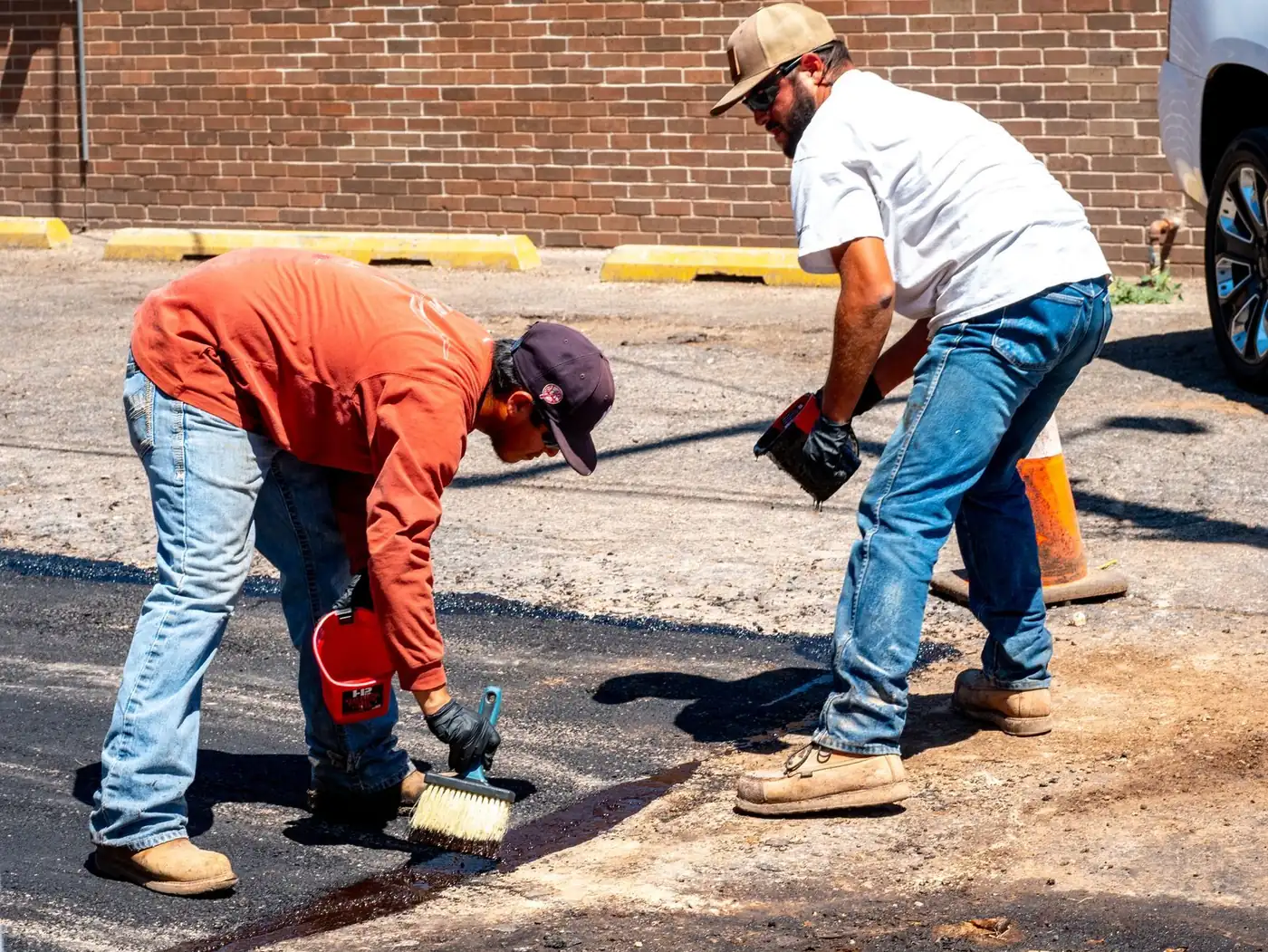
- Crack sealing uses a small amount of sealant and a small crew to protect a large area.
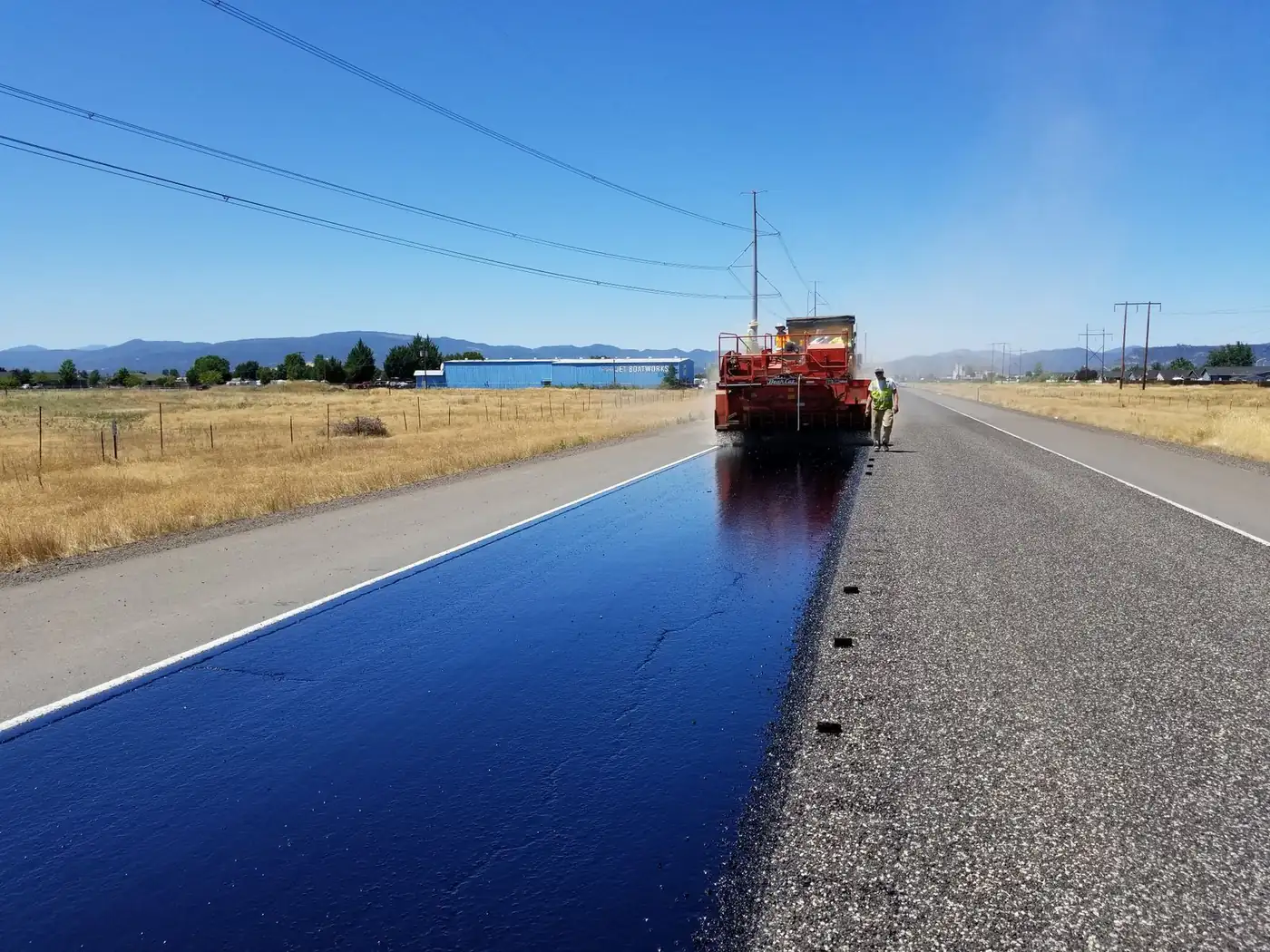
- Sealcoating puts a thin protective layer over existing pavement instead of replacing it.
- Targeted repairs fix failed spots without removing the whole surface.
Each of these steps pushes the next full rebuild further into the future, which means fewer rounds of demolition, hauling, mining, and paving over the life of the property.
Crack Sealing Protects What's Already There
The most valuable material in a parking lot or driveway is often the part you can't see: the compacted aggregate base. When water gets through cracks and softens that base, the pavement above it fails and the base often has to be dug out and replaced.
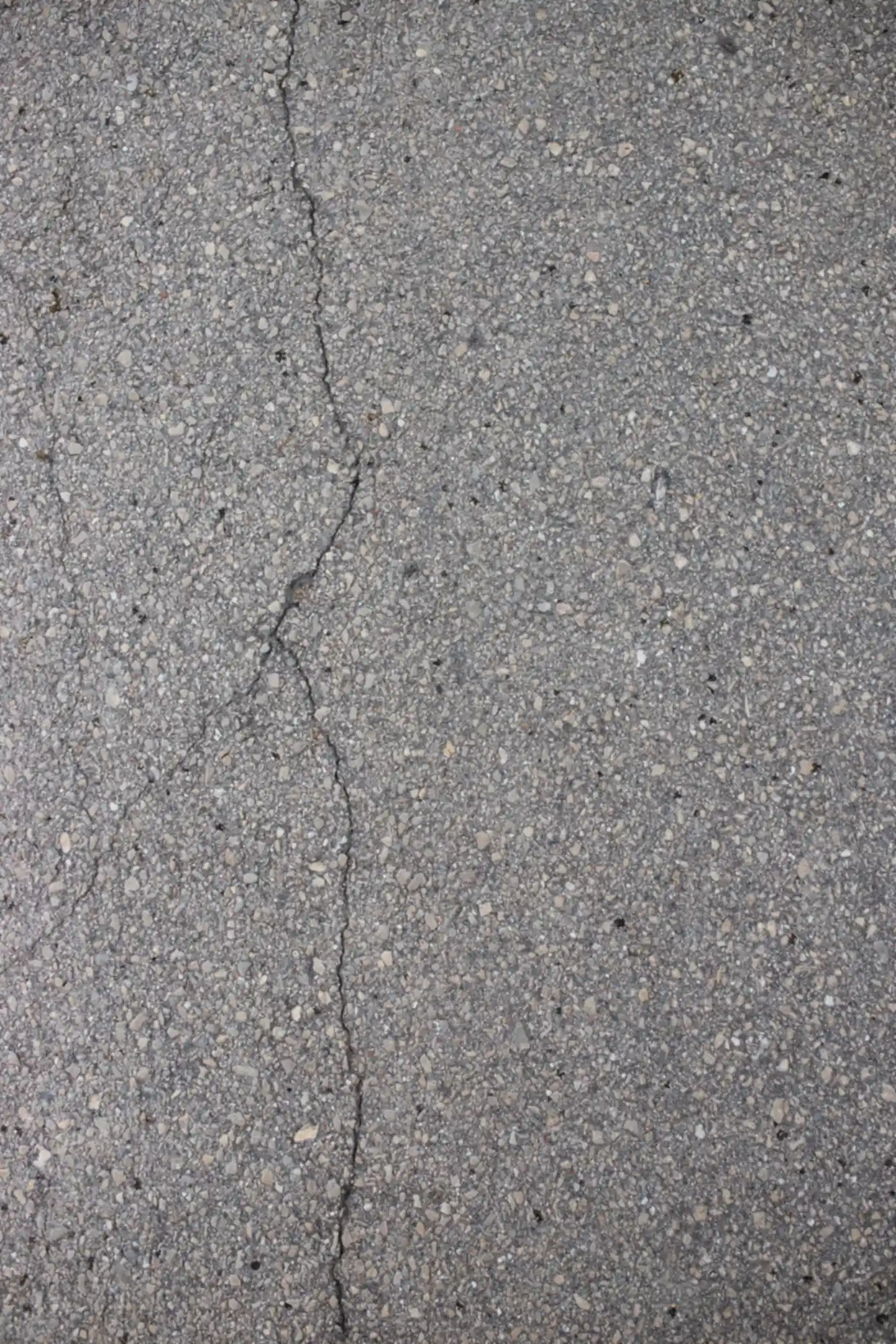
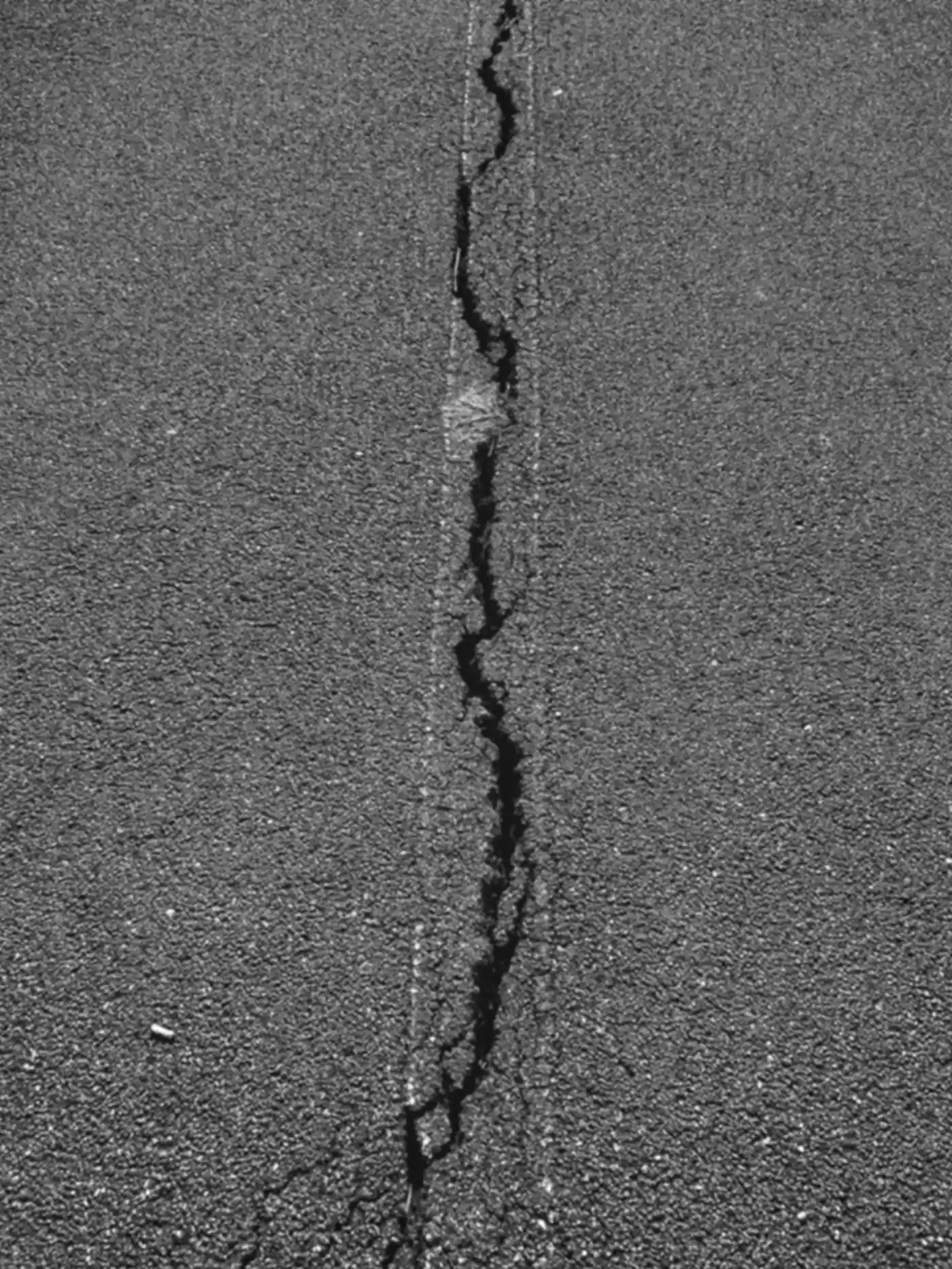
Crack sealing with hot rubberized sealant keeps water out of the base. In Las Vegas, that matters most during monsoon season, when storms drop a lot of rain in a short burst. Keeping the base dry and intact means it can keep doing its job for many years, instead of becoming waste and needing new material trucked in. Learn more about the service on our crack and pothole repair page.
Sealcoating Slows the Aging Process
In the desert, UV and heat are the main reasons asphalt ages. They dry out the binder, the surface turns brittle, and cracking follows. A sealcoat absorbs and blocks that UV, sheds water, and resists oil and fuel.
By slowing oxidation, sealcoating keeps the existing asphalt flexible and functional longer. That's less new asphalt needed over the life of the property.
Fewer Potholes, Fewer Emergency Repairs
Potholes create their own small chain of environmental costs: repeated trips to patch them, bags of cold patch that crumble out and get replaced, and often a bigger repair later. Pavement that's maintained develops fewer potholes, so there are fewer repeat repairs and less wasted material.
We explain why bag patches keep failing in why pothole repairs fail in Las Vegas.
Oil and Fuel Stay on the Surface
Parking lots collect drips of oil, fuel, and other fluids. On bare, oxidized asphalt, those fluids soak into the surface and soften it. A sealcoat creates a barrier that resists them, so spills stay on top where they can be cleaned up instead of breaking down the pavement.
Less Disruption to the Property and Neighbors
Reconstruction projects mean noise, dust, heavy truck traffic, and longer closures. Maintenance work is much lighter. A residential driveway is usually sealed in a few hours, and a typical commercial lot takes about a day, with larger lots phased so the property stays open. Less disruption is good for residents, tenants, businesses, and the neighborhood around them.
Asking the Right Questions About Materials
If environmental impact matters to you, it's worth asking any contractor about the products they use, how they handle cleanup, and how they keep material out of storm drains and landscaping. Careful edging, containment, and cleanup practices are part of doing the job right.
We use UV-resistant sealants and materials formulated for desert conditions, chosen so each coat lasts its full cycle here. A coating that lasts longer is a coating that has to be reapplied less often.
Water Management in a Dry Climate
It sounds odd to talk about water in Las Vegas, but water management is a big part of pavement's environmental story here. When monsoon storms hit, a cracked, failing parking lot lets water soak into the ground beneath it instead of guiding it toward drains and retention areas. That softens the base, creates potholes, and carries loose debris and broken asphalt along with the runoff.
Sealed cracks and a sealed surface keep water moving where the property's drainage design intends it to go. Pavement that holds its shape and grade also prevents the ponding that breeds mosquitoes and leaves standing water in walkways. Good maintenance keeps the whole system working the way it was designed to work.
The Bigger Picture: Maintenance First
Whether you look at it from a budget standpoint or an environmental one, the conclusion is the same. The most efficient pavement is the pavement you already have, kept in good shape. The steps are simple:
- Seal cracks as soon as they appear.
- Sealcoat every 2 to 3 years, more often for busy commercial lots.
- Repair failed areas properly the first time, base included.
- Replace only when the pavement has truly reached the end of its life.
For the cost side of the same idea, read sealcoating vs. repaving: the smart money move in hot, dry climates.
Common Questions
Is maintenance really better for the environment than new pavement?
Maintaining pavement uses far less material, fuel, and equipment than rebuilding it, and it delays the next rebuild. Over the life of a property, that adds up.
Does crack sealing really protect the base?
Yes. Keeping water out of the base is the main purpose of crack sealing, and a dry base lasts much longer.
Can old asphalt be reused?
Removed asphalt can often be recycled into new mixes or base material, which is better than landfilling it. But the best outcome is not needing to remove it for as long as possible.
How often should a lot be inspected?
At least once a year, and after a heavy monsoon season.
Does sealcoating help with heat?
Sealcoat is about protecting the pavement from UV, water, and fluids. Its main environmental value comes from extending the life of the asphalt.
Make Your Pavement Last
Seal It Up! Asphalt & Sealcoating is locally owned and serves Las Vegas, Henderson, Summerlin, North Las Vegas, Boulder City, Pahrump, Paradise, and Spring Valley. We'll show you how to get the most life out of the pavement you already have.
Call 702-915-6591 or request a free estimate.
Get a straight answer on your pavement
Call 702‑915‑6591 or request a free estimate. We serve Las Vegas, Henderson, Summerlin, North Las Vegas, Boulder City, Pahrump, Paradise, and Spring Valley. Learn more about our crack & pothole repair service.