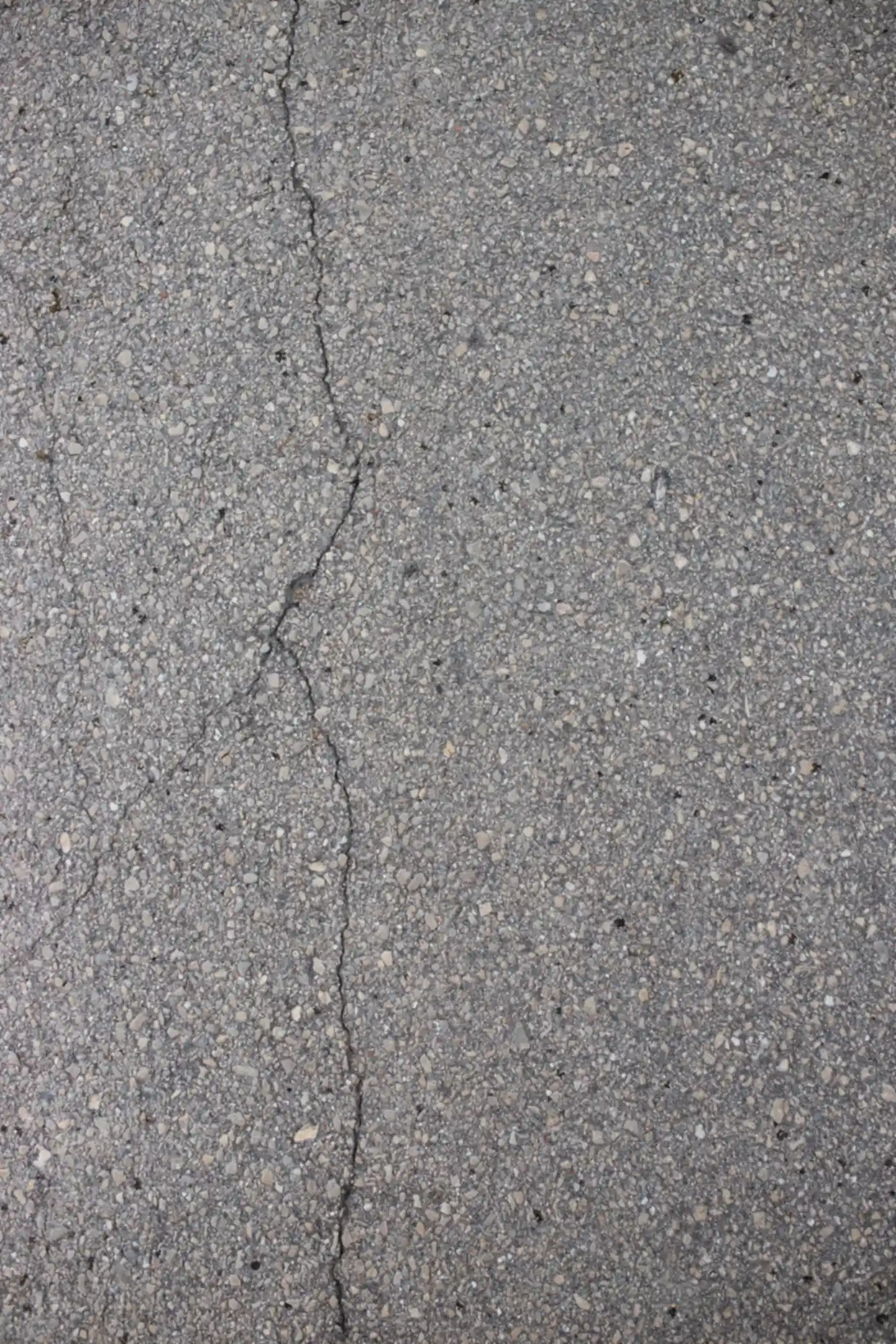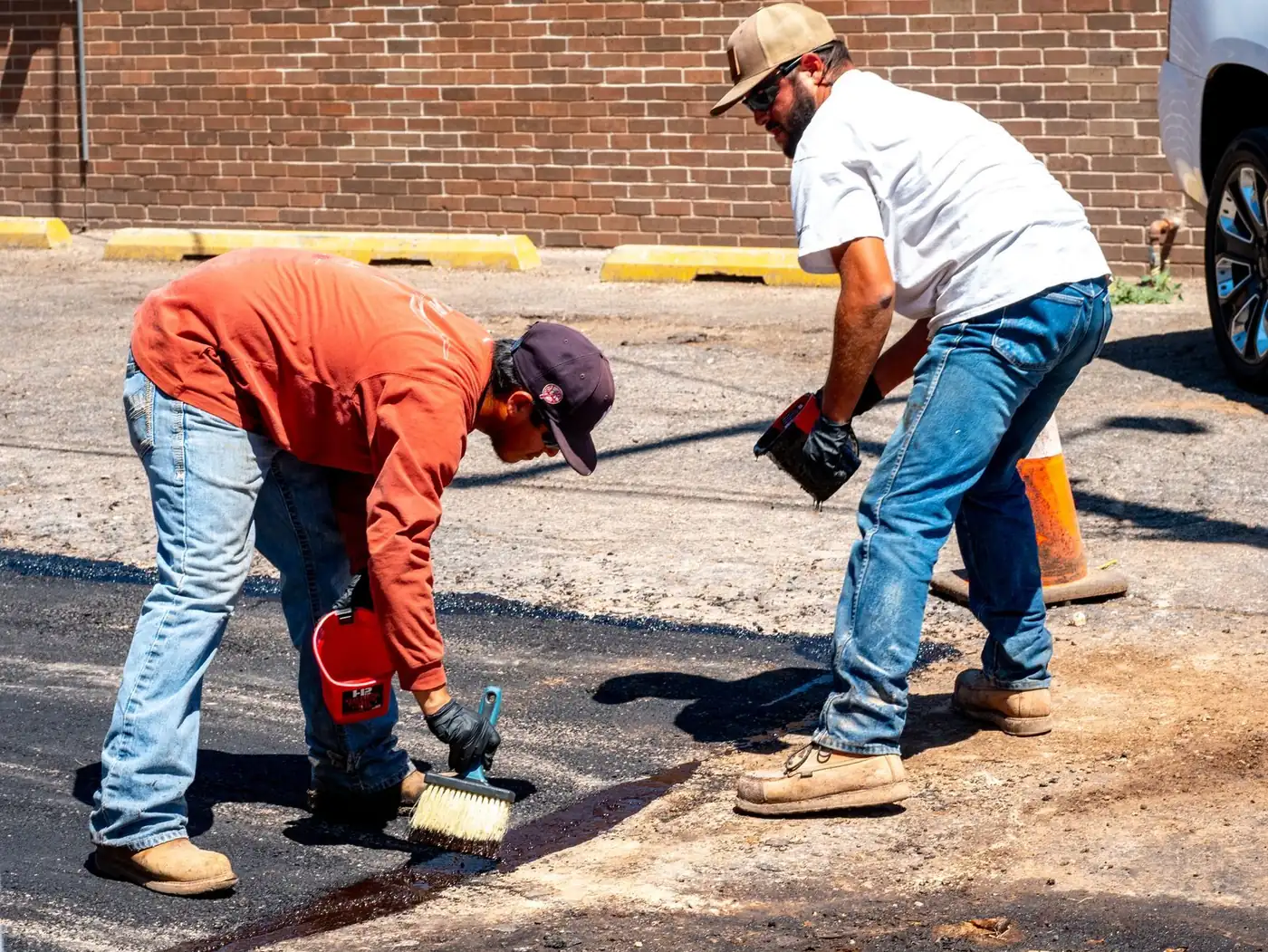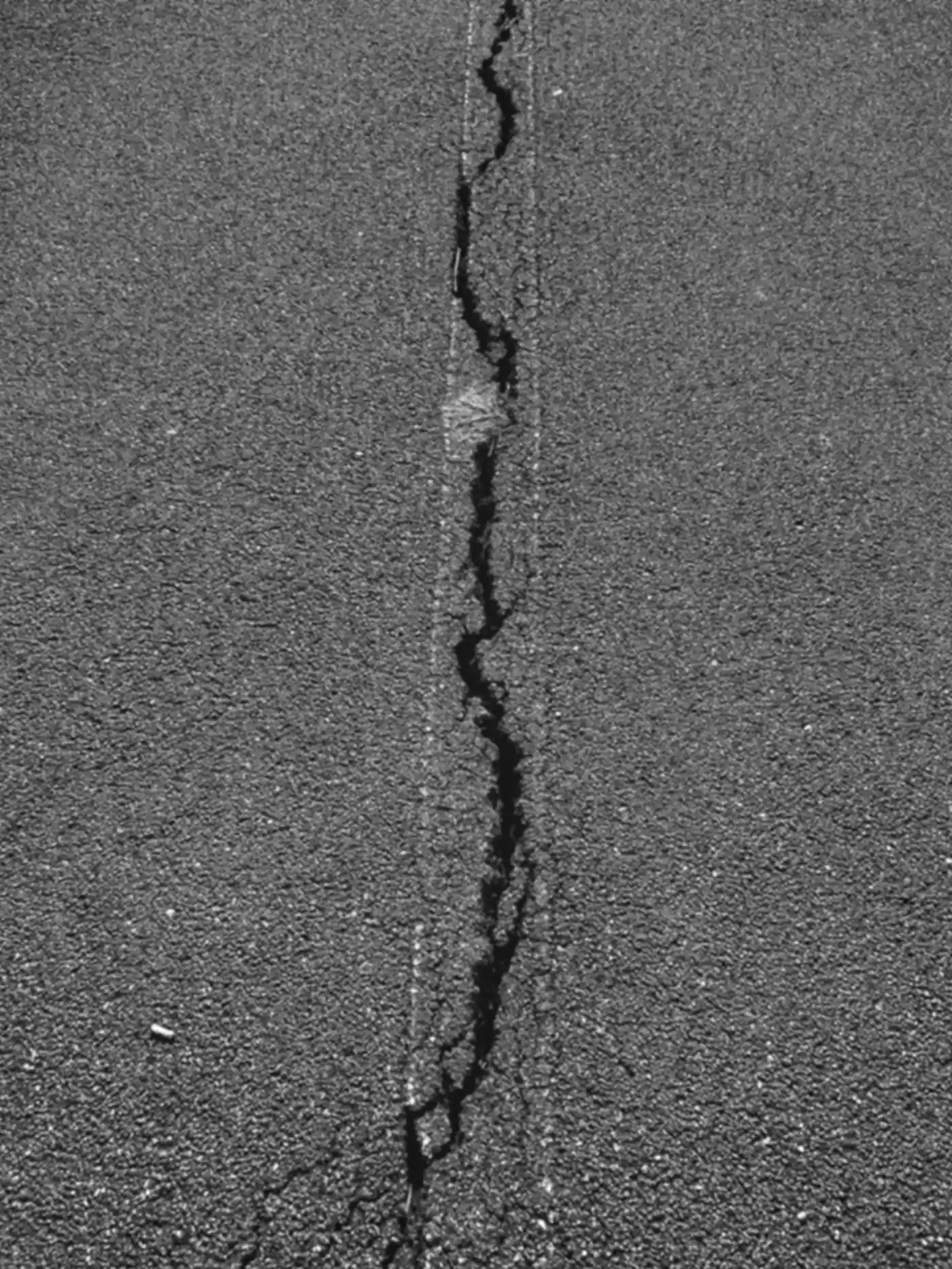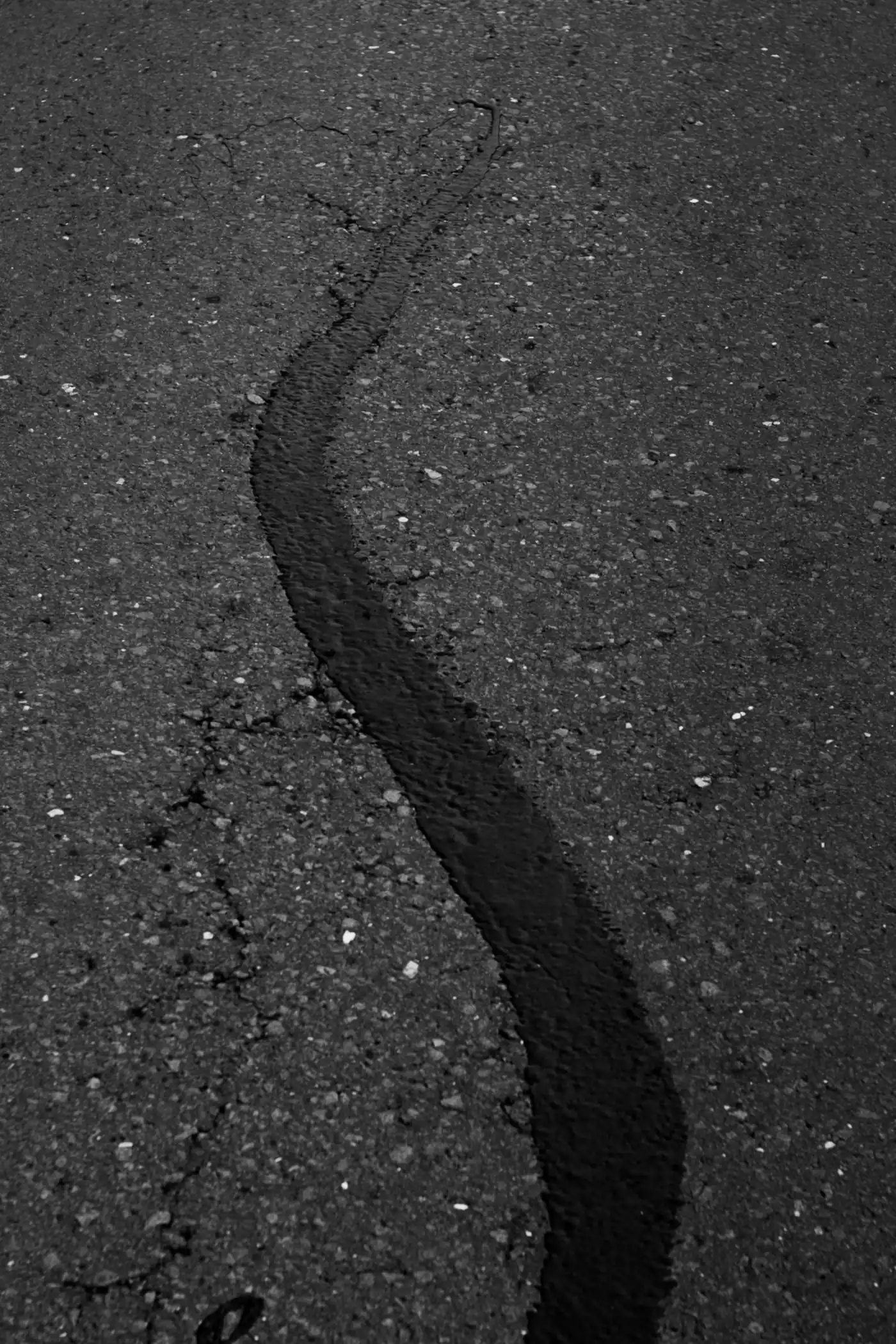
If a pool contractor's excavator, dump trucks or concrete trucks cracked or rutted your asphalt driveway, the damage can usually be fixed, and the best time to settle who pays is before you make the final payment to the pool builder. Small, isolated cracks can be sealed. Ruts, sunken spots and areas broken into small pieces mean the base under the asphalt was pushed down, and those sections need to be cut out and replaced. A driveway damaged across most of its surface is often better repaved, after every heavy delivery for the pool project is finished.
Here is how to read the damage, what each repair involves, and how to raise it with your pool builder.
What Excavators, Dump Trucks and Concrete Trucks Do to a Residential Asphalt Driveway
A residential asphalt driveway is built for cars and pickups. Pool construction brings a different kind of traffic: a tracked excavator or skid steer to dig the hole, loaded dump trucks hauling the dirt away, gravel and steel deliveries, and concrete or gunite trucks for the shell and the deck. Each of those vehicles puts far more weight on every tire than a family car, and they cross the same strip of driveway many times over several weeks.
Repeated heavy loads in the same wheel paths cause the two most common kinds of driveway damage. The Federal Highway Administration's pavement distress manual describes fatigue cracking (often called alligator cracking) as cracking in areas subjected to repeated traffic loading that breaks into many-sided, sharp-angled pieces as it progresses. It describes rutting as a surface depression in the wheel path. Trucks that brake and turn on the driveway can also shove the asphalt sideways, and heavy wheels near an unsupported edge break the edge off.
Las Vegas heat makes all of this worse. Asphalt softens as it warms, so a loaded truck parked on a sunny driveway in the afternoon leaves deeper marks than the same truck on a cool morning.
Damage to Look for on Your Driveway Once the Pool Equipment Is Gone
Walk the driveway in daylight after the heavy work is done, and take dated photos of anything you find. Look for:
- Ruts or dips in the tire paths. Lay a straight board across the driveway; a gap under it means the surface has sunk.
- Alligator cracking. A patch of connected cracks that looks like reptile skin, usually where trucks turned or parked.
- New long cracks, especially along the tire paths or spreading out from where a truck sat.
- Broken or crumbling edges where wheels rode off the side onto gravel or landscaping.
- Gouges and scrapes from excavator tracks, outrigger pads or a dropped bucket.
- Soft spots that flex or push up fine dirt when a car drives over them.
- Stains from hydraulic fluid, diesel or concrete washout. Fuel and oil soften asphalt over time.
- Water that ponds after rain or hosing where it used to drain.
If you are not sure whether a crack is new, compare it with photos taken before construction, or with real estate listing photos if you have them. For a broader list of warning signs, see signs your driveway needs asphalt repair.
Patch, Partial Replacement or Full Repave: Choosing the Repair for a Construction-Damaged Driveway
The right repair for a driveway damaged by pool construction depends on whether the damage is only in the asphalt surface or reaches the base below it.
- Crack sealing fits isolated cracks where the asphalt on both sides is still level and solid. Hot crack sealant keeps water out of the base so the crack does not grow.
- Cut-out patching (partial replacement) fits ruts, alligator cracking, soft spots and broken edges in defined areas. The damaged section is saw-cut out, the base is re-compacted or rebuilt, and new hot asphalt is placed and rolled. A thin layer of patch material over a rut does not last, because the base under it is still pushed down.
- A full repave makes sense when damage covers most of the driveway, when the driveway was already near the end of its life, or when the new backyard layout changes where the driveway needs to go.
Whichever repair you choose, ask for the seams around patched areas to be sealed so water cannot get in at the joints. If the driveway was sealcoated before, a fresh sealcoat over the whole surface after the repairs evens out the color. Seal It Up! handles all three: crack sealing and pothole repair for localized damage, and asphalt paving when a full replacement is the better value.
Protecting Your Asphalt Driveway Before Pool Construction Starts
If your pool is still in planning, a few steps before the first truck arrives can prevent most driveway damage:
- Photograph the driveway close up and from the street, with the date, before work begins.
- Ask the pool builder how equipment will reach the backyard, and whether trucks will cross the driveway, park on it, or stay on the street.
- Ask about ground protection. Plywood sheets or equipment mats spread the weight of tracks and tires and protect the edges.
- Keep heavy trucks off the edges, where asphalt has the least support.
- Put the driveway in writing. Ask that the contract or a signed change order say who repairs driveway damage caused by construction traffic.
A driveway that is already cracked or soft will get worse under construction loads. If yours already has problems, it can make sense to seal the existing cracks now and plan any repaving for after the pool is finished.
Who Pays for Driveway Damage: Talking to Your Pool Builder Before Final Payment
Raise driveway damage with the pool builder in writing as soon as you see it, with your before and after photos, and before you make the final payment. Once the last check clears, you have much less leverage.
Nevada's contractor law for residential pools and spas sets ground rules that help here. A pool contract for a single-family home must describe the work and include a progress payment schedule, and changes must be agreed in writing as a change order signed by the owner. The same law lets the pool contractor require final payment after the plastering is complete and the local building department has done its final inspection. That gives you a natural checkpoint: walk the driveway before that inspection and have the repair agreed by then.
Read your pool contract for language on cleanup, restoration and damage to existing improvements. If it says nothing about the driveway, the conversation is a negotiation, and a written repair quote from an asphalt contractor helps: it puts a real scope and price on the table instead of an argument about whether the damage is minor. A builder may pay the asphalt contractor directly, credit the amount against the final invoice, or send its own crew. If the builder offers a quick cover-up, ask whether the base will be repaired, not just the surface.
If a licensed pool builder will not address damage caused by the work, the Nevada State Contractors Board takes complaints. Its Residential Recovery Fund can help owners who live in a single-family home and hired a licensed residential contractor, with a cap of $40,000 per claim and a deadline of four years after the work is completed. Claimants must first use up other ways of recovering the money, and the fund applies only to licensed contractors. For a real dispute, get advice from the Board or an attorney; this article is general information, not legal advice.
Timing Your Driveway Repair So the New Asphalt Is Not Damaged Again
Do not repair or repave the driveway while heavy pool work is still going on. Concrete trucks for the deck, paver and landscape rock deliveries and pool equipment often arrive after the shell is done, and each one can damage fresh asphalt. A practical order is:
- Document the damage and agree on the repair with the pool builder before final payment.
- Wait until the last heavy delivery (decking, landscape rock, block wall material) has left.
- Have the driveway repaired or repaved.
- Keep heavy vehicles off the new asphalt and give it time to cure before its first sealcoat.
In Las Vegas, many pools are built in the cooler months so they are ready for summer, and fall and winter days are easier on fresh asphalt than summer heat. For when the first sealcoat should go on, see when to sealcoat new asphalt in Las Vegas.
Get Your Driveway Assessed Before You Sign Off on the Pool
If construction traffic has left your driveway cracked, rutted or broken at the edges, Seal It Up! Asphalt & Sealcoating can look at it, tell you whether it needs crack sealing, cut-out patching or repaving, and give you a written scope and price you can take to your pool builder. Learn more about our crack and pothole repair service or request a free estimate.
Get a straight answer on your pavement
Call 702‑915‑6591 or request a free estimate. We serve Las Vegas, Henderson, Summerlin, North Las Vegas, Boulder City, Pahrump, Paradise, and Spring Valley. Learn more about our crack & pothole repair service.