It's the first question almost everyone asks, and it's a fair one. You want to know whether you're looking at a small expense or a big one before you pick up the phone.
The honest answer is that sealcoating prices depend heavily on the specific pavement. Two driveways the same size can have very different prices if one is smooth and tight and the other is gray, raveled, and full of cracks. Rather than throw out a number that won't match your property, here's what actually drives the cost, so you can understand any quote you get and compare bids fairly.
Factor 1: Size of the Area
Sealcoating is priced largely by area. A single-car driveway, a long circular drive, an HOA community lot, and a retail center are very different jobs. Larger areas use more material and labor, but they often benefit from efficiency: setup and mobilization costs are spread across more square footage.
When you request an estimate, rough dimensions or a description of the space help, but a walk-through gives the most accurate number.
Factor 2: Surface Condition
This is the factor most people don't expect. A tight, smooth surface takes less sealer. A weathered surface that has gone gray and rough, with loose stones and exposed texture, absorbs more material, much like painting raw wood versus painted wood.
Surface condition also affects prep time. Heavily oxidized pavement with lots of sand and debris takes longer to clean properly.
Factor 3: Crack Sealing
Cracks have to be cleaned and filled before sealcoating, or they show right back through. Crack sealing is usually priced by the amount of cracking, and it varies a lot from property to property. A newer driveway might have almost none. An older parking lot might have long runs along every curb and seam.
We use hot rubberized crack sealant, which stays flexible through Las Vegas temperature swings and keeps water out of the base. It's worth paying for, because cheap fillers that pull away from crack walls have to be redone.
Factor 4: Repairs
Potholes, alligator cracking, crumbling edges, and soft spots have to be repaired before sealing. These repairs can range from small patches to cutting out and rebuilding sections with base repair. They're often the biggest variable in a quote.
This is also where waiting gets expensive. A crack that would have cost little to seal last year can become a patch this year. Our article on signs your driveway needs asphalt repair explains the stages.
Factor 5: Oil Spots and Stains
Heavy oil and fuel stains need cleaning and priming so the sealcoat bonds. A residential driveway might have a spot or two. A busy commercial lot, especially stall areas and drive-thru lanes, can have a lot of them.
Factor 6: Striping and Markings
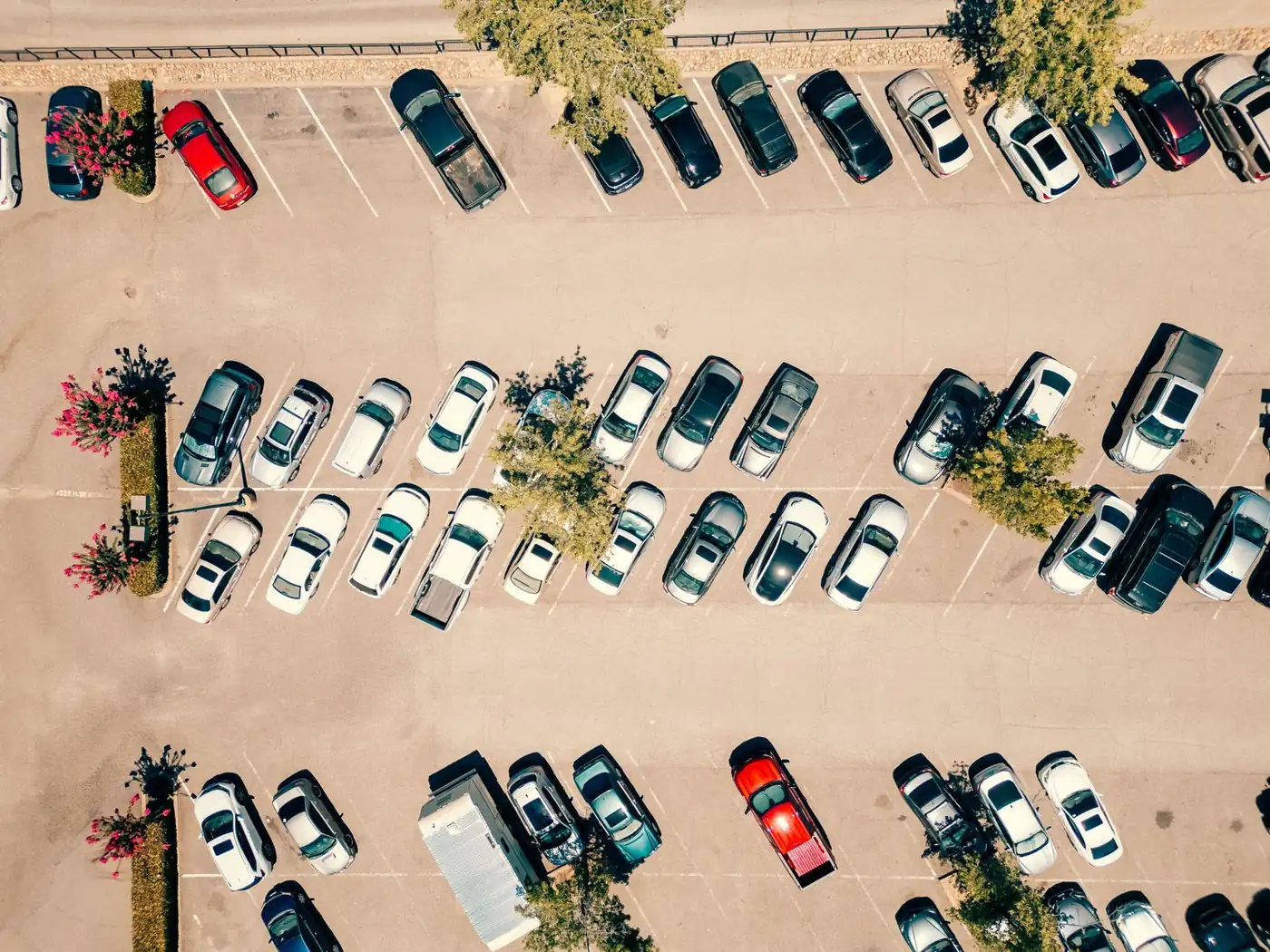
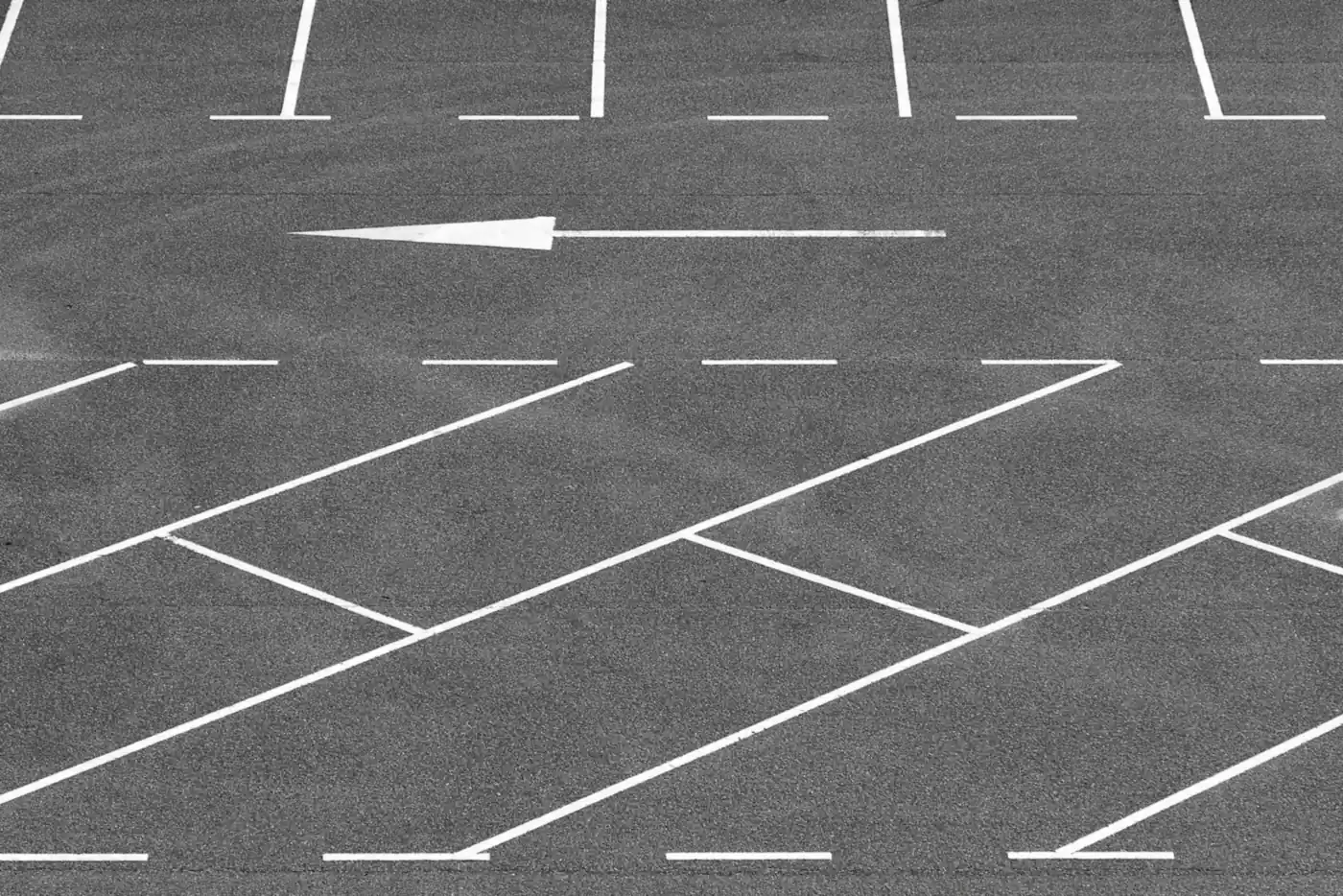
On commercial and HOA lots, sealcoating covers existing markings, so restriping is usually part of the job. The cost depends on the number of stalls, arrows, crosswalks, fire lanes, accessible stalls, and stenciled markings, and on whether the layout is staying the same or being redesigned. See our line striping service.
Factor 7: Access, Phasing, and Scheduling
Some jobs are simple: an empty driveway, clear access, one visit. Others take more planning: a lot that must stay partly open, work phased across multiple days, coordination with tenants or residents, traffic control, or scheduling around business hours. More phasing and coordination add to the effort.
Factor 8: Materials
Sealant quality varies a lot. A thin, general-purpose product costs less per bucket but often wears through before the end of a Las Vegas cycle. We use UV-resistant sealants formulated for desert conditions so the coat actually lasts the 2 to 3 years it's meant to. A cheaper coat that needs redoing sooner isn't cheaper.
How to Compare Sealcoating Quotes
When you get multiple bids, the lowest number isn't always the best value. Compare these things side by side:
- Is crack sealing included, and with what material?
- Are repairs itemized, and how are failed areas handled?
- How is the surface cleaned and how are oil spots treated?
- What sealant is being used, and is it suited to desert conditions?
- How many coats, and are high-traffic areas getting extra attention?
- Is striping included, and does it match your current layout?
- How will the work be scheduled and phased?
If one quote is much lower, it often skips one or more of these steps.
Cost Versus Value
Here's the part that matters most. Sealcoating and crack sealing cost a fraction of what repaving costs. Properly installed and maintained asphalt lasts 15 to 20 years, and regular maintenance is what gets it there. Every cycle you keep the pavement protected pushes the expensive replacement further into the future.
So the real question isn't only "how much does sealcoating cost?" It's "how much does skipping it cost?" In the desert, the answer is usually an early repave. For that comparison, read sealcoating vs. repaving: the smart money move.
Residential vs. HOA vs. Commercial Pricing
The same factors drive every quote, but they weigh differently depending on the property.
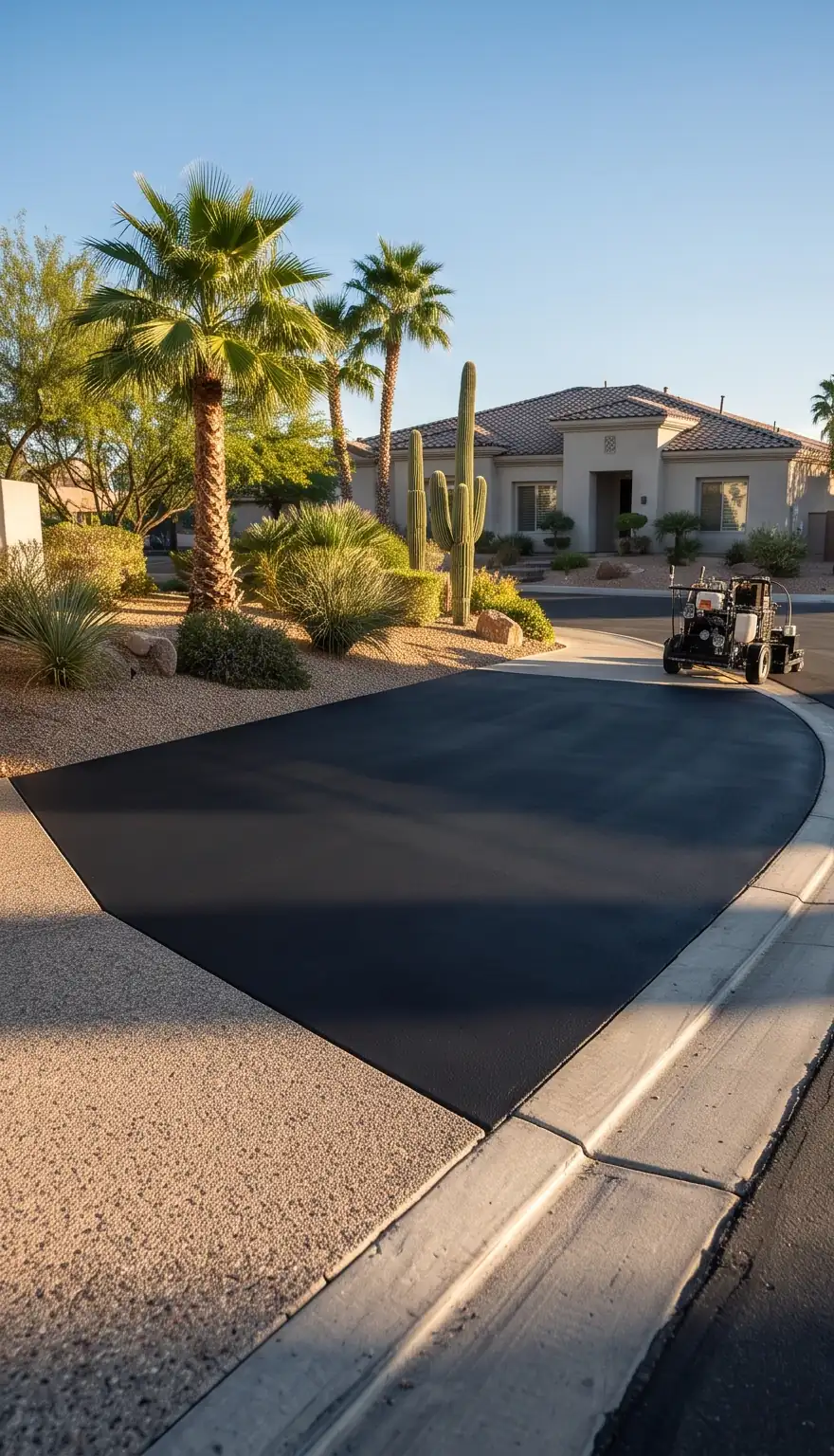
Residential driveways are usually smaller and simpler. The biggest swing factors are surface condition, cracks, and whether the edges at the street and garage need repair. A driveway that has been sealed on schedule is usually a straightforward job. One that has gone many summers without protection often needs more crack sealing and some patching first.
HOA communities combine shared lots, private streets, and sometimes clubhouse or amenity areas. Phasing around residents, notices, and striping layouts all factor in. Many boards find it helpful to break the scope into parts, like crack sealing, repairs, sealcoat, and striping, so they can see what each piece does.
Commercial properties add traffic control, phasing to stay open, heavier oil staining, and more extensive striping. High-traffic zones like drive-thru lanes and entrances may need extra attention.
What a Good Quote Looks Like
A clear quote tells you what's being done and why. It should list the area being sealed, the crack sealing approach, the repairs and where they are, the sealant type, the number of coats, any striping, and how the job will be scheduled. If a quote is just a single number with no scope, ask for details before you compare it to anything else.
Ways to Keep Costs Down
- Don't wait. Seal cracks while they're small and sealcoat before the surface badly oxidizes.
- Bundle work. Crack sealing, repairs, sealcoat, and striping in one visit is more efficient than separate trips.
- Stay on cycle. Regular sealing every 2 to 3 years keeps prep and repair needs small.
- Plan ahead. Scheduling during your preferred window avoids rushed timing.
Common Questions
Can you give me a price over the phone?
We can talk through the job and give you a sense of what's involved, but an accurate price needs a look at the surface, cracks, and repairs. The estimate is free.
Why did two companies give me very different prices?
Usually because the scopes are different: crack sealing, repairs, materials, coats, and striping. Compare scopes, not just totals.
Is commercial sealcoating priced differently than residential?
The same factors apply, but commercial jobs usually add striping, phasing, and traffic control.
Do you charge for estimates?
No. Estimates are free.
Is it cheaper to do crack sealing and sealcoat together?
Usually yes, because it's one mobilization and one closure.
Get an Accurate Number
Seal It Up! Asphalt & Sealcoating is locally owned and serves Las Vegas, Henderson, Summerlin, North Las Vegas, Boulder City, Pahrump, Paradise, and Spring Valley. We'll walk your pavement, explain every line of the scope, and give you a straight price.
Call 702-915-6591 or request a free estimate.
Get a straight answer on your pavement
Call 702‑915‑6591 or request a free estimate. We serve Las Vegas, Henderson, Summerlin, North Las Vegas, Boulder City, Pahrump, Paradise, and Spring Valley. Learn more about our sealcoating service.