For a Las Vegas business, the parking lot is usually the first part of the property a customer touches and the last thing on the maintenance budget. It sits out there every day taking sun, heat, oil drips, and traffic, and nobody thinks about it until it starts breaking apart.
Sealcoating is one of the few pavement expenses that pays you back. It's not a cosmetic splurge. It's a maintenance step that directly lowers what you spend on your lot over its lifetime. Here's where the savings actually come from.
Savings 1: You Delay the Biggest Expense
Repaving a commercial lot is one of the largest exterior costs a property faces. Everything about commercial pavement maintenance comes down to pushing that expense as far into the future as possible.
Properly installed and maintained asphalt lasts 15 to 20 years. In the desert, lots that skip maintenance fail well before that, because UV and heat dry the binder out, the surface cracks, and water undermines the base. Sealcoating every 2 to 3 years, or more often for high-traffic lots, keeps the binder protected and the surface flexible. Each year you add to the life of the pavement is a year you're not paying for a repave.
Savings 2: Fewer Repairs Between Coats
A sealed surface sheds water instead of absorbing it. That's the whole game in a climate where monsoon storms dump a lot of rain in a short burst. When water can't soak into the surface, fewer cracks form, existing sealed cracks stay closed, and the base stays dry and strong.
Fewer cracks mean fewer potholes. Fewer potholes mean fewer emergency repairs, fewer damaged tires, and fewer complaints. Over a few years, the repair budget for a sealed lot looks very different from the repair budget for an unsealed one.
Savings 3: Protection From Oil and Fuel
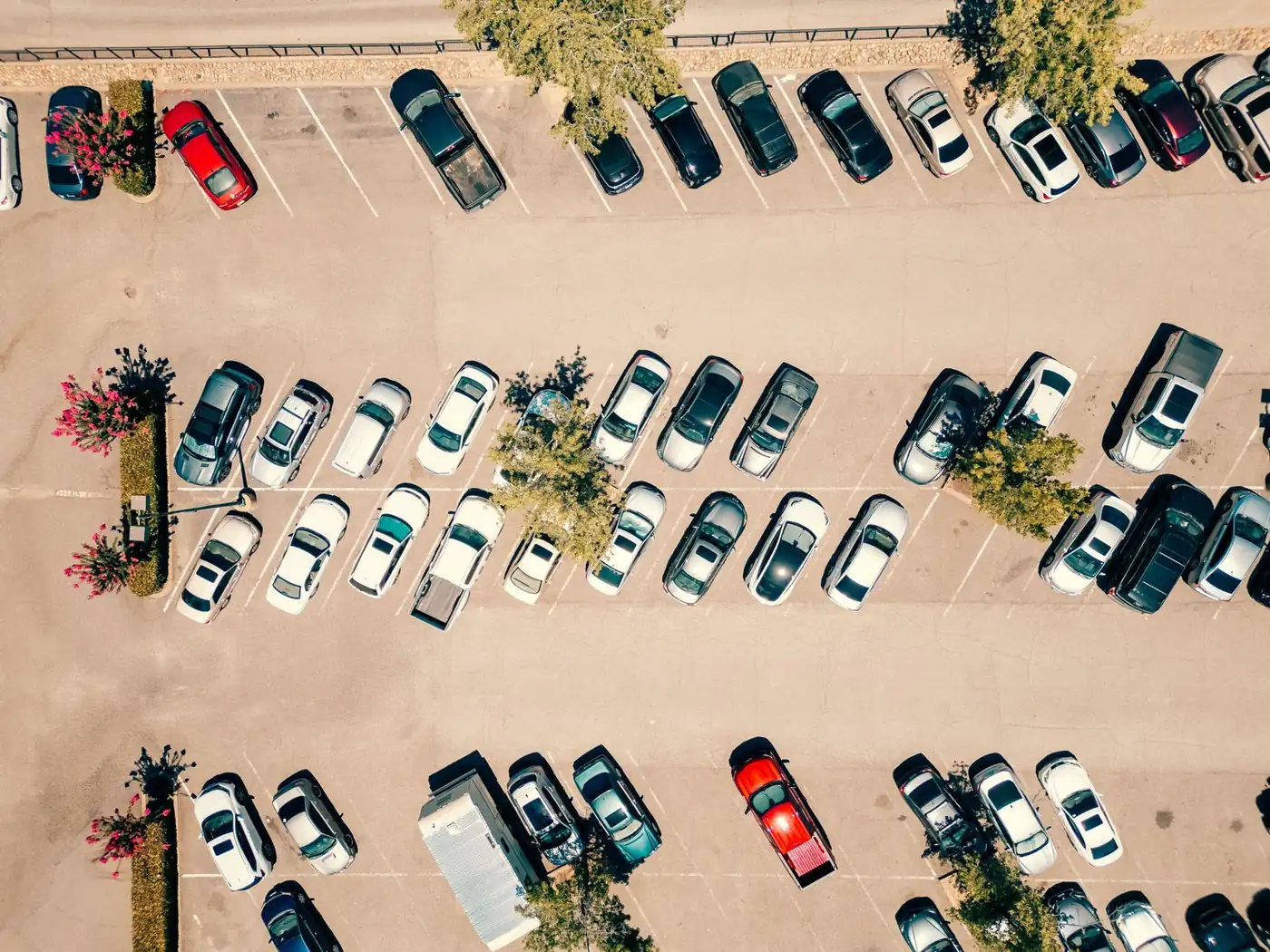
Parking lots collect oil drips, fuel spills, and fluids from every vehicle that parks there. Petroleum products soften and break down asphalt. In a busy retail lot, stall areas and drive-thru lanes take the most exposure.
A quality sealcoat creates a barrier that resists oil and gas, so spills sit on top of the coating instead of soaking into the asphalt. That protects the most heavily used parts of your lot from slow, invisible damage.
Savings 4: Lower Liability Exposure
A lot full of cracks, crumbling edges, and potholes is a lot full of trip hazards. Those hazards carry risk: injury claims, tire and vehicle damage complaints, and the cost of dealing with them.
A maintained, sealed lot with solid edges and fresh striping reduces that exposure. It's not just about avoiding repairs. It's about avoiding the costs that come after an accident.
Savings 5: Customers and Tenants Notice
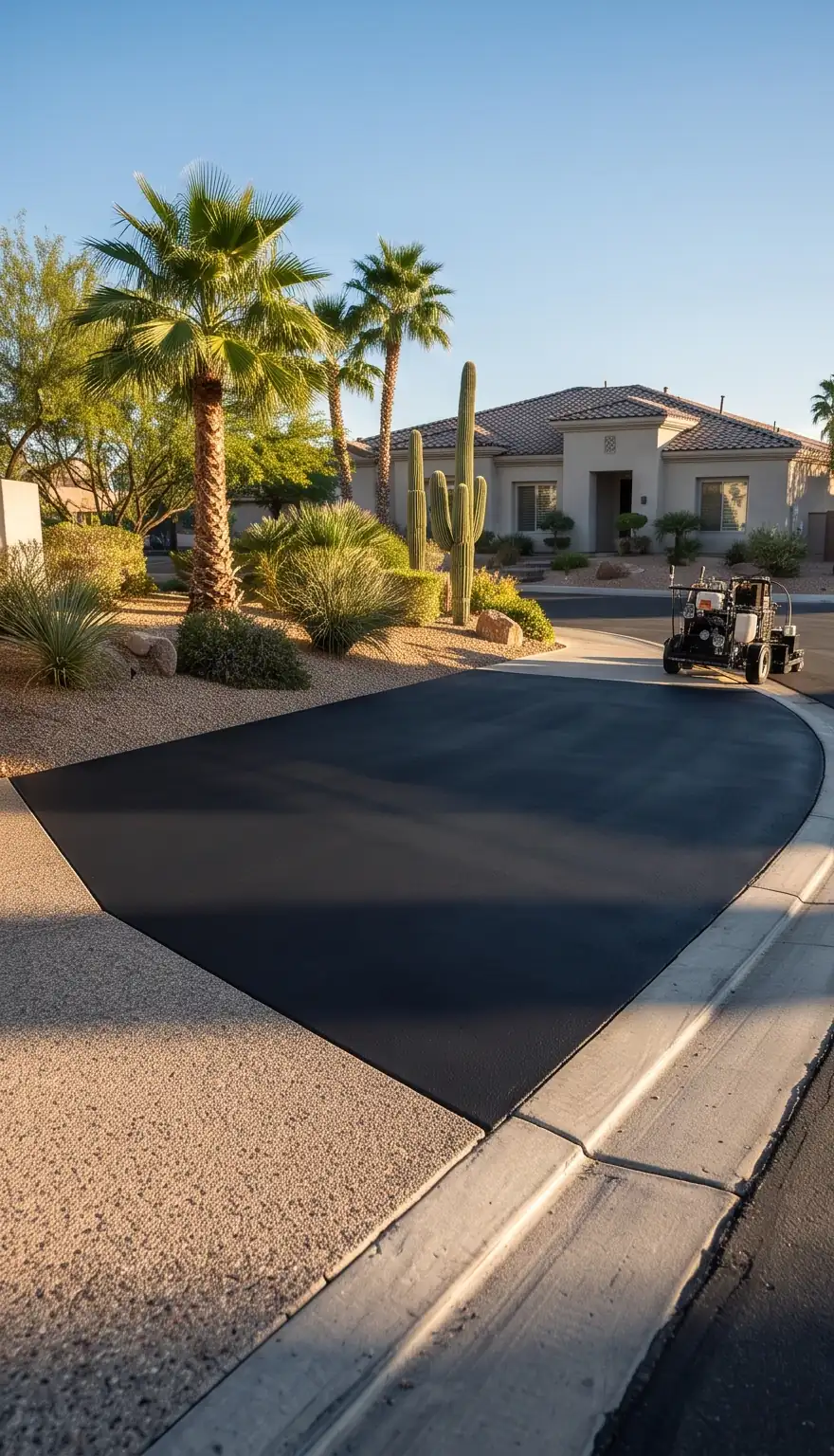
A deep black, freshly striped lot tells customers the business is cared for. A gray, cracked lot with faded lines tells them the opposite before they've walked through the door. For retail centers, restaurants, medical offices, and hotels, that first impression affects traffic. For landlords, it affects how tenants feel about renewing.
Curb appeal has a real dollar value, even if it doesn't show up on the pavement invoice. We cover this more in how sealcoating improves curb appeal.
Savings 6: Clearer, Longer-Lasting Striping
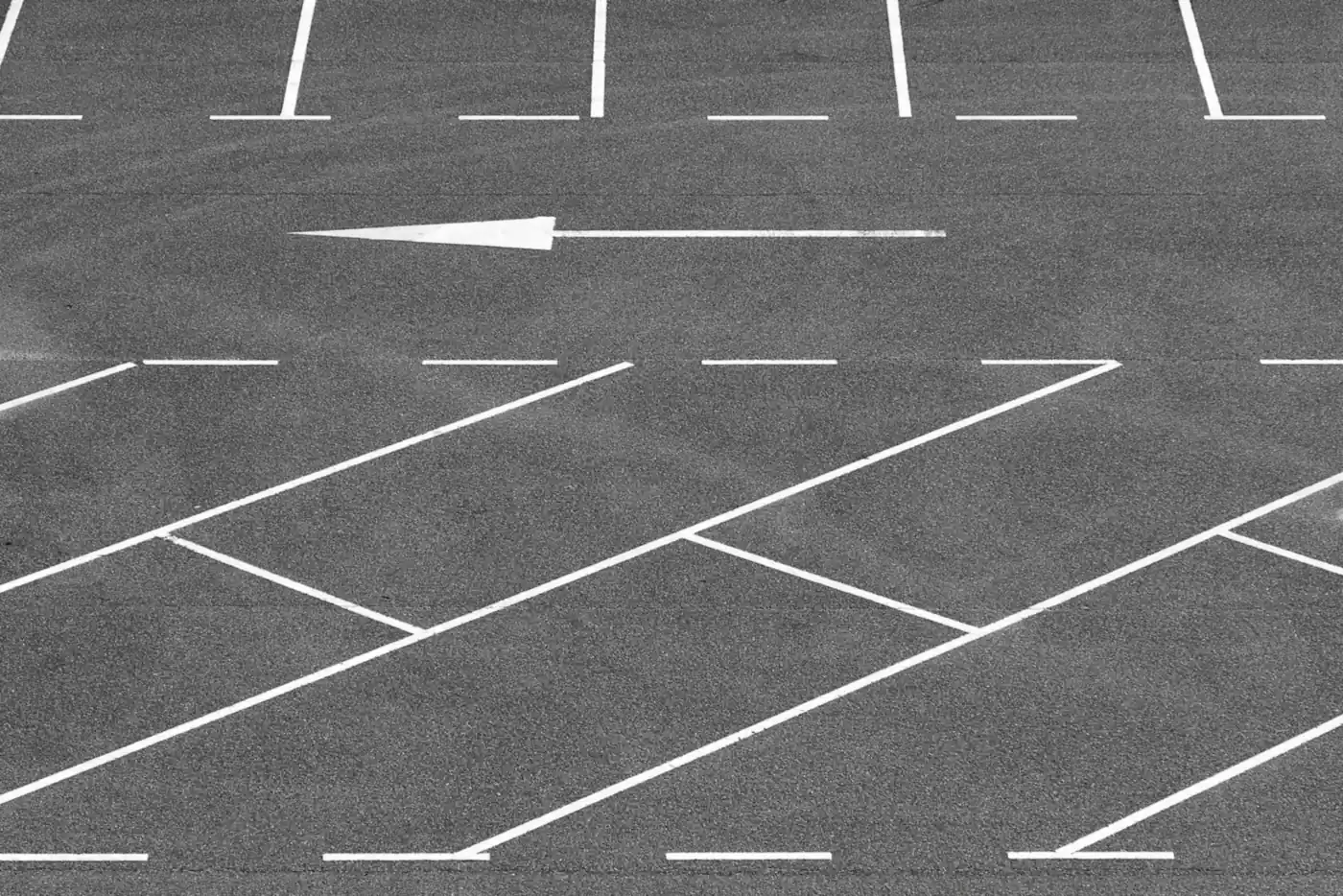
Fresh paint on faded, oxidized asphalt still looks tired, and it wears faster on a rough surface. Fresh paint on a newly sealed surface is crisp and lasts. When sealcoating and line striping happen together, you get a lot that looks new and markings that hold up through the next cycle.
Clear striping also keeps traffic flowing, maximizes usable stalls, and keeps fire lanes and accessible stalls visible, all of which matter for operations and compliance.
Why Desert-Formulated Sealant Matters for the Math
Not every sealant holds up in Las Vegas. Products formulated for milder climates often wear through quickly in our UV and heat, which means you pay for a coat that doesn't last the full cycle. That wipes out the savings.
We use specialized UV-resistant sealants and materials formulated for desert conditions. A coat that lasts its full 2 to 3 year cycle is a coat that actually delivers the savings on this list.
What Commercial Sealcoating Involves
A commercial sealcoat job typically includes:
- Walking the lot to assess cracks, failed areas, and drainage
- Cleaning the surface and treating oil spots
- Sealing cracks with hot rubberized sealant
- Patching potholes and failed areas, with base repair where needed
- Applying UV-resistant sealcoat across the lot
- Restriping stalls, arrows, fire lanes, and accessible stalls after it cures
A typical commercial lot takes about a day to seal, and larger properties can be planned in sections. Allow 24 to 48 hours before traffic returns to each section.
How to Keep Your Business Open During the Work
Downtime is the main concern for most business owners. We plan the schedule with you ahead of time. Larger lots can be sequenced so part of the lot stays open while each section is sealed and cures. Some businesses choose to schedule around slower days of the week. We'll help you find the approach that keeps customers moving.
Put It on the Calendar, Not the Wish List
The businesses that get the most out of sealcoating treat it like any other scheduled maintenance, the same way they handle HVAC service or roof inspections. A simple pavement calendar looks like this:
- Every year: walk the lot, note new cracks and any failed spots, and get cracks sealed before monsoon season.
- Every 2 to 3 years: sealcoat and restripe, tighter for drive-thru lanes and high-traffic entrances.
- As needed: repair potholes properly the first time, base included.
That rhythm turns pavement spending into a predictable line item instead of a surprise. It also means you choose the timing, so the work happens during slower periods instead of during your busiest weeks.
Common Questions From Business Owners
How often should a commercial parking lot be sealcoated in Las Vegas?
Every 2 to 3 years for most lots, and more often for high-traffic areas like drive-thru lanes, entrances, and loading zones.
Is sealcoating worth it on an older lot?
If the base is still structurally sound, yes. If large areas have failed, those need repair first. We'll show you what makes sense before you spend anything.
Can sealcoating be done in sections?
Yes. We can plan larger lots in phases so part of your property stays open.
What does sealcoating protect against that I can't see?
Mostly UV damage to the binder and water soaking into the surface. Both happen quietly long before cracks and potholes show up, which is why waiting until the damage is visible costs more.
Does sealcoating include striping?
Striping is usually the final step after the sealcoat cures, so the lot reopens finished. We'll include it in the scope if you need it.
For a deeper look at the numbers, read is sealcoating worth the cost for commercial parking lots.
Get a Straight Answer on Your Lot
Seal It Up! Asphalt & Sealcoating serves businesses, retail centers, HOAs, casinos, resorts, and industrial properties across Las Vegas, Henderson, Summerlin, North Las Vegas, Boulder City, Pahrump, Paradise, and Spring Valley. We're locally owned, we use desert-formulated materials, and we tell you exactly what your lot needs.
Call 702-915-6591 or request a free estimate to find out how much life your lot has left and how to protect it.
Get a straight answer on your pavement
Call 702‑915‑6591 or request a free estimate. We serve Las Vegas, Henderson, Summerlin, North Las Vegas, Boulder City, Pahrump, Paradise, and Spring Valley. Learn more about our sealcoating service.