Not every driveway needs to be a smooth, jet-black ribbon of hot mix asphalt. If you have a long drive on acreage in Pahrump, a private road leading to a ranch property, or a low-traffic lot on the edge of the valley, full asphalt paving can be more than the job requires, and more than the budget wants to spend.
That's where chip seal comes in. It's an alternative surface treatment that gives you a sealed, durable, all-weather surface with a natural textured look, at a cost that makes sense for long runs. Here's how it works, where it shines, and where it doesn't.
What Is Chip Seal?
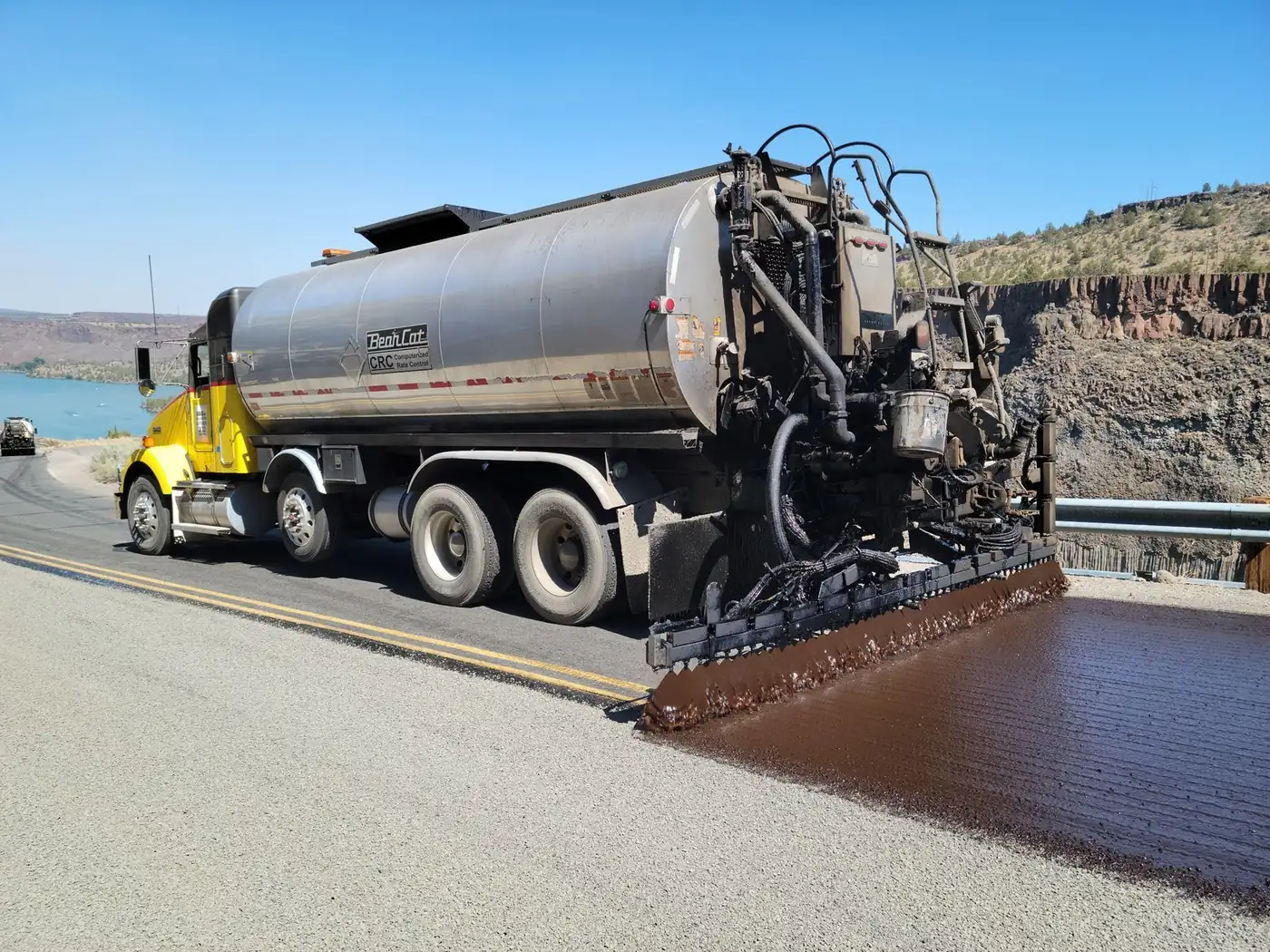
Chip seal is built in layers right on site:
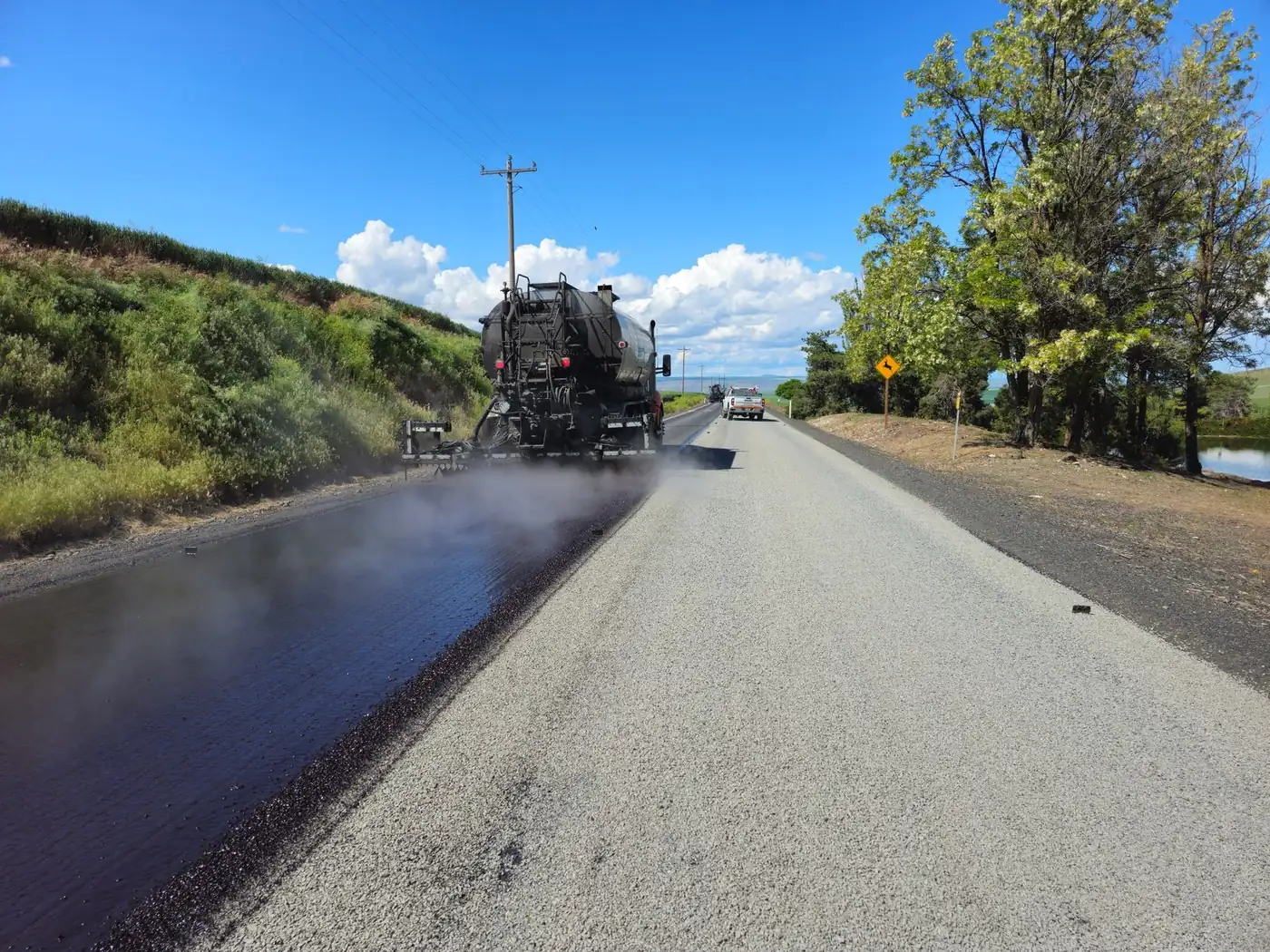
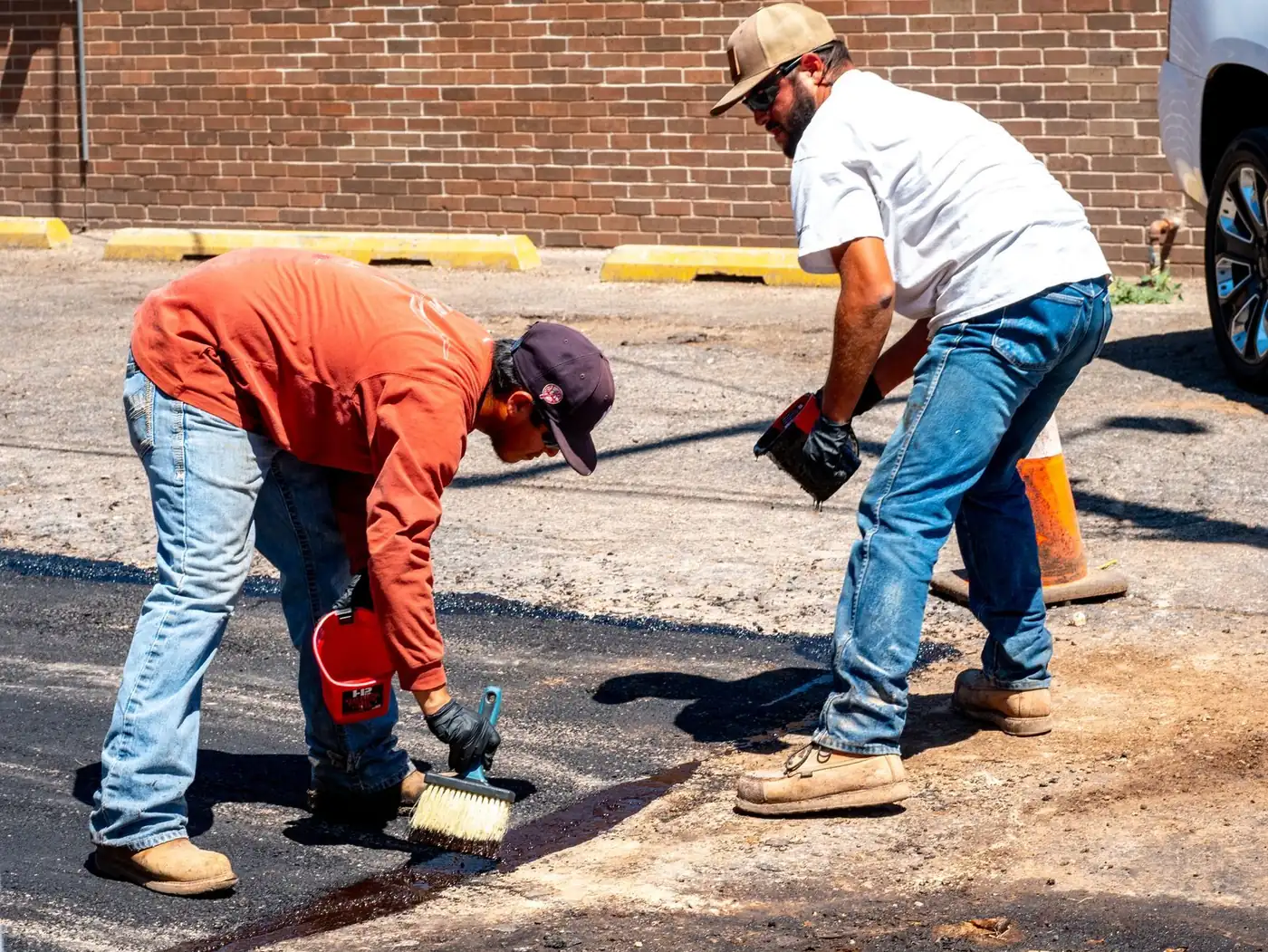
- A layer of hot liquid asphalt binder is sprayed across the prepared surface.
- Aggregate chips, small crushed stones, are spread evenly over the binder while it's still hot and sticky.
- The surface is rolled so the chips press down and embed into the binder.
- After the surface sets, loose stones are swept away.
The binder seals the surface and glues the stones in place. The stones take the wear from tires and give the surface its texture and grip. Some projects use more than one layer for added durability.
Chip Seal vs. Hot Mix Asphalt
Hot mix asphalt is a premixed blend of stone and binder that's laid hot by a paver and compacted with rollers into a smooth, dense surface. It's what most driveways and parking lots use. It's ideal for high traffic, tight turning, and areas that need clean striping.
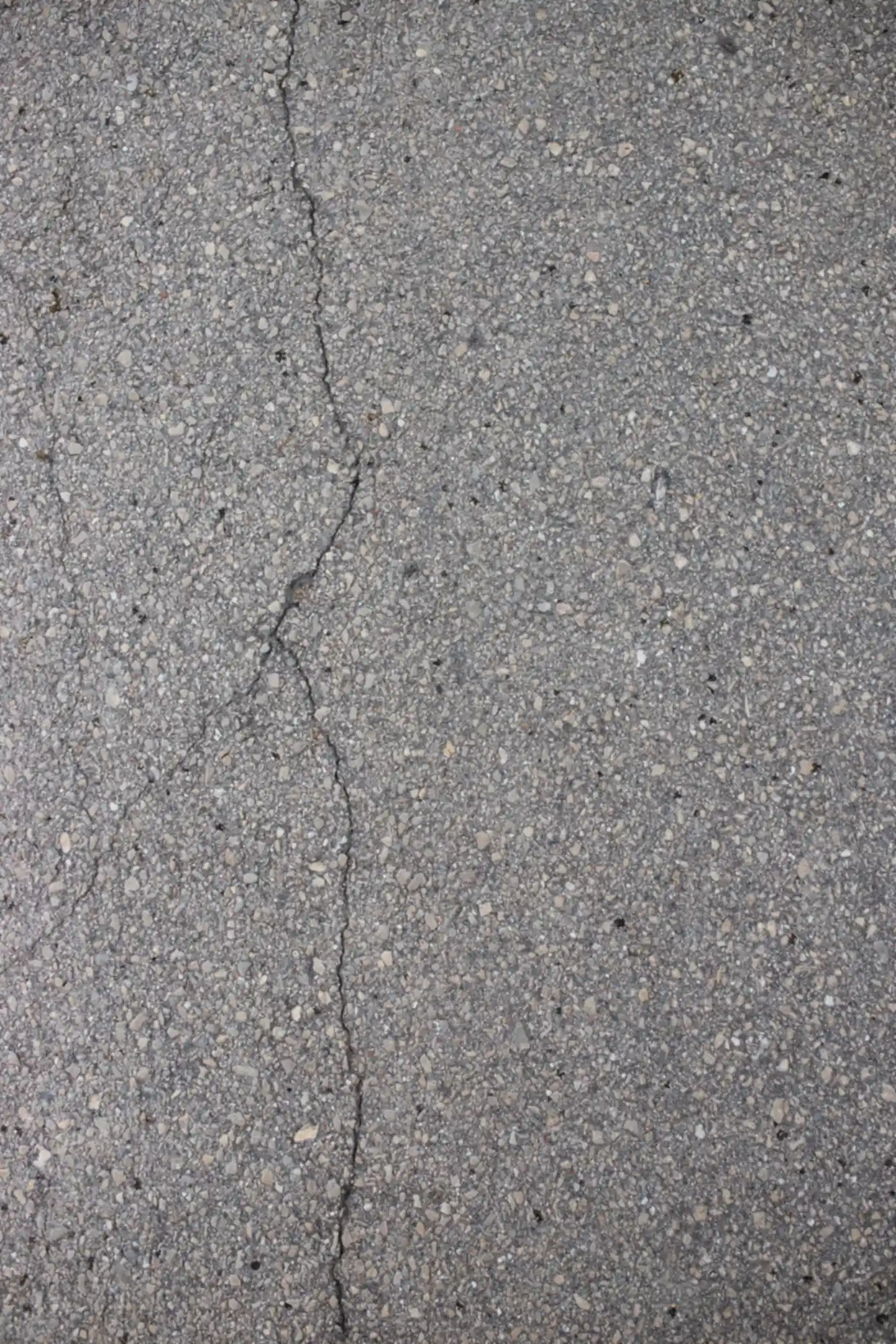
Chip seal is built on site in layers and has a rougher, stone-textured surface. It's typically more budget-friendly for long, low-traffic runs.
Neither is better in every situation. They're tools for different jobs.
Where Chip Seal Shines
- Long rural driveways. When a driveway runs a long distance, the cost of full hot mix paving adds up fast. Chip seal covers the distance at a more manageable cost.
- Private roads and access roads. Shared rural roads and ranch access routes are a natural fit.
- Converting dirt or gravel drives. Dust, washboarding, and storm ruts are a constant headache on dirt and gravel. Chip seal gives you a sealed surface that stays put.
- Renewing worn low-traffic pavement. Chip seal is also used as a surface treatment over existing, stable pavement to renew it.
- Properties with a rustic look. The stone texture fits ranch properties and desert landscaping.
Why Chip Seal Fits Pahrump So Well
Pahrump sits over the Spring Mountains from Las Vegas, about an hour west on NV-160. It's a place of larger lots, acreage, ranch properties, and long private driveways, and plenty of properties still run on dirt or gravel.
For those properties, chip seal often hits the sweet spot. It turns a dusty drive into a sealed surface without the cost of paving a long run with hot mix. It also offers good traction, which helps on gravel-prone rural roads. Learn more on our Pahrump service page.
Where Chip Seal Isn't the Best Fit
We'll always be straight about this. Chip seal is usually not the right choice for:
- Busy commercial parking lots with heavy traffic and constant tight turning, which can scuff and dislodge stones
- Lots that need crisp striping, since the textured surface doesn't hold paint lines as cleanly
- Areas where people walk a lot in thin-soled shoes, like storefront walkways
- Spaces where kids play or skate, where a smooth surface is preferable
- Properties where a smooth, uniform black finish is the goal
For those situations, asphalt paving and sealcoat are usually the better choice.
What to Expect After Installation
Right after a chip seal job, you'll see some loose stone on the surface. That's normal. Here's how to help it settle in:
- Drive slowly for the first several days so tires press the chips into the binder instead of throwing them.
- Avoid sharp turns in place, which can scuff chips loose before they're fully seated.
- Expect sweeping. Excess loose stone gets swept once the surface sets.
- Be patient. The surface firms up and sheds fewer stones as the binder cures.
How Long Does Chip Seal Last?
Lifespan depends on traffic, drainage, base condition, and maintenance. A chip seal on a well-prepared, well-drained base with light traffic can give long service. Keeping water moving off the surface, fixing damaged spots early, and planning a renewal layer when the surface starts to wear thin all help it last.
Preparation Matters
Like any pavement, chip seal is only as good as what's underneath. For a dirt or gravel drive, that means grading and shaping the surface so water runs off, then preparing and compacting the base. For an existing pavement surface, it means repairing failed areas and cleaning the surface first. Good drainage is especially important during monsoon storms.
Choosing the Stone and Look
The aggregate chips used in chip seal determine much of the look and feel of the finished surface. Stone size affects texture: smaller chips give a tighter, smoother feel, while larger chips give a more rugged surface. Stone color affects appearance, and lighter or warmer tones can blend nicely with desert landscaping and tan stucco. We'll talk through options that suit your property and the traffic it carries.
Questions to Ask Before Choosing Chip Seal
- How much traffic will the surface see, and what kind of vehicles?
- Will there be tight turns, like a turnaround at the house or near a garage?
- Does any part of the area need painted lines or markings?
- How is drainage handled during storms, and where does runoff go?
- Is there an existing surface to build on, or is it dirt or gravel today?
Your answers help decide whether chip seal, hot mix asphalt, or a mix of both is the best plan. Some properties use hot mix near the house and garage, where turning and foot traffic are heaviest, and chip seal for the long run out to the road.
Chip Seal in the Desert Climate
Desert conditions affect chip seal too. UV and heat age the binder over time, just as they do in hot mix asphalt. Monsoon water can damage edges and soft spots. But because the stones on top take most of the tire wear and much of the sun, a chip seal surface handles rural desert use well when it's built on a sound base.
Common Questions
Is chip seal cheaper than asphalt?
For long driveways and low-traffic areas, chip seal is usually the more budget-friendly choice. For busy lots, hot mix asphalt often offers better long-term value.
Can chip seal go over gravel?
The gravel surface is graded, shaped, and compacted to create a stable base first. Then the chip seal is applied.
Will chip seal damage my tires?
No. Some loose stone right after installation is normal, which is why driving slowly early on helps.
Can chip seal be sealcoated?
Chip seal is usually renewed with another chip seal layer rather than a standard sealcoat.
Do you install chip seal in Las Vegas too?
Yes. While it's especially popular in Pahrump and on rural properties, we install chip seal across our service area where it fits the job.
Find Out If Chip Seal Fits Your Property
Seal It Up! Asphalt & Sealcoating is locally owned and serves Las Vegas, Henderson, Summerlin, North Las Vegas, Boulder City, Pahrump, Paradise, and Spring Valley. We'll look at your drive, traffic, and budget and tell you honestly whether chip seal or hot mix is the better choice. See our chip seal service.
Call 702-915-6591 or request a free estimate.
Get a straight answer on your pavement
Call 702‑915‑6591 or request a free estimate. We serve Las Vegas, Henderson, Summerlin, North Las Vegas, Boulder City, Pahrump, Paradise, and Spring Valley. Learn more about our chip seal paving service.