The Annual Asphalt Upkeep Plan That Helps Property Owners Avoid Expensive Repairs
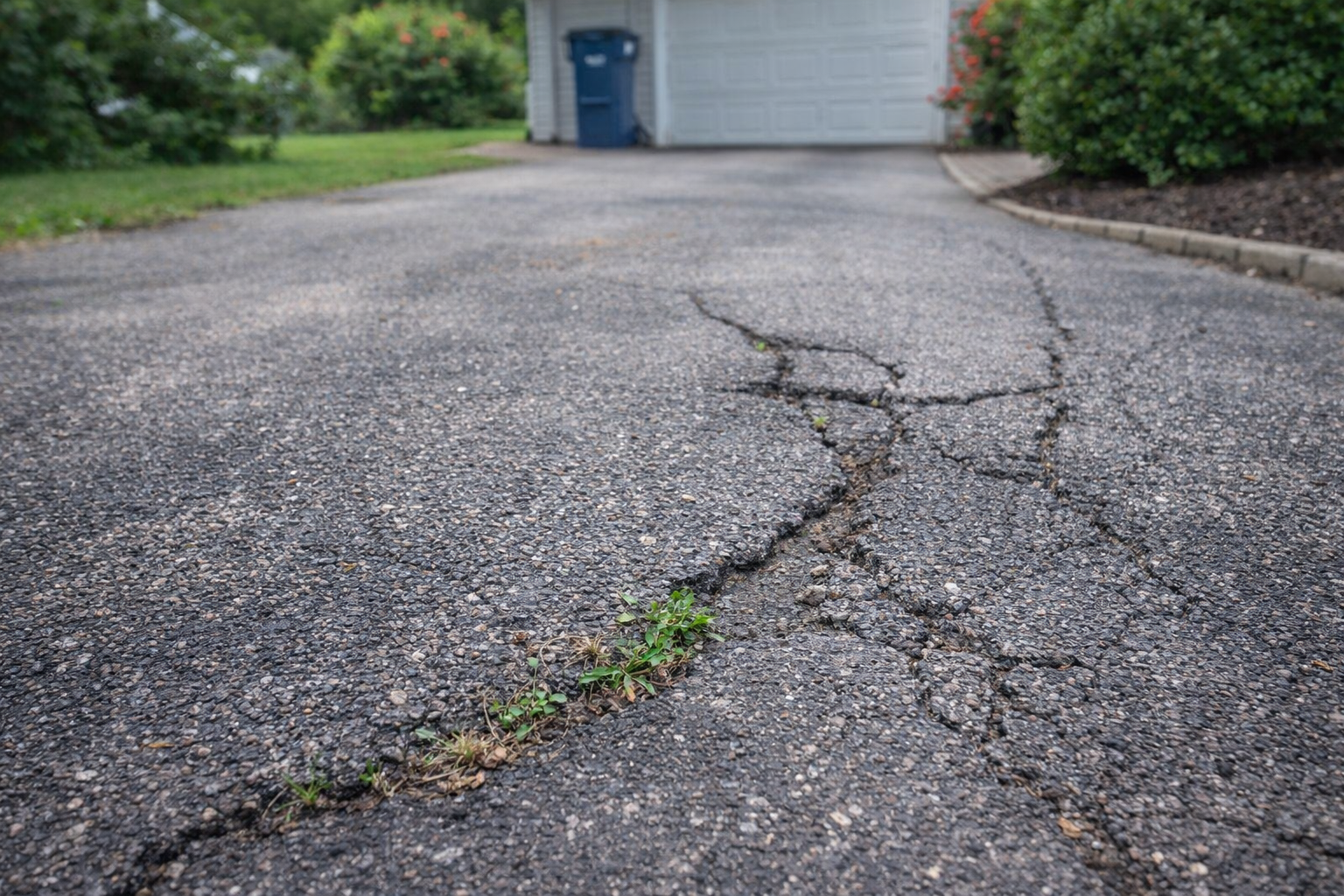
Asphalt surfaces rarely fail all at once. Most of the time, deterioration starts quietly. A few small cracks open under heat and traffic. Water finds its way into weak spots. Surface oxidation begins drying the pavement out. Oil stains, tire wear, and UV exposure gradually take their toll.
By the time a parking lot or driveway looks obviously worn, the more affordable maintenance window may already be closing.
That is why a yearly asphalt maintenance plan matters. Property owners who treat asphalt as an asset instead of a background surface usually get better appearance, longer service life, and fewer surprise repair costs. In Las Vegas, that matters even more because asphalt takes a beating from intense sun, prolonged UV exposure, and high surface temperatures. A practical annual checklist helps owners stay ahead of those conditions instead of reacting after avoidable damage has already spread.
Why Annual Asphalt Maintenance Protects More Than Just Appearance
A clean, well-maintained asphalt surface immediately improves how a property looks, but the real value of maintenance goes beyond curb appeal. Asphalt works best when its protective surface remains intact and small defects are corrected before they widen under traffic and weather. Once cracks open and the binder begins breaking down, the pavement becomes more vulnerable to deeper structural problems.
For commercial properties, neglected asphalt can also create a poor first impression for customers, tenants, and visitors. For residential owners, it can make the entire exterior feel less cared for. In both settings, maintenance supports safety, presentation, and budget control at the same time.
The smartest approach is not waiting until resurfacing or replacement becomes necessary. It is building a routine that keeps the pavement serviceable for as long as possible.
What Property Owners Should Inspect at Least Once Every Year
Every asphalt maintenance plan should begin with a full visual inspection. The goal is to identify surface changes while they are still manageable. Property owners do not need to diagnose every condition themselves, but they should know what deserves attention.
A yearly inspection should look for:
- Cracks, including narrow hairline cracking and wider separation that may let in water
- Faded gray areas that suggest oxidation and surface drying
- Low spots, pooling water, loose edges, crumbling sections, stains, and failing striping
In Las Vegas, this inspection is especially important after long stretches of extreme sun exposure because UV and heat can accelerate surface aging. Asphalt that looks merely faded can actually be losing flexibility and becoming more prone to cracking.
Crack Sealing Should Be an Annual Priority, Not an Afterthought
Cracks are one of the clearest early warnings in asphalt. Even small openings matter because they give moisture and debris a path into the pavement system. Once water enters and traffic keeps working the area, the damage typically spreads. In a desert climate, property owners sometimes underestimate water intrusion because the region is dry overall. That can be a mistake. When rain does come, pavement that already has open cracks is more vulnerable than it looks.
Annual crack sealing is one of the most cost-effective tasks on any asphalt maintenance checklist. It helps stop minor surface defects from growing into broader failures. It also supports the effectiveness of future maintenance treatments by addressing weak points before they worsen.
Waiting too long usually means a simple sealing job becomes a larger repair discussion. That is why crack sealing should be treated as a recurring protective measure, not a last-minute response.
Sealcoating Helps Las Vegas Asphalt Fight UV and Surface Breakdown
Sealcoating is one of the most valuable maintenance tools for asphalt, especially in a climate like Las Vegas where solar exposure is relentless. Over time, asphalt loses some of the oils that help it stay flexible and durable. UV exposure speeds up that breakdown, leaving the surface drier, more brittle, and more vulnerable to cracking and wear.
A properly timed sealcoat helps restore a protective layer over the pavement surface. It improves appearance, slows oxidation, and helps the asphalt stand up better to traffic and environmental stress. It is not a structural repair, and it is not a substitute for fixing major defects first, but as part of a yearly maintenance strategy, it plays an important preventive role.
Not every property needs sealcoating every single year, but every year should include an evaluation of whether the surface is due. Timing matters. Condition matters. A contractor who understands desert pavement conditions can help determine when sealcoating will provide real value rather than being applied too early or too late.
Drainage, Debris, and Edge Conditions Should Never Be Ignored
Good asphalt maintenance is not only about what happens in the middle of the pavement. Edges, drainage flow, and surface cleanliness all affect how long asphalt lasts. Debris that collects along curbs and edges can trap moisture and hide deterioration. Low areas that hold water can accelerate wear. Damaged edges can begin breaking apart faster than many owners expect, especially when traffic regularly pushes against unsupported pavement.
An annual checklist should include clearing debris, checking drainage patterns, and reviewing edge stability. This is especially important on commercial lots where traffic patterns are repetitive and heavy use tends to concentrate wear in certain zones. The longer these peripheral issues are ignored, the more likely they are to create repairs that extend beyond simple maintenance.
Striping and Markings Matter for Safety and Property Presentation
For commercial properties, annual asphalt care should also include reviewing striping, directional markings, fire lanes, and accessible space markings where applicable. Fresh, visible markings improve organization, traffic flow, and overall presentation. Faded striping can make a property look neglected even when the asphalt itself is still in decent condition.
In a bright Las Vegas environment, paint and markings can lose visibility faster under intense sun. That is why restriping should be part of the yearly checklist, especially after sealcoating or surface repairs. Property owners often focus on the pavement first and the markings second, but visitors experience both at the same time.
Who Benefits Most From a Structured Asphalt Maintenance Checklist
Any property owner with asphalt can benefit from a yearly plan, but some properties have more at stake than others. Retail centers, office buildings, HOAs, apartment communities, medical sites, churches, and industrial properties usually see consistent traffic that accelerates wear. Residential owners with large driveways or private access lanes also benefit from staying proactive rather than waiting until visible damage spreads.
The more traffic, sun exposure, and daily use a surface sees, the more important annual maintenance becomes. A checklist creates consistency. It keeps pavement from becoming a deferred problem that eventually demands a larger capital expense.
What Professional Asphalt Service Looks Like When Done Right
Professional asphalt maintenance should be practical, not vague. A good contractor evaluates the current condition of the pavement, identifies the most important maintenance priorities, and recommends work that matches the actual needs of the surface. That includes honest guidance about what can be preserved, what should be repaired now, and what may need to be budgeted for later.
For Seal It Up! in Las Vegas, that approach means understanding how desert heat and UV exposure affect asphalt over time. Reliable service is not just about applying product. It is about protecting pavement in a way that makes financial sense for the property owner. That means timely crack sealing, smart sealcoating recommendations, attention to drainage and edge conditions, and work that supports longer-term durability instead of temporary cosmetics.
Common Questions About Annual Asphalt Maintenance
Title or Question
Describe the item or answer the question so that site visitors who are interested get more information. You can emphasize this text with bullets, italics or bold, and add links.Title or Question
Describe the item or answer the question so that site visitors who are interested get more information. You can emphasize this text with bullets, italics or bold, and add links.Title or Question
Describe the item or answer the question so that site visitors who are interested get more information. You can emphasize this text with bullets, italics or bold, and add links.
Why Seal It Up! Is a Smart Choice for Las Vegas Asphalt Maintenance
Property owners need more than a generic pavement contractor. They need a team that understands how local conditions affect asphalt and how to prioritize maintenance for long-term value. In Las Vegas, that means taking desert sun, UV exposure, and heat stress seriously.
Seal It Up! brings a practical contractor mindset to asphalt maintenance with a focus on reliability, cost-efficiency, and real surface protection.
The goal is not to oversell work. It is to help property owners preserve pavement, control repair costs, and keep asphalt performing better year after year.
Keep Small Asphalt Issues From Turning Into Expensive Surface Failures
Annual maintenance is how smart property owners stay ahead of asphalt deterioration. When cracks are sealed on time, protective treatments are applied when needed, and drainage and striping are not ignored, asphalt lasts longer and performs better.
If your driveway, parking lot, or access lane is due for its yearly review, Seal It Up! can help you build a maintenance plan that fits Las Vegas conditions and protects your pavement investment before minor wear turns into a much bigger problem.